Des Moines, IA · Polk County
Burst Pipe Cleanup in Des Moines, IAFlooded Room Drying & Burst Pipe Mold Prevention
Burst Pipe Cleanup in Des Moines for homeowners covers pipe leak water removal, wet drywall removal and burst pipe mold prevention.
Answered 24/7
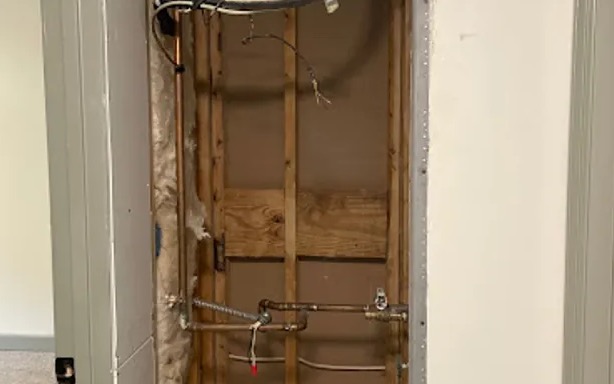
Burst Pipe Cleanup in Des Moines, Iowa
Drywall and wood that stay wet for more than a day or two can start growing mold. Fast water removal and steady drying are what stop it.
From Des Moines to Windsor Heights, Pleasant Hill and Saylorville, the same steps apply after a pipe bursts: remove the water, find hidden moisture, dry the structure and keep records for the insurer.
Burst Pipe Cleanup and Flooded Room Drying
Flooded Room Drying
Air movers push dry air across wet floors and walls, and dehumidifiers pull the moisture out of the room. Readings are taken each day until the room is dry.
Burst Pipe Mold Prevention
Getting materials dry quickly is the surest way to keep mold from starting after a burst pipe. The pros track moisture daily until every wall and floor reads dry.
Wet Drywall Removal
Drywall that has wicked up water is cut out a little above the wet line so the wall cavity can dry. Drywall wet for only a short time can often be dried in place.
Pipe Leak Water Removal
Water from a leaking pipe under a sink or behind a toilet often soaks the cabinet base and subfloor. Those areas are opened and dried, not just wiped down.
Emergency Burst Pipe Cleanup
A pipe that bursts at night or on a weekend still needs water removed fast. Help is available 24/7 for extraction and drying.
Signs of Hidden Pipe Leak Damage
Low Water Pressure
A sudden drop in pressure at several faucets can mean a broken supply line is releasing water somewhere.
Warped or Cupped Floors
Wood or laminate that cups, lifts or swells has taken on water from a leak below or beside it.
Stains on Walls or Ceilings
Brown rings or damp patches on drywall show water is moving inside the wall or ceiling from a pipe.
Sound of Running Water
Hissing or running water in a wall or ceiling when no fixture is on points to a leaking or broken pipe.
How Burst Pipe Cleanup Works in Des Moines
Step 1: Inspecting a Pipe Leak
For a slow leak, the pros find the wet area with thermal cameras and meters before opening anything.
Step 2: Pipe Leak Water Removal
Wet insulation and drywall around the leak are removed so the cavity and framing can dry.
Step 3: Drying and Dehumidification
Air movers and dehumidifiers dry the wall, subfloor and cabinets around the leak.
Step 4: Records for the Claim
Photos, readings and drying logs are kept so you and your adjuster have a clear record of the work.
What Causes Burst Pipes in Des Moines Homes
Aging and Corroded Pipes
Older galvanized and copper pipes thin out over the years. Corroded joints and fittings often fail first.
Loose or Failed Fittings
Compression fittings, push-fit connectors and poorly soldered joints are common weak points that can let go without warning.
Soil Movement Under Slabs
Shifting or settling soil around a slab foundation can crack pipes running under or through it.
Frozen Pipes
Water expands as it freezes inside a pipe and can split it. The leak starts when the pipe thaws.
Burst Pipe Cleanup for Homes and Businesses in Des Moines
Residential Burst Pipe Cleanup
In homes with finished basements, the pros remove water from the basement floor, pull wet carpet and dry the lower walls.
Commercial Burst Pipe Cleanup
Commercial basements and mechanical rooms get water pumped out first, and the equipment areas are dried before the rest of the space.
Burst Pipe Cleanup vs. DIY: When to Call Water Damage Pros
A shop vacuum picks up surface water only. Water in carpet pad, under flooring and inside walls stays behind and leads to odors, warped floors and mold.
What Affects Burst Pipe Cleanup Cost in Des Moines
Drying is priced on the equipment used and the days it runs. Most rooms need three to five days of drying after a burst pipe.
Time of the Call
Night and weekend work can cost more than a job scheduled during regular hours.
Rooms and Levels Affected
Water that reaches the floor below or several rooms needs more equipment and labor.
Clean or Dirty Water
Supply line water is simpler to handle than drain line water, which needs cleaning and disinfection.
Does Insurance Cover Burst Pipe Cleanup?
Most policies pay for the water damage but not for fixing the pipe itself. Ask your agent which parts of the cleanup and repairs your policy may include.
Why Hire Local Pros After a Pipe Bursts
Records for Your Insurer
Photos, moisture readings and drying logs help you file and support a claim.
Homes and Businesses
The same process works for a single room, a whole house, an office or a store.
Removing Only What Is Wet
Readings decide what must be cut out, so more drywall and flooring can stay in place.
Round-the-Clock Burst Pipe Cleanup in Des Moines
Move valuables to a dry room and take photos for your insurer, then call (515) 575-2930 any time for burst pipe cleanup in Des Moines.
Call Now (515) 575-2930Where Burst Pipe Cleanup Is Available Near Des Moines
From Des Moines to Windsor Heights, Pleasant Hill and Saylorville, the pros remove water, cut out wet drywall and dry homes and businesses after pipe breaks.
Your Burst Pipe Cleanup Questions Answered
How quickly should water extraction start after a pipe bursts?
As soon as the water is shut off. Water spreads into pad, drywall and subfloor within hours, and mold can start in 24 to 48 hours.
How long does drying take after a burst pipe?
Most rooms take three to five days. Hardwood floors, thick walls and water that sat a long time can take longer.
Does insurance cover burst pipe damage cleanup?
Sudden pipe bursts are often covered. Long-term leaks may not be. Your insurer decides, and records from the pros support your claim.
What is involved in burst pipe damage cleanup?
Water extraction, moisture mapping, removal of materials that cannot be dried and several days of drying with air movers and dehumidifiers.
Why does my room still smell musty after cleanup?
Moisture may still be in pad, subfloor or wall cavities. A musty smell usually means drying is not complete.