Des Moines, IA · Polk County
Water Damage Assessment in Des Moines, IADrying Equipment Plan Development & Mold Growth Risk Assessment
Water Damage Assessment for Des Moines includes water leak source detection, moisture mapping, and structural damage inspection.
Answered 24/7
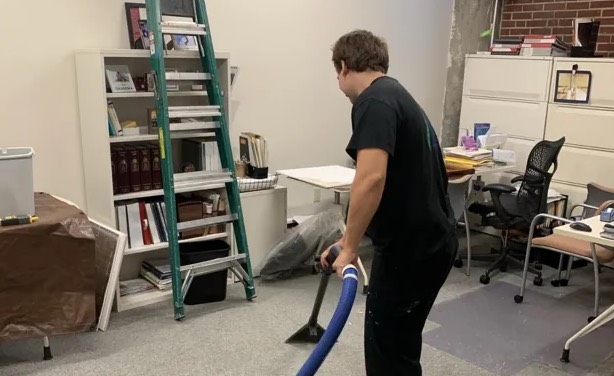
Local Water Damage Assessment for Des Moines Properties
In Des Moines, a water damage assessment shows how far a leak or flood spread and what needs repair, which helps avoid surprises later. Local damage assessment specialists check the structure and map the moisture.
In Des Moines, a water damage evaluation maps moisture, checks the structure and lists damaged contents. The specialists also serve places such as Windsor Heights, Pleasant Hill and Saylorville.
Complete Water Damage Assessment Process for Des Moines
Drying Equipment Plan Development
Every scenario requires a unique drying approach. The specialists develop a placement plan for equipment to create optimal airflow and humidity control.
Mold Growth Risk Assessment
An assessment isn't complete without considering secondary damage. The specialists analyze temperature, ventilation, and the duration of wetness to gauge the likelihood of mold.
Water Leak Source Detection
Water travels far from its entry point. The specialists map the moisture path through materials to locate hidden saturation in ceilings and walls.
Water Damage Report
A clear record of the event is needed. The water damage documentation report from the specialists details all findings with photos and sensor data.
Structural Damage Inspection
The strength of a property's framework must be verified. The specialists look for water stains, softened areas, and unusual odors that indicate deeper structural issues.
Indicators of Hidden Water Damage in Des Moines
Discolored Walls or Ceilings
Water stains or yellowish patches on walls and ceilings often indicate slow leaks or past flooding that need a professional water damage inspection.
Visible Mold Patches
Spots of mold on surfaces are a clear sign of excess moisture and demand a thorough mold inspection after water damage.
Musty or Moldy Odors
A persistent damp, earthy smell can signal hidden moisture and potential mold growth risk, requiring immediate investigation by the pros.
Unexplained Increases in Water Bills
A sudden spike in your water bill with no change in usage is a strong indicator of a hidden leak.
How Water Damage Assessment Works in Des Moines
Step 1: On-Site Visual Damage Survey
The specialists begin with a walkthrough to document all visible signs of flooding, staining, and material damage, forming the basis of the home water damage evaluation.
Step 2: Advanced Leak Source Detection
Using specialized tools, the pros pinpoint the exact origin of the water intrusion, whether it's a plumbing leak, roof failure, or other source.
Step 3: Structural Integrity and Content Assessment
A structural damage inspection checks walls, floors, and ceilings for compromise. A simultaneous content and belongings evaluation identifies items that can be saved or restored.
Step 4: Restoration Roadmap Development
From the readings, the specialists plan the drying equipment, what has to be removed and how long the work should take.
Why Des Moines Properties Experience Water Damage
Plumbing Leaks and Burst Pipes
Failed pipe joints, corrosion or freezing can cause sudden floods or slow hidden leaks.
Severe Weather and Flooding
Heavy rain and flash floods can overwhelm drainage and push water into a building quickly.
Human Error and Accidental Overflows
Overflowing bathtubs, sinks, or toilets are common household incidents that can quickly cause significant water damage if not addressed.
HVAC System Condensation Issues
Clogged drain lines or malfunctioning condensate pumps in air conditioners can cause water to back up and damage ceilings and walls.
Residential and Commercial Water Damage Assessment in Des Moines
Residential Water Damage Assessment
In homes, the pros perform a detailed content and belongings evaluation, identifying salvageable items versus those too damaged. They assess risks like mold in wall cavities and provide a clear restoration scope and estimate outline for homeowners.
Commercial Water Damage Assessment
A commercial assessment by the specialists includes checking for compliance and safety issues, like electrical system exposure or slip hazards.
Calling Damage Assessment Specialists vs. Self-Inspection for Water Damage
If a small leak has an obvious source, such as a pipe under the sink, shut off the valve and wipe up the water. If the source is unclear or water has spread, have the area checked for hidden moisture.
Water Damage Assessment Cost in Des Moines, IA
In Des Moines, cost depends on how much searching for hidden water is needed, the size of the area and the materials involved.
Inspection Depth Required
Finding hidden water behind walls or under floors takes more tools and time.
Mold Inspection Necessity
A concurrent mold growth risk assessment after water damage adds another layer of analysis to the overall service.
Extent of Water Intrusion
The size of the leak and the number of rooms affected set how long the inspection takes.
Does Insurance Cover Water Damage Assessment?
Insurance coverage for water damage assessment in Des Moines depends entirely on your policy's cause-of-loss provisions. The experts document all damage with photos and moisture readings for your claim submission.
Why Choose Local Specialists for Water Damage Assessment in Des Moines
Belongings Assessment
Personal contents and belongings are evaluated for water damage as part of the overall property assessment process.
Category and Class Analysis
Water is classified by category and evaporation class to determine the appropriate drying strategy and restoration response.
Structural Integrity Evaluation
The inspection checks building materials for structural damage before any repairs are planned.
Urgent Water Damage Assessment for Des Moines Property Emergencies
If you discover a leak, call (515) 575-2930 for emergency water damage assessment. Early action allows the specialists to start evaluating structural impact and moisture levels.
Call Now (515) 575-2930Des Moines and Region Water Damage Assessment Availability
Flood damage assessments with photos, readings and a written scope are available in Des Moines and neighboring Windsor Heights, Pleasant Hill and Saylorville.
Common Water Damage Assessment Questions Answered
What is the difference between water damage inspection and restoration?
Inspection is the diagnostic phase that assesses and documents the damage. Restoration is the physical work of drying, cleaning, and repairing based on that assessment.
Is mold inspection after water damage always necessary?
While not always immediately visible, assessing mold risk is a prudent part of the process, as mold can begin growing within 24-48 hours in damp conditions.
What happens during content and belongings evaluation?
Personal items and furniture are inspected for water damage, documented, and recommendations are made for cleaning, restoration, or disposal based on the level of saturation.
How long does a water damage inspection take?
The duration depends on the property size and damage extent. A thorough evaluation with moisture meter readings and documentation typically takes several hours.
How is structural damage from water evaluated?
Structural damage inspection involves checking building materials like drywall, wood, and subfloors for swelling, warping, and loss of integrity using visual and moisture probes.