Des Moines, IA · Polk County
Water-Damaged Flooring Removal in Des Moines, IAHardwood Floor Water Damage & Vinyl Floor Water Damage
Water-Damaged Flooring Removal in Des Moines addresses laminate flooring removal, tile floor water cleanup and subfloor drying services.
Answered 24/7
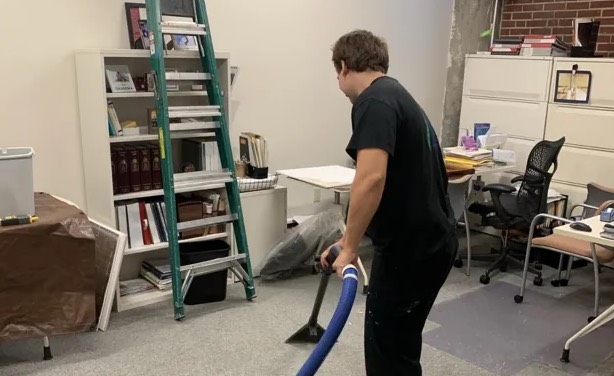
Your Local Water Extraction Pros for Water-Damaged Flooring Removal in Des Moines
Removing water-damaged flooring in homes throughout Des Moines, prevents structural decay under the surface. Without it, water keeps soaking into subfloors and causes warping and buckling.
In Des Moines, flooring replacement is common when materials cannot be saved. Pros decide whether carpet or wood can be dried or must be removed and dry the base before any rebuild.
Water-Damaged Flooring Removal for Properties in Des Moines
Hardwood Floor Water Damage
Pros check for water between and under boards, since controlled drying can sometimes save the floor.
Vinyl Floor Water Damage
Curling or bubbling vinyl means water is underneath, so pros remove sections to check the subfloor.
Tile Floor Water Cleanup
Grout holds moisture against the subfloor, so pros in Des Moines test it and dry or repair the base layer.
Subfloor Drying Services
Pros set up a drying area and check moisture daily until the subfloor reaches a dry standard.
Emergency Floor Water Extraction
Truck-mounted or portable extractors remove standing water fast, which can reduce how much flooring must go.
When to Consider Water-Damaged Flooring Removal for Your Floors
Warping or Cupping Hardwood
Wood planks that curl at the edges or buckle in the middle have water trapped underneath them.
Vinyl Flooring Seam Separation
Seams pulling apart in vinyl plank or sheet flooring show moisture has weakened it.
Visible Mold on Baseboards
Dark spots on baseboards or along wall edges point to water problems at floor level.
Cracked or Peeling Floor Finish
Finish flaking off hardwood or vinyl suggests water has broken down the protective coating.
How Water-Damaged Flooring Removal Works in Des Moines
Step 1: Initial Assessment and Plan
Pros check the flooring type, water source and damage to plan removal and drying.
Step 2: Floor Water Extraction
Powerful vacuums extract standing water from surfaces and the layers beneath them.
Step 3: Damaged Flooring Demolition
Cupped hardwood, loose tile and other ruined materials are removed from the site.
Step 4: Achieve Dryness Standards
Drying continues until the subfloor and nearby materials meet accepted dry standards.
Common Causes of Water Damage in Des Moines
HVAC Condensate Drain Clogs
A clogged AC drain line can overflow and drip onto floors for weeks unnoticed.
Plumbing Fixture Failures
Leaky supply lines under sinks, toilet overflows or failed valves soak nearby flooring.
Fire Suppression System Activation
An accidental sprinkler discharge releases a large amount of water onto floors quickly.
Sump Pump Failure in Basements
A failed or overwhelmed sump pump lets basement water rise and soak flooring.
Water-Damaged Flooring Removal for All Properties in Des Moines
Residential Water-Damaged Flooring Removal
Homeowners need soaked carpet and pad removed and moisture under tile or vinyl checked to protect the home's value.
Commercial Water-Damaged Flooring Removal
Hotel corridors and leased offices often need laminate removed, with pros coordinating access and timing with the property managers.
Water-Damaged Flooring Removal vs. DIY: When to Call Local Pros
After a clean water toilet overflow, mop the tile with a disinfectant cleaner once the toilet is fixed. If water got under the toilet base or into nearby rooms, have the floor checked for moisture.
Understanding Water-Damaged Flooring Removal Cost in Des Moines
Subfloor drying, antimicrobial treatment and a final moisture check all add to the overall project scope and cost.
Post-Removal Services
Final moisture checks and site preparation for new flooring add to the total.
Subfloor Condition
A wet subfloor needs its own drying, which adds days and equipment to the job.
Water Damage Severity
Heavily soaked materials or long-running leaks take more intensive extraction work and time.
Does Insurance Cover Water-Damaged Flooring Removal?
For tile or carpet damage, your insurer decides coverage from your policy's water damage terms. Pros supply the evidence for the claim.
Advantages of Local Pros for Water-Damaged Flooring Removal
IICRC-Standard Drying Methods
Drying follows accepted industry methods so subfloors and nearby materials are fully dried.
Clear Communication
Each step of removal and drying is explained clearly, with nothing hidden from you.
Subfloor Preservation Focus
Drying the subfloor is a priority, which often avoids replacing the structure itself.
Emergency Water-Damaged Flooring Removal Response in Des Moines, IA
Emergency floor water extraction is available around the clock at (515) 575-2930. Acting quickly limits how far water spreads and how much flooring must come out.
Call Now (515) 575-2930Water-Damaged Flooring Removal Near Des Moines: Areas Served
Vinyl and laminate flooring removal is available in Des Moines and nearby places such as Windsor Heights, Pleasant Hill and Saylorville.
FAQ for Water-Damaged Flooring Removal Services
What is the priority during emergency flooring removal?
Stopping the water, extracting it and removing ruined materials so the structure can dry.
Why is a floor moisture inspection critical?
Meters find hidden moisture that can warp materials or cause odors after the flooring is removed.
Is laminate flooring removal always necessary after water exposure?
Usually, since laminate swells and delaminates when wet and cannot be dried well, so removal comes first.
Is wet carpet removal a DIY job?
It is not recommended, since removal can spread contamination and miss hidden moisture underneath.
What is involved in water-damaged flooring removal?
Emergency water extraction, careful removal of ruined flooring and a thorough moisture check of the floor.