Des Moines, IA · Polk County
Rainwater Intrusion Cleanup in Des Moines, IAMoisture Inspection Services & Emergency Water Removal
Rainwater Intrusion Cleanup in Des Moines addresses rainwater damage cleanup, emergency water removal, and structural drying services.
Answered 24/7
Reliable Rainwater Intrusion Cleanup Serving Des Moines
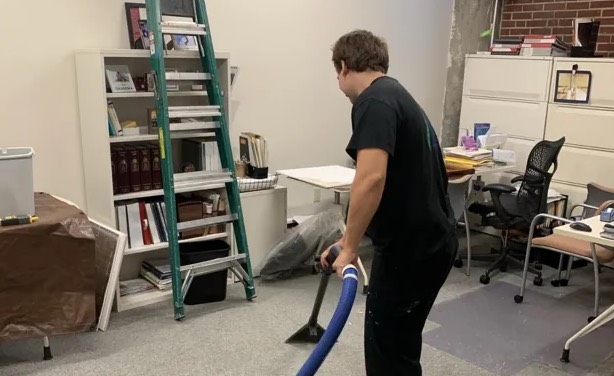
Commercial spaces in Des Moines require thorough commercial water extraction to resume operations after rainwater intrusion. Delays can lead to business interruption and extensive content loss, emphasizing the need for professional service.
Rainwater intrusion cleanup in Des Moines addresses leaks in attics, walls, and floors. Mold remediation pros perform moisture inspection and antimicrobial applications. This prevents microbial growth in damp cavities.
Specialized Rainwater Intrusion Cleanup for Des Moines Properties
Moisture Inspection Services
Moisture inspection services find hidden dampness behind walls or under floors. Professionals use thermal imaging and moisture meters to map the full extent, informing a targeted drying plan.
Emergency Water Removal
Emergency water removal addresses sudden flooding from storms or plumbing failures. Available around the clock, it uses pumps and extractors to remove large volumes quickly. A fast start limits how far damage spreads.
Wall Water Damage Repair
This service reconstructs walls after water intrusion and successful drying. Professionals clear ruined sections, ensure the underlying structure is sound, then install new drywall to close restoration.
Rainwater Damage Cleanup
Rainwater damage cleanup involves removing standing water from floors and lower walls with powerful extractors. Halting the water's spread is the first priority, as it prevents deeper saturation into subfloors and drywall.
Structural Drying Services
These services ensure moisture is removed from a property's core structural components. The experts use advanced drying technology to create airflow and reduce humidity in confined spaces. This phase protects load-bearing elements from water-related deterioration.
How to Know You Need Rainwater Intrusion Cleanup in Des Moines
Gurgling Sounds in Drains
Unusual noises from drains during a rainstorm can signal a compromised drainage system allowing water backflow into the property.
Efflorescence on Foundation Walls
White, chalky mineral deposits on concrete or masonry indicate water is moving through the material, a precursor to damage.
Damp or Warping Walls
Soft, damp, or visibly buckling walls and baseboards signal ongoing water damage that requires wall water damage repair.
Sagging or Stained Ceilings
A ceiling that sags or has large, dark stains is a critical sign of a serious leak requiring ceiling leak cleanup.
How Rainwater Intrusion Cleanup Works in Des Moines
Step 1: Emergency Water Removal
The experts start by removing all standing water using submersible pumps and truck-mounted extractors, a critical first step in water damage restoration.
Step 2: Comprehensive Moisture Inspection
Using infrared cameras and moisture meters, the experts in Des Moines map the full extent of hidden dampness in walls, floors, and ceilings.
Step 3: Structural Drying Process
Industrial air movers and dehumidifiers are strategically placed to create optimal drying conditions, drawing moisture from building materials back into the air.
Step 4: Final Verification and Documentation
Once drying goals are met, final moisture readings are taken and documented, providing a record for you and your insurance provider.
What Leads to Rainwater Intrusion Cleanup Needs in Des Moines
Cracked or Settled Foundation
Hairline cracks in the foundation allow groundwater to seep into basements and crawlspaces, often requiring flooded basement drying services.
Damaged or Old Roof Underlayment
The waterproof barrier beneath shingles can deteriorate, allowing water to penetrate the roof deck even if shingles appear intact.
Improper Landscape Grading
Soil that slopes toward the foundation directs rainwater to pool against walls, increasing hydrostatic pressure and the risk of intrusion.
Clogged or Damaged Gutters
Gutters overwhelmed by debris overflow, directing rainwater directly against your home's siding and foundation, leading to water intrusion repair needs.
Complete Rainwater Intrusion Cleanup for All Properties in Des Moines
Residential Rainwater Intrusion Cleanup
When rainwater enters a residence, prompt wet carpet extraction and wall drying are critical. The pros help homeowners navigate the aftermath by providing thorough documentation to support an insurance claim.
Commercial Rainwater Intrusion Cleanup
Water intrusion in a commercial setting can affect multiple tenants and complex building systems. Mold remediation pros and water extraction experts coordinate to dry the property efficiently, focusing on air quality and business continuity.
Handling Water Damage: DIY or Water Extraction Experts in Des Moines?
Document damage for insurance by taking clear photos of all affected areas. For detailed moisture mapping that insurers require, the pros use hygrometers and thermal cameras.
Rainwater Intrusion Cleanup Cost in Des Moines, IA
For rainwater intrusion cleanup cost in Des Moines, the severity of saturation in walls and subfloors is a primary driver. The timeline for complete structural drying services also influences the final amount.
Affected Materials and Finishes
Restoring hardwood floors or custom cabinetry after wall water damage repair typically costs more than drying concrete subfloors.
Category of Water
Clean rainwater from a roof leak involves different cleanup protocols and cost considerations than contaminated water from a sewer backup.
Emergency Service Timing
Initiating emergency water removal during nights, weekends, or holidays may involve different service rates than a standard business hours call.
Does Insurance Cover Rainwater Intrusion Cleanup?
Insurance for water intrusion repair depends on a policy's terms. The experts document damage with photos and readings for a homeowner's claim. The insurer makes the final coverage decision.
Benefits of Local Experts for Rainwater Intrusion Cleanup in Des Moines
Focused Mold Prevention
Rapid drying and application of EPA-registered antimicrobial agents help inhibit mold growth after a water damage event in your home.
Content Restoration Focus
The process includes careful handling and drying of personal belongings and furniture whenever possible during the water removal project.
Comprehensive Water Extraction
Powerful truck-mounted or portable extractors remove standing water quickly, which is the first critical step in limiting secondary damage.
Around-the-Clock Emergency Rainwater Intrusion Cleanup in Des Moines, IA
Water intrusion in Des Moines does not wait for business hours. Delaying cleanup can lead to costly repairs from warped floors. Contact local pros any time at (515) 575-2930.
Call Now (515) 575-2930Providing Rainwater Intrusion Cleanup to Communities Near Des Moines
Serving the Des Moines community and nearby towns like Windsor Heights, Pleasant Hill and Saylorville, the pros specialize in reversing the effects of rainwater intrusion. Their work includes moisture inspection services, emergency extraction, and mold prevention measures.
Your Rainwater Intrusion Cleanup Questions Addressed
Why is emergency water removal considered a critical first step?
Removing standing water quickly stops further absorption into materials and reduces drying time. This initial step limits the scope of damage and the potential for mold growth.
Why is documenting water damage important for homeowners?
Detailed documentation with photos and moisture readings records the damage and the mitigation steps. This information is often needed when a homeowner files an insurance claim.
What is the process for ceiling leak cleanup?
Cleanup involves stopping the water source, extracting standing water in the attic, and setting up drying equipment. Damaged drywall or insulation may need removal to allow for proper structural drying.
What happens during a flooded basement drying project?
The project begins with pumping out standing water, followed by extracting water from carpets and removing wet belongings. Industrial dehumidifiers and air movers are then deployed to dry the foundation walls, slab, and any framing.
Can wet carpet be saved after rainwater intrusion?
Often, yes, if extraction and drying begin quickly. Pros use wet carpet extraction tools, then lift the carpet to dry the pad and subfloor. This prevents mold and odors.