
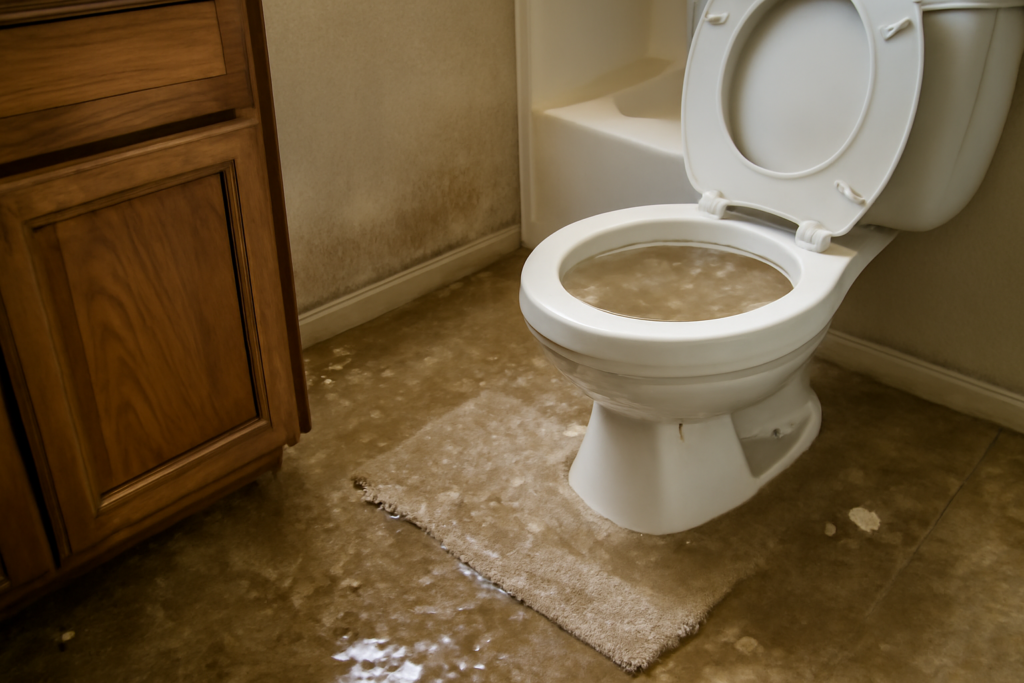
Toilet Overflow Water Removal in Boone, IA
Trusted by 10,000+ Homeowners Across the USA
Toilet Overflow Water Removal in Boone, IA: How to Prevent and Fix This Common Problem
Boone, IA, is known for its cold winters, and with that comes the risk of frozen pipes and toilet overflows. When temperatures drop, your toilet's water supply lines can freeze, causing the water to expand and put pressure on the pipes. This can lead to a toilet overflow, leaving you with a messy and potentially expensive problem on your hands. But don't worry, with the right knowledge and a quick response, you can prevent this disaster from happening in the first place.
That's why homeowners in this area trust our team for their toilet overflow water removal needs. With over 165+ five-star reviews, we've proven time and time again that we're the go-to experts for this type of service.
- Quick response times to reduce damage and prevent further complications.
- Advanced equipment to efficiently remove water and dry out your property.
- Expert technicians trained to handle even the toughest toilet overflow situations.
How Our Toilet Overflow Water Removal Service Actually Works
When you call us for toilet overflow water removal, our team springs into action. We know that every minute counts in this situation, which is why we have a thorough process in place to ensure that your property is restored to its original state as quickly and efficiently as possible.
Step 1: Emergency Response
Our technicians arrive at your property within 60 minutes, equipped with the necessary tools and equipment to assess the situation and begin the restoration process. They'll start by containing the affected area to prevent further damage and then set up a system to extract the standing water.
Step 2: Water Extraction
Using industrial-strength pumps and wet vacuums, our technicians will extract as much water as possible from your property. This is a crucial step in preventing further damage and reducing the risk of mold and bacterial growth.
Step 3: Drying and Dehumidification
Once the water has been extracted, our team will use specialized equipment to dry out your property, including dehumidifiers and air movers. This step is essential in preventing mold and bacterial growth and ensuring that your property is completely dry and safe.
Step 4: Cleaning and Sanitizing
With the water removed and your property dry, our technicians will begin the cleaning and sanitizing process. This includes scrubbing and disinfecting all affected areas, including walls, floors, and surfaces.
Step 5: Final Inspection and Touch-ups
After the cleaning and sanitizing process is complete, our team will conduct a final inspection to ensure that your property is completely restored to its original state. Any necessary touch-ups or repairs will be made at this time.
Don't wait until it's too late - act quickly to prevent further damage and costly repairs. Call us today to schedule your toilet overflow water removal service!

Warning Signs You Need Toilet Overflow Water Removal
With toilet overflows, early detection is key. Catching these warning signs early can save you time, money, and a whole lot of stress.
Musty Odors That Won't Go Away
So, you've noticed a persistent, musty smell coming from your toilet or bathroom area. This could be a sign of a slow leak or overflowing water supply line, which can lead to mold and bacterial growth.
Water Stains and Discoloration
Have you noticed water stains or discoloration on your ceilings, walls, or floors? This could be a sign of a hidden leak or overflow, which can cause significant damage if left unchecked.
Warped or Buckled Flooring
Is your flooring warped or buckled in certain areas? This could be a sign of water damage or an underlying structural issue that needs to be addressed.
Increased Water Bills
Have you noticed an unexpected spike in your water bills? This could be a sign of a hidden leak or overflow, which can waste a significant amount of water and drive up your utility costs.
Visible Water Damage
Is there visible water damage or flooding in your bathroom or surrounding areas? This is a clear sign that you need to call in a professional for toilet overflow water removal.
Toilet Overflow Water Removal vs. DIY: When to Call a Professional
| Situation | DIY? | Call a Pro? | Why |
|---|---|---|---|
| Small, contained leak or overflow | Yes | No | You can likely fix this yourself with some basic plumbing knowledge and tools. |
| Large-scale water damage or flooding | No | Yes | This will need specialized equipment and expertise to safely extract water and restore your property. |
| Hidden or slow leaks | No | Yes | These can be difficult to detect and need specialized equipment to locate and repair. |
| Water damage or flooding in a sensitive area (e.g., electrical room, laundry room) | No | Yes | This needs specialized knowledge and equipment to safely restore your property and prevent further damage. |
| You're unsure about the extent of the damage or how to proceed | No | Yes | Our team has the expertise and experience to assess the situation and develop a plan to restore your property quickly and safely. |
With toilet overflow water removal, it's always better to err on the side of caution and call in a professional. We'll assess the situation, develop a plan, and work with you to restore your property to its original state.
Toilet Overflow Water Removal Cost in Boone, IA
The cost of toilet overflow water removal can vary depending on the severity of the damage, the size of the affected area, and local conditions. Estimates can range from $500 to $2,500 or more, depending on the specifics of your situation.
| Service | Typical Price Range | What Affects Cost |
|---|---|---|
| Water extraction and removal | $500 - $1,500 | Size of affected area, extent of water damage |
| Drying and dehumidification | $300 - $1,000 | Size of affected area, extent of water damage |
| Cleaning and sanitizing | $200 - $800 | Size of affected area, extent of water damage |
| Final inspection and touch-ups | $100 - $500 | Scope of repairs, any more work required |
| More services (e.g., drywall repair, flooring replacement) | $500 - $2,500 | Scope of repairs, materials required |
Exact pricing will depend on an on-site assessment and consultation with one of our experts. We offer free estimates and will work with you to develop a plan that fits your budget and needs.
Service Areas Near Boone, IA
Our service areas include: Bondurant, Altoona, Elkhart, West Des Moines, Urbandale, Johnston, Ankeny, Pleasant Hill, Clive, Cedar Rapids.
Common Questions About Toilet Overflow Water Removal
Q: How long does it take to complete a toilet overflow water removal service?
A: The length of time it takes to complete a toilet overflow water removal service depends on the severity of the damage and the size of the affected area. Typically, our team can complete the service within 3-5 days, but this can vary depending on the specifics of your situation.
Q: Is toilet overflow water removal covered by insurance?
A: Yes, toilet overflow water removal may be covered by your home insurance policy. We'll work with you and your insurance provider to ensure that you receive the maximum coverage available.
Q: What should I do if I notice a persistent musty smell in my bathroom?
A: If you notice a persistent musty smell in your bathroom, it's essential to investigate the source of the odor. This could be a sign of a slow leak or overflowing water supply line, which can lead to mold and bacterial growth. We recommend calling our team to assess the situation and develop a plan to restore your property.
Q: Can I perform toilet overflow water removal myself?
A: While it may be tempting to try to perform toilet overflow water removal yourself, we strongly advise against it. This type of service needs specialized equipment and expertise to safely extract water and restore your property. Our team has the necessary training and experience to get the job done quickly and safely.
Q: How do I prevent toilet overflows and water damage in the first place?
A: Preventing toilet overflows and water damage needs regular maintenance and attention to your plumbing system. This includes checking your toilet's water supply lines for signs of wear or damage, ensuring that your toilet is properly secured to the floor, and addressing any leaks or issues quickly. We recommend scheduling regular inspections and maintenance with our team to keep your plumbing system in top shape.
Check Our Other Relevant Services
Serving Boone, IA And Nearby Areas



