Des Moines, IA · Polk County
Fire and Smoke Damage Restoration in Des Moines, IAStructural Repair & Soot Smoke Residue Cleanup
Fire and Smoke Damage Restoration in Des Moines covers emergency board-up services, fire damage debris removal and emergency fire damage cleanup.
Answered 24/7
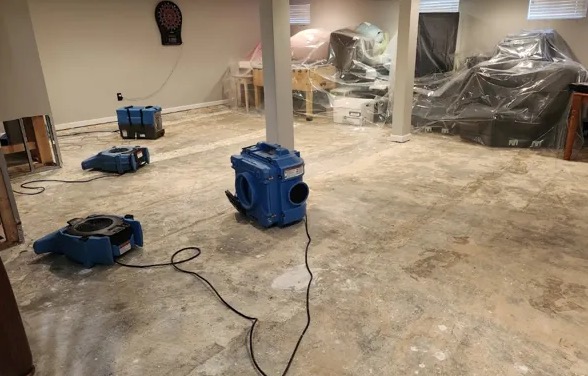
Fire and Smoke Damage Restoration for Des Moines Homes and Businesses
For homes and businesses in Des Moines, smoke damage means airborne soot and lingering odor, and the water used to fight the fire adds more damage.
After a fire in Des Moines or nearby Windsor Heights, Pleasant Hill and Saylorville, local fire damage restoration pros handle board-up, soot cleanup, odor removal, structural repairs and everything in between.
Fire and Smoke Damage Restoration Work Scope in Des Moines, IA
Structural Repair
Rebuilding can include carpentry, electrical and plumbing work, blended into the undamaged rooms.
Soot Smoke Residue Cleanup
Smoke leaves oily, acidic residue in porous materials. Dry sponging comes first, then wet cleaning, so the soot lifts instead of smearing.
Emergency Fire Damage Cleanup
Right after a fire, pros extract water, remove loose soot and secure the building so detailed cleanup can follow.
Firefighting Water Damage Mitigation
Drying continues until moisture readings show the walls and floors are back to normal.
Fire Damage Structural Assessment
Before cleanup starts in Des Moines, pros confirm the structure is safe to work in and map what must be rebuilt.
Signs Your Des Moines Property Needs Fire Damage Restoration
Persistent Acrid Smoke Smell
A smoke smell that lingers in fabrics and walls days after the fire means residue has soaked into porous materials.
Peeling Paint or Wallpaper Bubbling
Paint or wallpaper lifting from walls is common after the heat and moisture of a fire.
Visible Soot on Walls and Ceilings
Black or gray powder on surfaces is soot. Wiping it with water or a household cleaner usually smears it deeper.
Water Stains From Firefighting Efforts
Water marks and damp areas near the fire damage come from the firefighting water and need drying.
How Fire and Smoke Damage Restoration Works in Des Moines
Step 1: First Call and Initial Inspection
Pros visit the property to see how far the fire, smoke and water damage reach.
Step 2: Water Mitigation and Structural Stabilization
Standing water from firefighting is removed and the structure is dried so soot cleanup can start safely.
Step 3: Deep Cleaning of All Affected Areas
Walls, ceilings, floors and ductwork are cleaned with methods matched to dry, oily or protein soot.
Step 4: Verification and Clearance Testing
Pros check that odor is gone and surfaces are clean before rebuilding starts.
Typical Origins of Property Fires in Des Moines
Candle Fires or Open Flame Accidents
A candle that tips over or sits near something flammable can start a small fire with heavy smoke.
Flammable Liquid Storage Accidents
Gasoline, paint and solvents stored badly can feed fast, hot fires with heavy soot.
Kitchen Cooking Fires and Grease Fires
Unattended stoves and grease fires are a leading cause of house fires and leave heavy, greasy soot.
Faulty Dryer Vents Lint Accumulation
Lint buildup in dryer vents is a common ignition source, especially in long or crushed vent runs.
Fire and Smoke Damage Restoration for Homes and Businesses in Des Moines
Residential Fire and Smoke Damage Restoration
House fires usually leave fire, smoke and water damage together. Pros dry the structure, clean contents and treat odor, checking for hidden moisture from firefighting.
Commercial Fire and Smoke Damage Restoration
Restaurants, stores and offices in Des Moines need soot cleaned before they can reopen. Pros use industrial air scrubbers and ozone machines for odor.
The Risks of DIY Fire and Smoke Damage Restoration in Des Moines
Once authorities release the property, arrange perimeter security if needed. Leave the board-up to fire damage restoration pros; a poorly secured opening may not meet your insurer's requirements.
Cost Considerations for Fire and Smoke Damage Restoration in Des Moines
Waiting lets soot and smoke odor set into surfaces and fabrics, which makes cleaning slower and more expensive.
Scope of Damage
The number of rooms and square footage affected sets the labor and materials needed.
Water Damage Extent
Firefighting water that soaked into walls and floors adds a separate drying phase to the job.
Type of Residues
Soot from plastics or rubber is greasier and harder to clean than wood soot, so it takes different products and more time.
Does Insurance Cover Fire and Smoke Damage Restoration?
Fire restoration, including odor removal, is often covered if the cause is not excluded. Deductibles and limits affect your out-of-pocket cost; verify with your insurer.
Benefits of Local Help for Fire and Smoke Damage Restoration in Des Moines
Detailed Documentation
Records of the damage and the work give your insurer clear evidence when reviewing the claim.
Final Decontamination
Final cleaning removes leftover particles and residue before you move back in.
Comprehensive Damage Assessment
The first inspection looks for hidden fire, smoke and water damage as well as what is visible.
Urgent Fire and Smoke Damage Restoration Response in Des Moines, IA
A burned building in Des Moines is open to weather and intruders. Call (515) 575-2930 any time for board-up and a structural check.
Call Now (515) 575-2930Fire and Smoke Damage Restoration for Des Moines and Surrounding Communities
The pros handle everything from firefighting water to final cleaning in Des Moines and nearby places such as Windsor Heights, Pleasant Hill and Saylorville.
Your Fire and Smoke Damage Restoration Questions Addressed
What does fire and smoke damage restoration involve?
Board-up and assessment first, then soot cleanup, odor removal, water drying, content cleaning and any structural repairs.
What causes persistent smoke odors after a fire?
Tiny smoke particles that settle into drywall, wood and insulation and keep releasing odor.
What are the health risks of untreated smoke damage?
Soot and ash can irritate lungs and eyes, and residue from burned plastics may be toxic.
Can fire-damaged electronics be restored?
Sometimes, depending on how much soot and moisture reached them. Corrosion sets in quickly, so sooner is better.
What happens during the fire odor elimination process?
The house is closed up and treated with equipment that breaks down odor particles in materials, usually alongside air scrubbing.
Complementary Damage Services in Des Moines
- Building Fire Restoration
- Char Removal Services
- Commercial Fire Damage Services
- Electrical Fire Damage Cleanup
- Emergency Fire Damage Cleanup
- Fire Damage Repair
- Fire Damage Restoration
- Fire Odor Removal
- Fire-Damaged Contents Cleaning
- Furnace Fire Damage Cleanup
- Garage Fire Damage Cleanup
- HVAC Fire Damage Cleanup
- Kitchen Fire Damage Cleanup
- Residential Fire Damage Services
- Smoke Damage Cleanup
- Smoke Damage Restoration
- Smoke Odor Removal
- Smoke Ventilation Services
- Smoke-Damaged Drywall Repair
- Smoke-Damaged Wall Cleanup
- Smoke-Stained Ceiling Cleanup
- Soot Damage Cleanup
- Structural Fire Damage Repair