Des Moines, IA · Polk County
Soot Damage Cleanup in Des Moines, IAPost Fire Air Cleaning & Smoke Residue Wiping
In Des Moines, Soot Damage Cleanup covers fire soot removal, smoke odor elimination and post fire air cleaning.
Answered 24/7
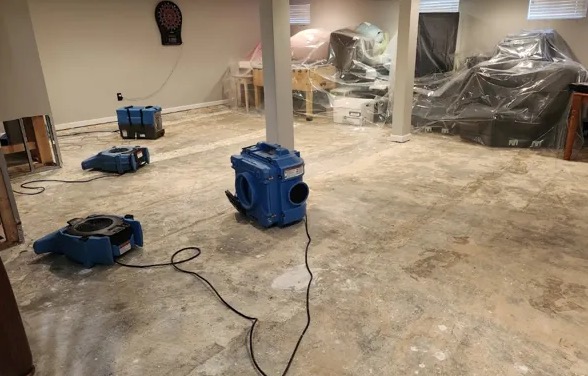
Local Soot Damage Cleanup for Des Moines Homes and Businesses
In Des Moines, a fire coats every surface with fine soot, and smoke odor soaks into upholstery and insulation. Home cleaning rarely removes either, and smearing soot can set stains.
After a fire in Des Moines, soot often gets into HVAC ducts and behind walls. Local smoke cleanup experts clean the structure and contents for residents in Des Moines and nearby communities like Windsor Heights, Pleasant Hill and Saylorville.
The Soot Damage Cleanup Process for Des Moines Properties
Post Fire Air Cleaning
Airborne soot settles on cleaned surfaces, so air filtration runs during the whole cleanup to prevent re-cleaning.
Smoke Residue Wiping
Any missed surface can keep smelling, so pros wipe hidden areas like cabinet interiors and the tops of door frames.
Fire Damage Surface Restoration
The work includes drywall patching, painting with matched colors and replacing trim, plus sanding and refinishing wood.
Structural Soot Decontamination
Pros decide which materials can be cleaned and which must be removed, then seal cleaned wood to lock in leftover odor.
Smoke Odor Elimination
Smoke odor can return for years if missed, so pros trace where it spread and use air scrubbing, fogging and surface cleaning.
Warning Signs You Need Soot Damage Cleanup
Blackened Window Panes and Sills
A dark film on windows and sills is a visible sign that smoke settled throughout the room.
Soot on Furniture and Contents
A fine black dust on furniture, electronics and belongings shows soot spread through the rooms.
Persistent Acrid Smoke Odor
A smoky smell that stays after airing the house out usually means soot is still on surfaces.
Respiratory Irritation or Coughing
More coughing or eye irritation indoors can come from soot particles still in the air.
How Soot Damage Cleanup Works in Des Moines
Step 1: Emergency Smoke Containment
The experts in Des Moines seal off the affected area so soot does not spread to clean rooms.
Step 2: Soot and Smoke Residue Cleaning
Soot stains are cleaned from walls, ceilings and contents, covering both dry and wet residue.
Step 3: Content Cleaning and Decontamination
Furniture and belongings are cleaned on site or at a facility to save as many items as possible.
Step 4: Air Quality Testing and Validation
Final air quality checks confirm the odor is gone and the space is ready to use again.
Typical Origins of Soot in Des Moines Properties
Improper Fire Extinguisher Use
Some dry chemical extinguishers leave a corrosive powder that mixes with soot and complicates cleanup.
Candle or Fireplace Soot
Poorly vented fireplaces and candles leave black soot stains on walls and ceilings over time.
Electrical Fires
Electrical fires create fine, dry soot that works deep into porous materials and wall cavities.
Furnace or Heater Malfunctions
A furnace puffback can blow soot and smoke residue through the whole house in seconds.
Property Soot Damage Cleanup Solutions in Des Moines, IA
Residential Soot Damage Cleanup
For homeowners in Des Moines, cleanup after a house fire covers soot on belongings and throughout living spaces, plus treatment of the smoke smell.
Commercial Soot Damage Cleanup
Offices, stores and dining spaces need residue wiped and air cleaned quickly, with surfaces restored so the business can reopen.
Soot Damage Cleanup vs. DIY: When to Call Smoke Cleanup Experts
On glass or metal, you can wipe light soot with a dry chemical sponge. Do not use water or household cleaners on dry soot, since they can set stains; call the experts for anything larger.
What Affects Soot Damage Cleanup Expenses in Des Moines
Soot type affects price, since wet soot from firefighting water cleans very differently than dry, powdery soot does.
Structural Complexity
High ceilings and ductwork are harder to reach and add time to the cleanup.
Depth of Penetration
Soot that soaked into insulation or drywall needs deeper cleaning or removal.
Smoke Odor Severity
Strong smoke smells may need ozone or hydroxyl machines, which adds to the job.
Does Insurance Cover Soot Damage Cleanup?
Insurance may cover odor removal and soot cleanup if fire is a covered peril. Pros write a detailed scope for the adjuster, so check your coverage limits directly.
Why Choose Local Experts for Soot Damage Cleanup in Des Moines
IICRC-Standard Soot Cleaning
Cleaning follows accepted industry methods for each soot type, so stains are not set or spread.
Comprehensive Soot Assessment
A detailed inspection finds every affected area so nothing is missed in the cleaning scope.
Structural Decontamination Focus
Building materials get deep cleaning so hidden soot does not keep causing odor.
24/7 Emergency Soot Damage Cleanup in Des Moines, IA
Waiting lets soot set into surfaces and odor settle in. Call (515) 575-2930 for 24/7 help from the pros to start cleanup.
Call Now (515) 575-2930Soot Damage Cleanup Availability Near Des Moines, Iowa
After a fire in Des Moines and nearby areas like Windsor Heights, Pleasant Hill and Saylorville, the pros clean soot and belongings.
Soot Damage Cleanup FAQs
Why is smoke residue wiping important?
Smoke residue is acidic and can corrode metal, discolor surfaces and keep smelling if it is not wiped away.
Will fire soot removal eliminate all smoke smell?
Odor treatment combined with surface and air cleaning typically removes the smell you can detect.
Can I clean soot damage myself?
Home cleaning often spreads soot deeper into materials and misses the odor, which then needs professional correction.
How quickly should soot damage restoration begin?
As soon as possible, since soot can cause permanent damage within days. The experts respond 24/7.
Can soot stains be completely removed?
Many can be, but it depends on the surface, the soot type and how quickly cleanup began after the fire.