
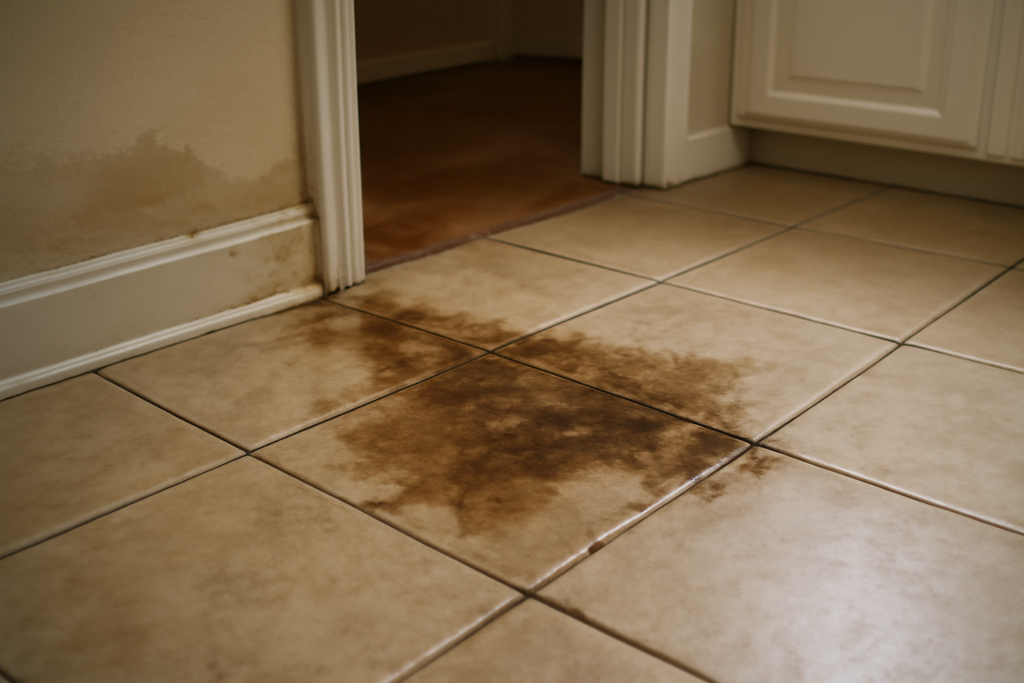
Tile Floor Water Extraction in Elkhart, IA
Trusted by 10,000+ Homeowners Across the USA
Water Damage on Your Tile Floors: What You Need to Know
In Elkhart, IA, where heavy rainfall and snowmelt can cause water to seep into your home, it's not uncommon to experience water damage on your tile floors. Don't wait until it's too late - act fast to prevent long-term damage. Our team of experts has seen firsthand the devastating effects of delayed water extraction, and we're here to guide you through the process. Whether you're dealing with a small leak or a major flood, our technicians are equipped to handle the job. With IICRC certification and a commitment to customer satisfaction, you can trust us to restore your tile floors to their former glory.
Don't just take our word for it - with over 165+ five-star reviews, our customers rave about our fast and effective service. From the initial assessment to the final clean-up, our crew will work tirelessly to ensure your tile floors are restored to their original condition. So why wait? Contact us today to schedule your appointment and let us take care of the rest.
- We'll arrive within 60 minutes to assess the damage and develop a customized plan to extract the water from your tile floors.
- Our state-of-the-art equipment will quickly and efficiently remove excess water, reducing the risk of further damage and reducing downtime.
- We'll work closely with you to ensure your tile floors are restored to their original condition, including any necessary repairs or replacements.
How Our Tile Floor Water Extraction Service Works
With water extraction, every minute counts. That's why our team follows a meticulous process to ensure your tile floors are restored as quickly and effectively as possible. Here's what you can expect:
Step 1: Assessment and Planning
Our experienced technicians will arrive at your home to assess the extent of the damage and develop a customized plan to extract the water from your tile floors. This includes identifying the source of the leak, determining the best course of action, and providing a detailed estimate of the work to be done.
Step 2: Water Extraction
Using our state-of-the-art equipment we'll quickly and efficiently remove excess water from your tile floors, reducing the risk of further damage and reducing downtime. This may involve using wet vacuums, pumps, or other specialized equipment to extract the water.
Step 3: Drying and Dehumidification
Once the water has been extracted, our technicians will use specialized equipment to dry and dehumidify your tile floors. This involves using high-velocity air movers and dehumidifiers to remove any remaining moisture and prevent mold growth.
Step 4: Cleaning and Sanitizing
After the drying process is complete, our team will thoroughly clean and sanitize your tile floors to remove any remaining dirt, grime, or bacteria. This includes using specialized cleaning solutions and equipment to ensure your floors are safe and healthy.
Step 5: Repairs and Restoration
Finally, our experienced technicians will work closely with you to ensure your tile floors are restored to their original condition. This may involve making repairs to damaged tile, grout, or other materials, or replacing them entirely if necessary.
Don't wait until it's too late - act fast to prevent long-term damage to your tile floors. Contact us today to schedule your appointment and let us take care of the rest.
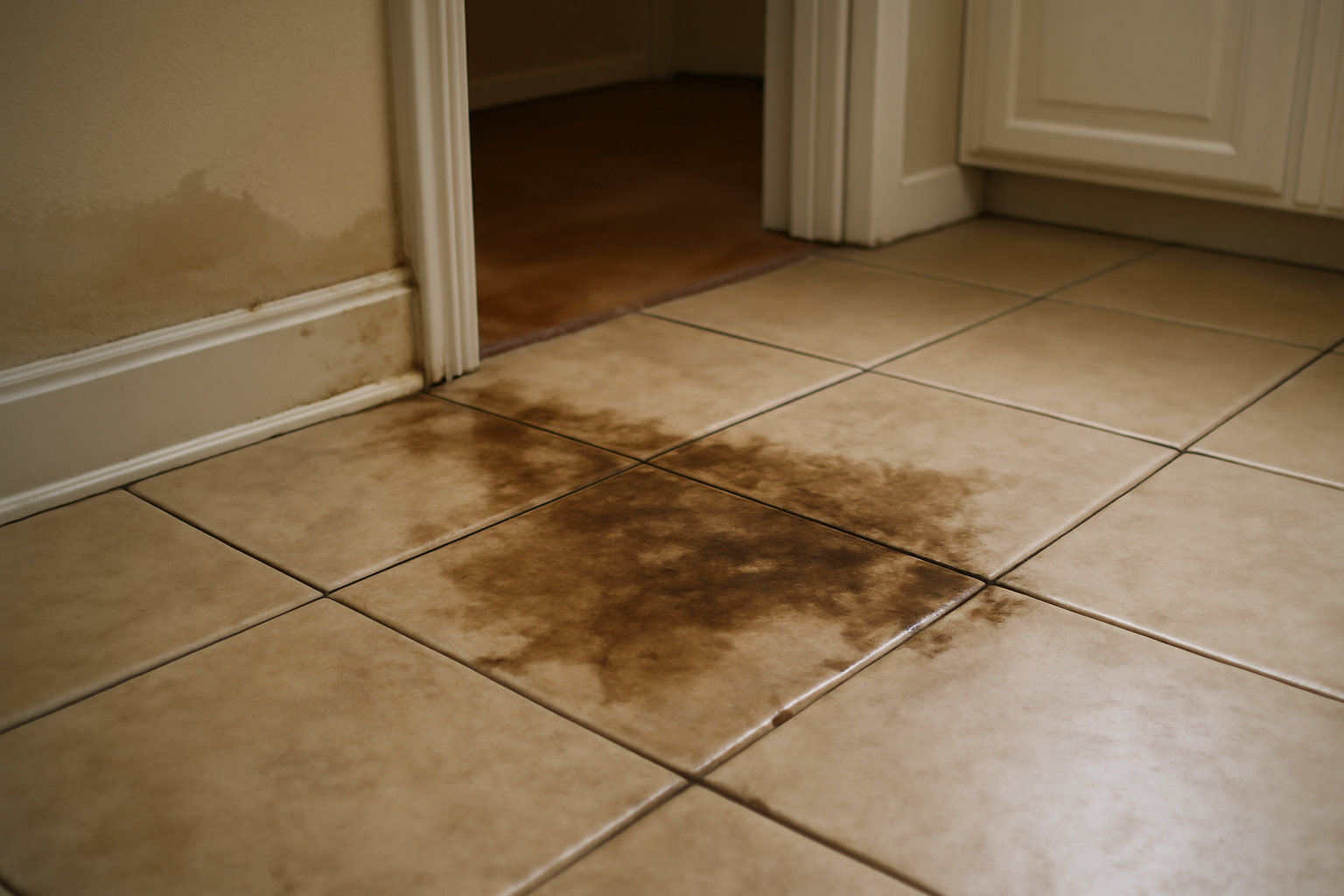
Warning Signs You Need Tile Floor Water Extraction
Don't ignore these warning signs - catching water damage early can save you money and prevent bigger problems down the line. Here are some common signs that you need tile floor water extraction:
Musty Odors That Won't Go Away
Strong, unpleasant odors that linger long after a spill or flood can be a sign of hidden water damage. Don't ignore it - our team can help you identify the source of the odor and provide a solution to get rid of it for good.
Warped or Buckled Tile
Warped or buckled tile can be a sign of water damage that's been left untreated for too long. Don't delay - our technicians can assess the damage and provide a plan to repair or replace the affected tile.
Discoloration or Staining
Discoloration or staining on your tile floors can be a sign of water damage that's been left untreated. Don't ignore it - our team can help you identify the cause of the discoloration and provide a solution to restore your floors to their original condition.
Water Stains on the Ceiling
Water stains on the ceiling above your tile floors can be a sign of a leak or water damage that's been left untreated. Don't delay - our technicians can assess the damage and provide a plan to repair or replace the affected area.
Soft or Spongy Flooring
Soft or spongy flooring can be a sign of water damage that's been left untreated. Don't ignore it - our team can help you identify the cause of the softness and provide a solution to restore your floors to their original condition.
Unusual Sounds or Creaks
Unusual sounds or creaks coming from your tile floors can be a sign of water damage that's been left untreated. Don't delay - our technicians can assess the damage and provide a plan to repair or replace the affected area.
Tile Floor Water Extraction vs. DIY: When To Call a Professional
| Situation | DIY? | Call a Pro? | Why |
|---|---|---|---|
| Small leak in a single room | Yes | No | DIY can be effective for small leaks in a single room, but be sure to act fast to prevent further damage. |
| Large flood or water damage | No | Yes | Large floods or water damage need specialized equipment and expertise to restore your tile floors safely and effectively. |
| Hidden water damage or mold growth | No | Yes | Hidden water damage or mold growth can be difficult to detect and need specialized equipment and expertise to identify and remediate. |
| Tile floors with significant damage or warping | No | Yes | Tile floors with significant damage or warping need specialized expertise and equipment to repair or replace safely and effectively. |
| Water damage in a high-traffic area | No | Yes | Water damage in high-traffic areas needs specialized equipment and expertise to restore your tile floors safely and effectively, while reducing downtime. |
Don't wait until it's too late - act fast to prevent long-term damage to your tile floors. Contact us today to schedule your appointment and let us take care of the rest.
Tile Floor Water Extraction Cost In Elkhart, IA
The cost of tile floor water extraction can vary depending on the severity of the damage, the size of the affected area, and local conditions in Elkhart, IA. These estimates are based on our experience and may not reflect the actual cost of the work. Get a free estimate from our team to find out the cost of your specific project.
| Service | Typical Price Range | What Affects Cost |
|---|---|---|
| Initial Assessment and Planning | $100 - $500 | The severity of the damage and the size of the affected area. |
| Water Extraction | $500 - $2,500 | The amount of water to be extracted, the size of the affected area, and the type of equipment needed. |
| Drying and Dehumidification | $200 - $1,000 | The size of the affected area, the type of equipment needed, and the amount of time required to complete the job. |
| Cleaning and Sanitizing | $100 - $500 | The size of the affected area, the type of equipment needed, and the amount of time required to complete the job. |
| Repairs and Restoration | $500 - $2,500 | The extent of the damage, the size of the affected area, and the type of materials needed for repairs. |
Exact pricing will depend on an on-site assessment by our team. Get a free estimate today to find out the cost of your specific project.
Service Areas Near Elkhart, IA
We serve the following communities in and around Elkhart, IA:
Albany, Ames, Ankeny, Bondurant, Boone, Carlisle, Clive, Colfax, Dallas Center, Des Moines, Gilbert, Grimes, Huxley, Johnston, Kamrar, Kelley, Madrid, Marshalltown, Norwalk, Polk City, Pleasant Hill, Runnells, Slater, Urbandale, Waukee, West Des Moines, Windsor Heights
Common Questions About Tile Floor Water Extraction
How long will it take to extract the water from my tile floors?
Our experienced technicians will work quickly and efficiently to extract the water from your tile floors, typically within 60 minutes to a few hours, depending on the severity of the damage and the size of the affected area.
Will I need to replace my tile floors after water damage?
Not always. Our team will assess the damage and find out the best course of action to restore your tile floors to their original condition. In some cases, repairs or replacements may be necessary, but we'll work closely with you to ensure the final result meets your needs and budget.
Can I do tile floor water extraction myself?
While DIY can be effective for small leaks in a single room, large floods or water damage need specialized equipment and expertise to restore your tile floors safely and effectively. Don't risk it - call a professional to ensure the job is done right.
How long will it take to dry and dehumidify my tile floors?
The time it takes to dry and dehumidify your tile floors will depend on the severity of the damage, the size of the affected area, and the type of equipment used. Our technicians will work closely with you to ensure your floors are restored to their original condition as quickly and safely as possible.
Will I need to replace my carpet or padding after water damage?
Not always. Our team will assess the damage and find out the best course of action to restore your carpet and padding to their original condition. In some cases, repairs or replacements may be necessary, but we'll work closely with you to ensure the final result meets your needs and budget.
Check Our Other Relevant Services
Serving Elkhart, IA And Nearby Areas



