
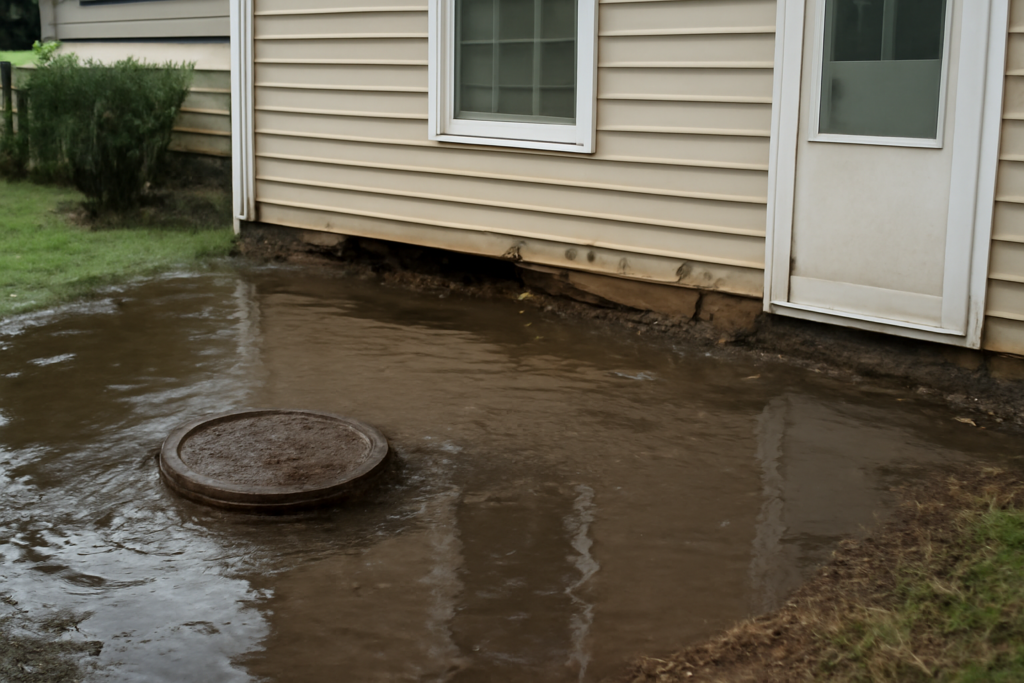
Septic Tank Backup Water Removal in Knoxville, IA
Trusted by 10,000+ Homeowners Across the USA
Septic Tank Backup Water Removal in Knoxville, IA: Dealing with Spring Storms
Spring storms in the Midwest can bring heavy rainfall, causing your septic tank to overflow and leading to costly backups in your home. Knoxville, IA, is no stranger to these kinds of storms, and it's essential to be prepared. If you're experiencing a septic tank backup, don't wait for the problem to get worse, call a professional to help you quickly and safely restore your property. We've seen it all, from minor leaks to full-blown floods, and we're here to help you navigate the process. Our team has the expertise and equipment to handle even the toughest septic tank backup jobs.
Our team has helped over 165 homeowners in the area with their septic tank backup needs, and we're proud of our 5-star rating. Our customers trust us to get the job done right, and we take pride in our work. From our IICRC-certified technicians to our satisfaction guarantee, you can feel confident in our ability to help you with your septic tank backup water removal needs.
- We can help you prevent costly septic tank backups by identifying and fixing any issues before they become major problems.
- Our team uses specialized equipment to safely and efficiently remove water from your property, reducing damage and disruption.
- We'll work with you to develop a customized plan for septic tank maintenance and repair, helping you avoid future backups and costly repairs.
How Our Septic Tank Backup Water Removal Service Works
At our company, we understand that a septic tank backup is more than just a mess, it's a serious problem that needs prompt attention. That's why we've developed a comprehensive process for handling these situations. Our team will arrive quickly, assess the damage, and begin the cleanup and restoration process. We'll use specialized equipment to remove water, dry out your property, and prevent further damage. Our goal is to get your home back to normal as quickly and safely as possible.
Step 1: Assessment and Evaluation
We'll arrive at your property, assess the situation, and find out the best course of action. Our team will identify the source of the backup and develop a plan to safely and efficiently remove the water. We'll use our expertise and specialized equipment to ensure the job is done right.
Step 2: Water Removal
Our team will use powerful pumps and other equipment to remove the water from your property. We'll work quickly to reduce damage and disruption. Our goal is to remove as much water as possible, reducing the risk of further damage and costly repairs.
Step 3: Drying and Dehumidification
Once the water is removed, we'll use specialized equipment to dry out your property. Our team will monitor the drying process, ensuring that your home is thoroughly dry and free of moisture. This step is crucial in preventing mold and mildew growth.
Step 4: Disinfection and Sanitizing
To prevent the growth of bacteria, mold, and mildew, we'll use disinfectants and sanitizers to thoroughly clean and disinfect your property. Our team will pay close attention to areas that are most susceptible to contamination.
Step 5: Restoration and Repair
Once the property is dry and clean, we'll begin the restoration and repair process. Our team will work with you to develop a plan for repairing and replacing damaged materials, such as flooring, walls, and ceilings. We'll use only the highest-quality materials to ensure your home is restored to its original condition.
Don't wait for the problem to get worse, call us today to schedule a service call. Our team is ready to help you with your septic tank backup water removal needs.

Warning Signs You Need Septic Tank Backup Water Removal
Catching the signs of a septic tank backup early can save you money and prevent bigger problems down the line. Here are some common warning signs to look out for:
Musty Odors That Won't Go Away
Unpleasant odors in your home or yard can be a sign of a septic tank backup. If you notice a persistent musty smell, it's essential to investigate the source and address the issue before it gets worse.
Slow-Draining Drains
If your drains are taking longer than usual to drain, it could be a sign of a clogged septic system. Don't ignore this issue, as it can lead to costly backups and repairs.
Water Damage and Leaks
Water damage and leaks can be a sign of a septic tank backup. If you notice water damage or leaks in your home, it's essential to address the issue quickly to prevent further damage and costly repairs.
Backed-Up Toilets and Sinks
Backed-up toilets and sinks can be a sign of a septic tank backup. If you notice this issue, it's essential to address the problem quickly to prevent further damage and costly repairs.
Standing Water in Your Yard
Standing water in your yard can be a sign of a septic tank backup. If you notice water pooling in your yard, it's essential to address the issue quickly to prevent further damage and costly repairs.
Grease and Debris in Your Drains
Grease and debris in your drains can be a sign of a clogged septic system. Don't ignore this issue, as it can lead to costly backups and repairs.
Septic Tank Backup Water Removal vs. DIY: When To Call a Professional
| Situation | DIY? | Call a Pro? | Why |
|---|---|---|---|
| Minor leak in your septic tank | Yes | No | You can fix minor leaks with basic plumbing tools and expertise. |
| Major septic tank backup with standing water | No | Yes | Major backups need specialized equipment and expertise to safely and efficiently remove water and prevent further damage. |
| You're unsure about the source of the backup | No | Yes | Our team can help you identify the source of the backup and develop a plan to address the issue. |
| You're experiencing slow-draining drains | No | Yes | Slow drains can be a sign of a clogged septic system, and our team can help you diagnose and fix the issue. |
| You notice unpleasant odors in your home or yard | No | Yes | Unpleasant odors can be a sign of a septic tank backup, and our team can help you identify the source and address the issue. |
| You're unsure about how to fix a clogged septic system | No | Yes | Our team can help you diagnose and fix the issue, ensuring your septic system is functioning properly. |
Don't risk your health and safety by trying to fix a septic tank backup yourself. Call us today to schedule a service call and let our team handle the job.
Septic Tank Backup Water Removal Cost in Knoxville, IA
The cost of septic tank backup water removal can vary depending on the severity of the issue, the size of the affected area, and local conditions in Knoxville, IA. Our team will provide you with a free estimate after assessing your property. We'll work with you to develop a customized plan to address the issue and reduce costs.
| Service | Typical Price Range | What Affects Cost |
|---|---|---|
| Initial Assessment and Evaluation | $100 - $500 | The severity of the issue, the size of the affected area, and local conditions in Knoxville, IA. |
| Water Removal and Drying | $500 - $2,500 | The amount of water involved, the size of the affected area, and the complexity of the job. |
| Disinfection and Sanitizing | $200 - $1,000 | The size of the affected area, the type of materials involved, and local regulations. |
| Restoration and Repair | $1,000 - $5,000 | The extent of the damage, the type of materials involved, and local regulations. |
| Free On-Site Estimate | $0 - $100 | The location of the property, the severity of the issue, and local conditions in Knoxville, IA. |
The cost of septic tank backup water removal can vary depending on the specifics of your situation. Our team will provide you with a free estimate after assessing your property, and we'll work with you to develop a customized plan to address the issue and reduce costs.
Service Areas Near Knoxville, IA
We proudly serve the following communities: Altoona, Bondurant, Carlisle, Colfax, Des Moines, Grimes, Johnston, Madrid, Norwalk, Pleasant Hill, Polk City, Urbandale, West Des Moines, Windsor Heights, Ankeny, Clive, Dallas Center, Huxley, Johnston, Norwalk, Pleasant Hill, Polk City, Urbandale, Waukee, West Des Moines, Adel, Alleman, Ankeny, Clive, Dallas Center, De Soto, Elkhart, Granger, Huxley, Johnston, Polk City, Woodward, Altoona, Bondurant, Carlisle, Colfax, Des Moines, Grimes, Norwalk, Pleasant Hill, Polk City, Urbandale, West Des Moines, Windsor Heights.
Common Questions About Septic Tank Backup Water Removal
Q: Will I need to replace my septic system after a backup?
A: It depends on the extent of the damage and the age of your septic system. Our team can help you find out the best course of action after assessing your property. We'll work with you to develop a customized plan to address the issue and reduce costs. Our goal is to get your home back to normal as quickly and safely as possible.
Q: Can I use bleach to disinfect my property after a septic tank backup?
A: No, bleach is not recommended for disinfecting properties affected by septic tank backups. Our team uses specialized equipment and materials to ensure your property is thoroughly disinfected and sanitized. We'll work with you to develop a plan to address the issue and reduce costs.
Q: How long will it take to complete the septic tank backup water removal process?
A: The length of time it takes to complete the process depends on the severity of the issue, the size of the affected area, and local conditions in Knoxville, IA. Our team will provide you with a free estimate after assessing your property, and we'll work with you to develop a customized plan to address the issue and reduce costs.
Q: Will I need to buy a new septic system after a backup?
A: It depends on the extent of the damage and the age of your septic system. Our team can help you find out the best course of action after assessing your property. We'll work with you to develop a customized plan to address the issue and reduce costs. Our goal is to get your home back to normal as quickly and safely as possible.
Q: Can I use a plunger to fix a clogged septic system?
A: No, plungers are not recommended for fixing clogged septic systems. Our team uses specialized equipment and expertise to safely and efficiently diagnose and fix the issue. We'll work with you to develop a plan to address the issue and reduce costs.
Check Our Other Relevant Services
Serving Knoxville, IA And Nearby Areas



