Tama, IA · Tama County
Hydrostatic Pressure Water Removal in Tama, IAStructural Drying After Intrusion & Slab Seepage Water Removal
Hydrostatic Pressure Water Removal in Tama covers groundwater intrusion mitigation, wet subfloor removal and crawl space water extraction.
Answered 24/7
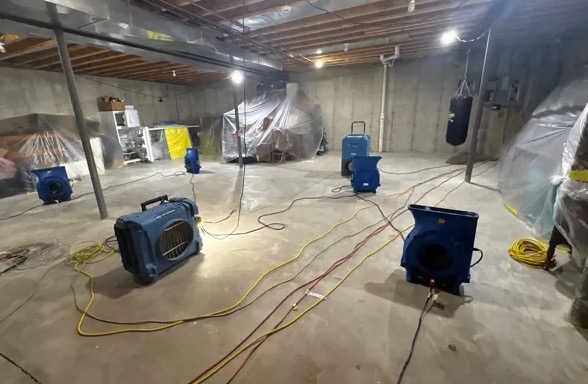
Hydrostatic Pressure Water Removal Solutions for Tama Homes
Water forced through foundation cracks is rarely clean. It carries minerals and silt that stain concrete and rust metal, so surfaces are cleaned after the water is removed.
In Tama and nearby Toledo, Garwin and Le Grand, soaked soil can push water into basements and crawl spaces. Local foundation water removal pros extract the water and dry the structure.
Hydrostatic Pressure Water Removal Services in Tama
Structural Drying After Intrusion
After water is pushed inside, air movers and dehumidifiers dry the wood, concrete and drywall it reached so rot and mold do not start.
Slab Seepage Water Removal
Groundwater pushed up through a concrete slab can leave damp spots or a thin sheet of water. It is extracted and the slab and flooring are dried.
Sump Pump Failure Cleanup
Local water removal pros extract the floodwater and can assist with diagnosing the cause of the pump failure for future prevention.
Basement Hydrostatic Pressure Flooding
The process involves extracting standing water, assessing the foundation for entry points, and beginning the structural drying process to stabilize the environment.
Foundation Crack Water Infiltration
Water coming through foundation cracks is pushed in by soil pressure. The water that got in is extracted and the area dried, and the crack is noted for a foundation contractor.
Warning Signs You Need Hydrostatic Pressure Water Removal
Rusted Metal in Foundation Area
Unexpected rust on support posts, pipes or appliances in the basement means the space has stayed damp for a while.
Damp or Musty Odors in Basement
A constant musty smell in the lower level often means groundwater is getting in somewhere.
Warped or Buckling Flooring
Flooring that warps or buckles near walls can mean water is coming up from below and the subfloor is wet.
Visible Cracks in Foundation Floors
New or widening cracks in a basement slab can let groundwater in when the soil is wet.
How Hydrostatic Pressure Water Removal Works in Tama
Step 1: Water Mitigation Response
Help is available 24/7, starting with extraction to stop more damage in the flooded lower level.
Step 2: Groundwater Intrusion Mitigation
Techniques are applied to divert or relieve groundwater pressure against the foundation.
Step 3: Comprehensive Moisture Mapping
Moisture meters find hidden dampness in walls and floors and guide where drying equipment goes.
Step 4: Sanitization and Odor Treatment
Affected areas are cleaned and treated to eliminate odors and microbial concerns.
How Hydrostatic Pressure Creates Water Removal Emergencies
Clogged or Collapsed Footing Drains
When perimeter drains clog or fail, water has nowhere to go and presses against the walls and slab.
Heavy or Prolonged Rainfall
Long periods of rain soak the soil, and the water presses against the foundation until it finds a way in.
Failed or Missing Waterproofing
Worn exterior coatings or membranes let groundwater reach the foundation wall directly.
High Water Table Levels
A high water table keeps steady pressure on the foundation and pushes water through cracks and joints.
Hydrostatic Pressure Water Removal for Foundation Protection
Residential Hydrostatic Pressure Water Removal
In homes, water through the foundation can reach framing and wiring in the lower level. The pros remove the water and dry the structure, and a foundation contractor handles any cracks.
Commercial Hydrostatic Pressure Water Removal
Warehouses and plants on slab floors can take on water from below. Industrial equipment removes it and dries the large floor area so work can resume.
Professional Hydrostatic Pressure Water Removal or DIY Cleanup in Tama
Checking known foundation cracks for changes in width or new moisture is a reasonable DIY task. If water starts flowing through any crack, stop monitoring and call for water removal and repair right away.
What Influences Hydrostatic Pressure Water Removal Costs in Tama
The cost of hydrostatic pressure water removal in Tama depends on how much of the lower level flooded and how much water came in.
Material Saturation Level
Deeply soaked subflooring or wet foundation walls need more extraction and dehumidification.
Affected Area Size
Larger flooded areas or large wet subfloors need more equipment and more days of drying.
Mitigation Measures
Drainage or waterproofing work to stop water from returning is a separate cost from the water removal.
Does Insurance Cover Hydrostatic Pressure Water Removal?
Coverage for crawl space water often depends on the cause, such as groundwater versus a plumbing leak. The pros in Tama County document the water and damage for you to send to your insurer.
The Value of Local Pros for Hydrostatic Pressure Water Removal
Methodical Cleanup Process
Each step, from extraction to final readings, is done in order so nothing is left wet.
Focused Mitigation Planning
You get notes on where water came in, so you can plan drainage work with a contractor.
Controlled Demolition Protocols
Only subfloor and materials that cannot be dried are removed, which keeps the repair smaller.
Round-the-Clock Hydrostatic Pressure Water Removal in Tama, IA
Water forced in through a foundation crack can spread across a floor quickly. Call (515) 575-2930 any time for help with water removal and drying in Tama.
Call Now (515) 575-2930Hydrostatic Pressure Water Removal Coverage Around Tama
Crawl space pumping and slab leak water removal are available in Tama and the wider Tama County region, including Toledo, Garwin and Le Grand.
- Hydrostatic Pressure Water Removal in Toledo
- Hydrostatic Pressure Water Removal in Garwin
- Hydrostatic Pressure Water Removal in Le Grand
- Hydrostatic Pressure Water Removal in Gilman
- Hydrostatic Pressure Water Removal in Grinnell
- Hydrostatic Pressure Water Removal in Traer
- Hydrostatic Pressure Water Removal in Gladbrook
- Hydrostatic Pressure Water Removal in Brooklyn
- Emergency Damage Restoration in 52339
- Storm Damage Restoration in 52339
- Water Damage Restoration in 52339
- Water Extraction Service in 52339
- Water Leak Detection in 52339
- Water Removal Service in 52339
Common Hydrostatic Pressure Water Removal Questions Answered
What does groundwater intrusion mitigation involve?
Removing the water, drying the structure and then, often, drainage or waterproofing work outside by a contractor.
Why is subfloor drying services important after flooding?
Drying the subfloor keeps it from rotting and growing mold, which protects the floor system above it.
Will drying stop water from coming back?
No. Drying fixes the damage that is already there. Keeping water out takes drainage, grading or waterproofing work by a contractor.
What is hydrostatic pressure water damage?
It is water pushed through foundation cracks or slab joints by water pressure in the soil, which floods the lower level and soaks the structure.
What are signs of soil pressure water intrusion?
Water seeping where the floor meets the wall, damp foundation walls and ongoing moisture in a crawl space.