
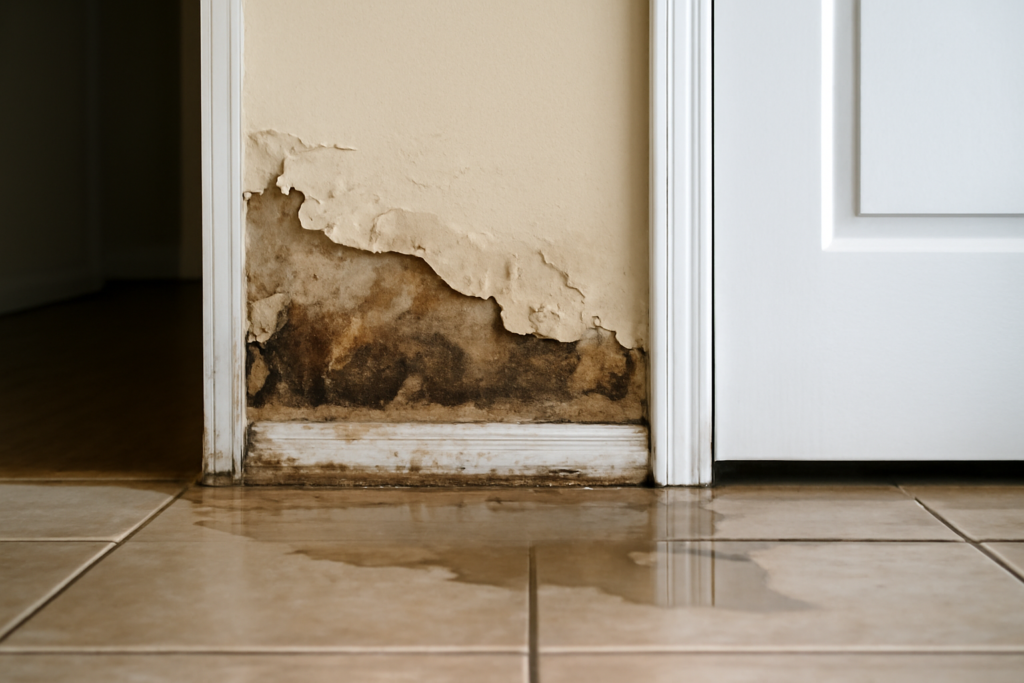
Hydrostatic Pressure Water Removal in Garwin, IA
Trusted by 10,000+ Homeowners Across the USA
Water Damage in Your Home: The Hidden Dangers of Hydrostatic Pressure
You're in your basement, and it's a typical Monday morning. You've just finished your morning coffee, and you're checking the laundry room. Suddenly, you hear a strange creaking sound, and you notice a faint smell of mold. You follow the smell and find a small patch of water seeping from the wall. Your heart sinks as you realize it's not just a small leak, it's hydrostatic pressure water damage. You quickly call our team to assess the situation, and we're there within the hour. Our technicians use specialized equipment to measure the moisture levels and find out the extent of the damage. We'll work fast to contain the area, dry the space, and prevent further damage. It's a stressful situation, but with our help, you can rest assured that your home will be back to normal in no time.
Don't just take our word for it, over 165 homeowners in the area have trusted our team with their hydrostatic pressure water removal needs, and we've delivered. We're locally owned and operated, and we understand the unique challenges of water damage in this region. Our team has the expertise and equipment to tackle even the toughest jobs, and we'll work with your insurance company to ensure a smooth claims process.
- We use specialized equipment to measure moisture levels and find out the extent of the damage.
- We contain the area to prevent further damage and ensure a safe working environment.
- We use advanced drying protocols to remove water and moisture from your property.
How Our Team Handles Hydrostatic Pressure Water Removal
Our team follows a proven process to ensure that your hydrostatic pressure water removal job is done right the first time. We'll start by assessing the damage and determining the best course of action. Our technicians will then use specialized equipment to measure moisture levels and contain the area. Next, we'll use advanced drying protocols to remove water and moisture from your property. Finally, we'll work with your insurance company to ensure a smooth claims process.
Step 1: Assessment and Containment
We'll assess the damage and find out the best course of action. Our technicians will contain the area to prevent further damage and ensure a safe working environment.
Step 2: Moisture Measurement and Drying
We'll use specialized equipment to measure moisture levels and find out the extent of the damage. Our technicians will then use advanced drying protocols to remove water and moisture from your property.
Step 3: Water Removal and Extraction
We'll use specialized equipment to remove water and extract moisture from your property. Our technicians will work efficiently to reduce downtime and get your home back to normal.
Step 4: Drying and Dehumidification
We'll use advanced drying protocols to remove moisture from your property. Our technicians will also use dehumidification equipment to ensure that your home is dry and safe.
Step 5: Final Inspection and Cleanup
We'll conduct a final inspection to ensure that your home is dry and safe. Our technicians will also clean up any remaining debris and materials.
Don't wait, call us today to schedule an assessment and start the process of restoring your home to its former glory. Our team is here to help, and we'll work fast to get you back on track.
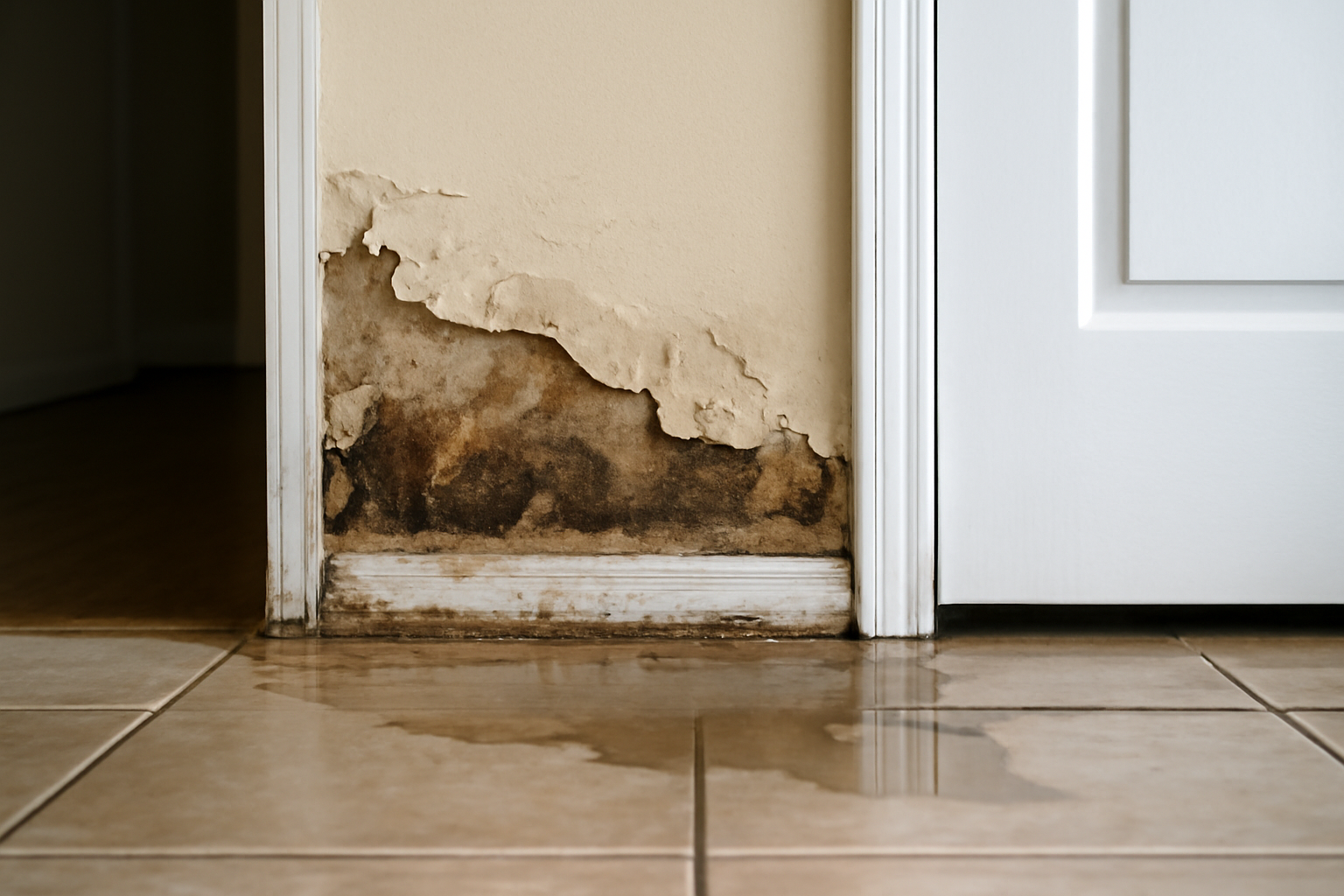
Warning Signs You Need Hydrostatic Pressure Water Removal
Catching hydrostatic pressure water damage early is crucial to preventing further damage and costly repairs. Here are some warning signs to look out for:
Musty Odors That Won't Go Away
A musty smell can show that there's moisture present in your home. If the smell persists, it may be a sign of hydrostatic pressure water damage.
Warped or Buckled Flooring
Warped or buckled flooring can be a sign of water damage. If you notice this issue, it's essential to investigate further to find out the cause.
Water Stains on Walls or Ceilings
Water stains on walls or ceilings can show that there's water present in your home. If you notice these stains, it's crucial to investigate further to find out the cause.
Mold or Mildew Growth
Mold or mildew growth can be a sign of hydrostatic pressure water damage. If you notice this issue, it's essential to investigate further and take action quickly.
Unusual Sounds or Leaks
Unusual sounds or leaks can show that there's water present in your home. If you notice these issues, it's crucial to investigate further to find out the cause.
Visible Water Damage
Visible water damage can be a sign of hydrostatic pressure water damage. If you notice this issue, it's essential to investigate further and take action quickly.
Hydrostatic Pressure Water Removal vs. DIY: When To Call a Professional
| Situation | DIY? | Call a Pro? | Why |
|---|---|---|---|
| Small leak in a single room | Yes | No | You can handle a small leak on your own with the right equipment and knowledge. |
| Large water damage in multiple rooms | No | Yes | Large water damage needs specialized equipment and expertise to ensure a safe and effective restoration. |
| Hidden water damage behind walls or ceilings | No | Yes | Hidden water damage needs specialized equipment and expertise to detect and restore. |
| Musty odors or mold growth | No | Yes | Mold growth and musty odors need specialized equipment and expertise to remove and prevent further damage. |
| Water damage in a crawl space or basement | No | Yes | Water damage in crawl spaces and basements needs specialized equipment and expertise to ensure a safe and effective restoration. |
| Water damage after a flood or natural disaster | No | Yes | Water damage after a flood or natural disaster needs specialized equipment and expertise to ensure a safe and effective restoration. |
Don't take the risk of trying to handle hydrostatic pressure water damage on your own. Call our team today to schedule an assessment and start the process of restoring your home to its former glory.
Hydrostatic Pressure Water Removal Cost In Garwin, IA
The cost of hydrostatic pressure water removal can vary depending on the severity of the damage, the size of the affected area, and local conditions in Garwin, IA. Our team will work with you to find out the best course of action and provide a fair and accurate estimate.
| Service | Typical Price Range | What Affects Cost |
|---|---|---|
| Assessment and Containment | $500 - $2,000 | The size of the affected area and the severity of the damage |
| Moisture Measurement and Drying | $1,000 - $5,000 | The size of the affected area and the type of drying equipment needed |
| Water Removal and Extraction | $2,000 - $10,000 | The size of the affected area and the amount of water present |
| Drying and Dehumidification | $1,500 - $6,000 | The size of the affected area and the type of equipment needed |
| Final Inspection and Cleanup | $500 - $2,000 | The size of the affected area and the amount of debris present |
The cost of hydrostatic pressure water removal can vary depending on the specifics of your situation. Our team will work with you to find out the best course of action and provide a fair and accurate estimate. We offer free estimates and will work with your insurance company to ensure a smooth claims process.
Service Areas Near Garwin, IA
We serve the following communities: Baxter, Beaman, Brooklyn, Conrad, Dysart, Elberon, Garwin, Gilman, Holland, Keystone, Liscomb, Lucas, Meskwaki, New Providence, Pella, Reasnor, Saint Anthony, Traer, Van Horne, Whitten.
Common Questions About Hydrostatic Pressure Water Removal
Q: How long will it take to dry my home?
A: The drying process can take anywhere from 3-5 days, depending on the severity of the damage and the type of equipment used. Our team will work with you to find out the best course of action and provide a fair and accurate estimate.
Q: Will my insurance cover the cost of hydrostatic pressure water removal?
A: Yes, most insurance policies cover the cost of hydrostatic pressure water removal. Our team will work with your insurance company to ensure a smooth claims process.
Q: What causes hydrostatic pressure water damage?
A: Hydrostatic pressure water damage is caused by water pressure building up behind walls or ceilings, leading to leaks and water damage. This can be caused by a variety of factors, including heavy rainfall, flooding, and poor drainage.
Q: How can I prevent hydrostatic pressure water damage?
A: To prevent hydrostatic pressure water damage, it's essential to maintain your home's drainage system, inspect your home regularly for signs of water damage, and address any issues quickly. Our team can also provide recommendations for improving your home's water resistance and preventing future damage.
Check Our Other Relevant Services
Serving Garwin, IA And Nearby Areas



