Des Moines, IA · Polk County
HVAC Water Leak Cleanup in Des Moines, IAAC Condensate Leak Water Removal & Coil Leak Water Damage Repair
HVAC Water Leak Cleanup in Des Moines covers HVAC cabinet water extraction, emergency HVAC leak cleanup, and wet insulation removal near HVAC.
Answered 24/7
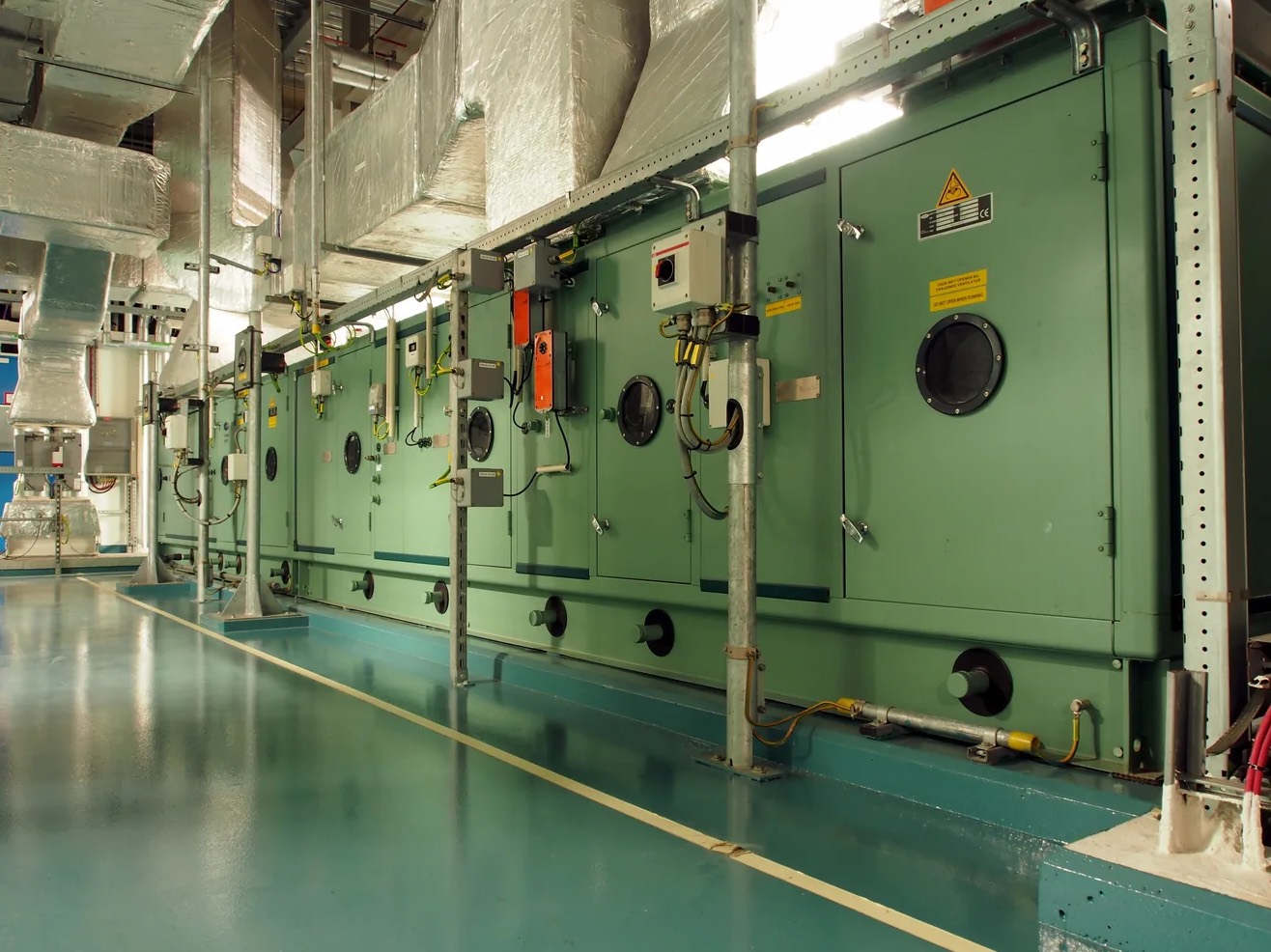
HVAC Leak Water Removal Solutions in Des Moines
A leaking coil in Des Moines creates two jobs. An HVAC contractor repairs the coil, and the water that already escaped has to be removed and dried.
When an HVAC leak occurs in Des Moines, water needs to come out quickly to protect interior finishes and electrical systems. Local water removal pros serve this community and nearby areas like Windsor Heights, Pleasant Hill and Saylorville, extracting water around the unit and drying wet ductwork before damage spreads.
HVAC Leak Water Removal Services in Des Moines
AC Condensate Leak Water Removal
A clogged AC condensate line leaks water around the indoor unit. Local water removal pros extract the pool to protect flooring and the system.
Coil Leak Water Damage Repair
A coil that has leaked for weeks often leaves wet framing and flooring around the unit. The pros remove the water and dry those materials, while an HVAC contractor fixes the coil.
Emergency HVAC Leak Cleanup
An overflowing secondary pan or a broken drain line needs cleanup right away. The pros mobilize to extract water and assess electrical safety.
Wet Insulation Removal Near HVAC
Saturated insulation near the HVAC unit loses R-value and can foster mold. Removal is often necessary for a proper dry-out.
HVAC Drain Line Flood Cleanup
When a drain line fails over a concrete utility slab, extractors remove the water and the slab and wall bases are dried.
Red Flags for HVAC Leak Water Removal in Des Moines
Wet or Sagging Insulation Nearby
Damp insulation around an attic unit or in nearby walls holds water against the drywall and framing.
Condensation Dripping From Ducts
Water droplets or streaks on metal ductwork mean the ducts are sweating, and the water is landing somewhere below.
High Indoor Humidity Levels
A home feeling persistently muggy can mean the HVAC system is not properly removing airborne moisture.
Reduced Cooling or System Shutdown
An AC that shuts itself off may have a float switch that tripped because the drain pan is full of water.
How HVAC Water Leak Cleanup Works in Des Moines
Step 1: Source Identification and Stop
The first step is finding out whether the water came from a drain clog, a coil leak or sweating ducts, then stopping the flow.
Step 2: AC Unit Water Damage Mitigation
Water is extracted from the drain pan, the cabinet and any flooded parts of the unit.
Step 3: Coil Leak Water Damage Repair
If the coil itself is leaking, an HVAC contractor handles the repair, and the pros dry the water it released.
Step 4: Documentation and Monitoring
Photos and moisture logs are kept throughout the job for your records and your insurance claim.
Typical Reasons for HVAC Leak Water Removal in Des Moines
Failed Condensate Pump
A condensate pump that fails in an attic or utility room cannot move water to the drain, so the reservoir overflows.
Clogged Condensate Drain Line
Algae, sludge, or debris blocking the primary drain pipe causes water to back up into the HVAC cabinet.
Worn Gaskets or Seal Failures
Worn seals around access panels or coil sections let water escape the cabinet instead of reaching the pan.
High Static Pressure in Ducts
An oversized system or closed vents can upset airflow and drainage, so condensate does not drain as it should.
Residential and Commercial HVAC Leak Water Removal in Des Moines
Residential HVAC Water Leak Cleanup
In homes, an AC condensate leak can rot subfloor and baseboards if it is left. The pros dry the tight spaces around the unit and record the damage for insurance.
Commercial HVAC Water Leak Cleanup
A flooded HVAC unit in a commercial building needs a coordinated response. The pros manage large-volume extraction, coordinate with facility managers, and implement drying protocols.
HVAC Leak Water Removal vs. DIY: When to Call Local Pros
A hygrometer can show if indoor humidity is too high, and keeping supply vents open helps airflow. If you see mold inside ducts or smell something musty, DIY cleaning will not reach it. Call (515) 575-2930 for drying help.
HVAC Leak Water Removal Pricing Considerations in Des Moines
Pricing for HVAC water leak cleanup depends on how much ductwork and building material got wet. Water inside wall cavities adds time and equipment.
Drying Time and Equipment
The number of days ducts and materials take to dry decides how long the dehumidifiers run.
Post-Extraction Repairs
Some jobs need small drain line or insulation repairs after drying, which are priced separately.
Emergency Service Timing
HVAC leak cleanup started at night, on weekends or on holidays may be billed at a different rate.
Does Insurance Cover HVAC Water Leak Cleanup?
Insurance for emergency water removal from a leaking AC unit is not certain. Coverage may apply if the leak is sudden and accidental. Gradual leakage from lack of maintenance is often excluded.
Why Choose Local Pros for HVAC Leak Water Removal in Des Moines
Component-Safe Water Removal
Work around the unit is done carefully so coils, wiring and control boards are not damaged further.
Detailed Damage Documentation
Photos and meter readings of the water damage give your adjuster clear records for the claim.
Containment and Air Filtration
The work area can be closed off so dust and moist air do not spread while wet materials are removed.
Emergency HVAC Leak Water Removal for Des Moines Properties
Water damaged HVAC components risk mold and system failure. For HVAC leak water removal in Des Moines, call (515) 575-2930 at any hour.
Call Now (515) 575-2930HVAC Water Leak Cleanup Coverage for Des Moines, Windsor Heights, Pleasant Hill and Saylorville
Help with HVAC leak cleanup and AC water damage covers Des Moines and nearby Windsor Heights, Pleasant Hill and Saylorville, for houses, apartments and offices.
HVAC Leak Water Removal FAQs
Is emergency HVAC leak cleanup necessary?
It is when water is spreading. Removing it early keeps it from reaching walls, ceilings and the rooms nearby, which keeps the damage smaller.
Can wet insulation near HVAC be saved?
Often, yes. Wet insulation loses its value and is hard to dry in tight spaces, so it is usually removed and replaced once the area is dry.
What causes an HVAC drain line to flood?
Algae, sludge or debris clog the condensate drain and the pan overflows. A disconnected or cracked drain line can also send water onto the floor.
What is moisture remediation for HVAC systems?
It means removing excess moisture, drying all components and bringing humidity back to normal levels around the system.
Does HVAC leak water removal prevent mold?
Fast extraction and drying lower the risk a lot. Materials that stay wet longer than a day or two can start to grow mold.