
Preventing Flooding in Lynnville, IA: What You Need to Know
Living in Lynnville, IA means dealing with occasional thunderstorms and heavy rainfall. With its proximity to the Des Moines River and surrounding wetlands, the area is prone to flash flooding. Between April and September, the National Weather Service issues over 30 flood warnings for Marshall County, where Lynnville is located. When the water rises, it can bring contaminated water into your home, posing a health risk to you and your family.
Take it from the homeowners who have trusted us with their water damage restoration needs. With over 165 five-star reviews, you can rest assured that our team is the right choice for your contaminated water removal in Lynnville, IA.
- We use specialized equipment to extract contaminated water and dry your property quickly.
- Our technicians are IICRC-certified and trained to handle even the toughest water damage cases.
- We offer a satisfaction guarantee, making sure you’re completely happy with our work.
How Our Team Removes Contaminated Water in Lynnville, IA
Removing contaminated water needs more than just a quick fix. Our team follows a thorough process to ensure your home is safe and healthy again. We start by assessing the damage and identifying the source of the contamination. This step is crucial in preventing future problems and ensuring our equipment is used effectively.
Assessment and Planning
Our technicians will inspect your property, taking note of the extent of the damage and the types of contaminants present. This information helps us develop a customized plan to tackle the problem efficiently.
Equipment Setup and Extraction
We’ll set up our specialized equipment to remove the contaminated water from your property. Our trucks are equipped with powerful pumps and hoses that can handle even the largest areas of water damage.
Drying and Dehumidification
Next, we’ll use industrial fans and dehumidifiers to dry your property thoroughly. This step is critical in preventing mold growth and ensuring your home remains healthy.
Disinfection and Sanitization
Once the property is dry, we’ll disinfect and sanitize all surfaces to remove any remaining contaminants and bacteria.
Final Inspection and Cleanup
Our team will conduct a final inspection to ensure all contaminated water has been removed and your property is safe for habitation.
Don’t wait until it’s too late. Call us today to schedule your contaminated water removal in Lynnville, IA. Our team is ready to help you restore your home to its former glory.
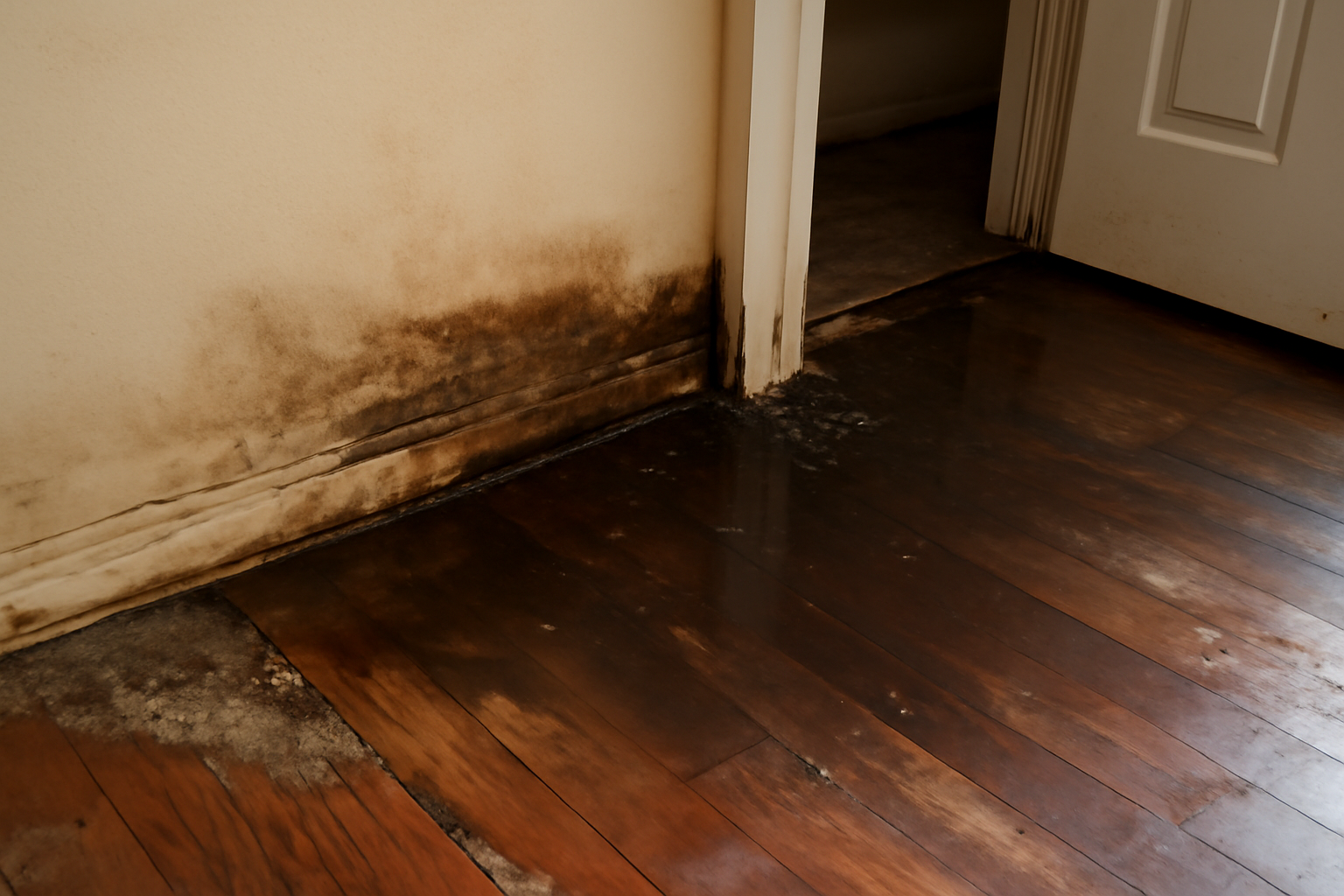
Warning Signs You Need Contaminated Water Removal in Lynnville, IA
Ignoring the warning signs of contaminated water can lead to costly repairs and even health risks. Look out for these common indicators:
Musty Odors That Won’t Go Away
A persistent, unpleasant smell in your home could show the presence of mold or mildew. If you notice a musty odor, especially after a flood or leak, it’s essential to act quickly.
Warped or Discolored Flooring
Changes in flooring texture or color can signal water damage or contamination. If you notice any unusual discoloration or warping, it’s crucial to investigate further.
Water Stains on Walls or Ceilings
Water stains or discoloration on walls or ceilings often show a more significant issue. Don’t ignore these signs, as they can lead to costly repairs and health risks.
Visible Signs of Mold or Mildew
Mold or mildew growth on walls, ceilings, or floors is a clear indication of contaminated water. Don’t delay in addressing this issue, as it can spread quickly and cause serious health problems.
Unusual Sounds or Leaks
Unusual sounds or leaks from pipes, appliances, or roofing can signal a more significant issue. Act quickly to prevent water damage and contamination.
Standing Water or High Humidity
Visible standing water or high humidity levels in your home can create an ideal environment for mold and bacteria growth. Take action to address this issue quickly.
Contaminated Water Removal vs. DIY: When to Call a Professional
| Situation | DIY? | Call a Pro? | Why |
|---|---|---|---|
| Identified source of contamination | Yes | No | Dry the affected area and clean any visible surfaces. |
| Visible signs of mold or mildew | No | Yes | Contaminated water can spread quickly, posing health risks to you and your family. |
| Large area of water damage (over 100 sq. Ft.) | No | Yes | Our team has the necessary equipment and expertise to handle large-scale water damage and contamination. |
| Hidden or hard-to-reach areas | No | Yes | Our technicians are trained to navigate tight spaces and use specialized equipment to access hard-to-reach areas. |
| Immediate health risk (visible mold or bacteria) | No | Yes | Our team will take immediate action to contain and remove the contamination, ensuring your safety and the safety of your family. |
| Previous water damage or contamination issues | No | Yes | Our team will assess the damage, identify the source of contamination, and develop a customized plan to prevent future problems. |
Don’t gamble with your health and property. If you’re unsure about the severity of your contaminated water issue, it’s always best to err on the side of caution and call a professional.
Contaminated Water Removal Cost in Lynnville, IA
The cost of contaminated water removal in Lynnville, IA varies depending on the severity of the damage, the size of the affected area, and local conditions. Here’s a breakdown of what you might expect:
| Service | Typical Price Range | What Affects Cost |
|---|---|---|
| Assessment and Planning | $100 – $500 | Size of affected area and complexity of the job |
| Equipment Setup and Extraction | $500 – $2,000 | Amount of contaminated water and number of equipment units needed |
| Drying and Dehumidification | $500 – $2,000 | Size of the affected area and number of fans and dehumidifiers required |
| Disinfection and Sanitization | $200 – $1,000 | Size of the affected area and number of surfaces to be treated |
| Final Inspection and Cleanup | $100 – $500 | Size of the affected area and complexity of the job |
Keep in mind that these estimates are based on average costs and may vary depending on the specifics of your situation. Our team will provide a detailed estimate after assessing your property.
Service Areas Near Lynnville, IA
We serve the following nearby communities:
Algona, Ankeny, Boone, Carroll, Clemons, Colfax, Dayton, Dexter, Elkhart, Gilbert, Grand Junction, Grimes, Huxley, Perry, Polk City, Reinbeck, Runnells, Saylorville, Sheldahl, Slater, Story City, Urbandale, West Des Moines, Windsor Heights, Woodward, and others.
Common Questions About Contaminated Water Removal
What’s the average cost of contaminated water removal in Lynnville, IA?
The cost of contaminated water removal in Lynnville, IA varies depending on the severity of the damage, the size of the affected area, and local conditions. On average, homeowners can expect to pay between $500 and $5,000 or more, depending on the complexity of the job.
How long does contaminated water removal take?
The duration of contaminated water removal depends on the size of the affected area, the type of contamination, and the complexity of the job. Our team typically completes the process within 3-5 days, but in some cases, it may take longer.
Is contaminated water removal covered by homeowners insurance?
Yes, contaminated water removal is typically covered by homeowners insurance. But, it’s essential to review your policy to understand the specifics of your coverage and any deductibles that may apply.
Can I perform contaminated water removal myself?
No, it’s generally not recommended to try contaminated water removal yourself, especially if you’re dealing with a large area of damage or an immediate health risk. Our team has the necessary training, equipment, and expertise to handle the job safely and efficiently.
How do I prevent contaminated water damage in the future?
To prevent contaminated water damage, ensure your home’s plumbing system is well-maintained, keep an eye out for signs of leaks or water damage, and consider investing in a sump pump or backup power source for your home. Regular inspections and maintenance can also help identify potential issues before they become major problems.


