
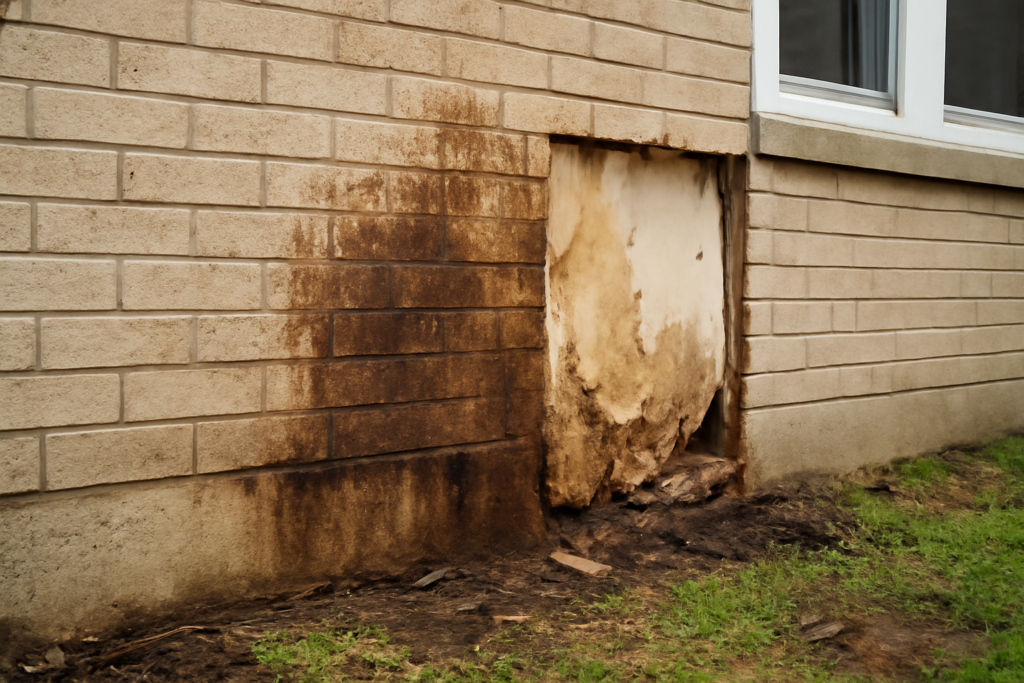
Behind Wall Water Extraction in Boone, IA
Trusted by 10,000+ Homeowners Across the USA
When Spring Rains Flood Behind Walls in Boone, IA
Heavy spring rainfall in Boone, IA, can cause water to seep behind walls, leading to costly damages and long-term issues. You're not alone if you've experienced this problem. Water intrusion can happen anywhere, from your basement to your kitchen, causing hidden problems that you might not even notice. But don't wait until it's too late. Act quickly to prevent further damage and reduce restoration costs. Our team specializes in Behind Wall Water Extraction ensuring your home remains safe and dry.
Why trust us with your Behind Wall Water Extraction needs? With over 165 five-star reviews, you can be confident in our expertise and commitment to customer satisfaction. Locally owned and operated, we understand the unique challenges of water damage in the area and provide customized solutions to meet your specific needs.
- Our team uses advanced equipment and techniques to extract water from behind walls, reducing drying times and reducing damage.
- We use eco-friendly drying agents to prevent mold and bacterial growth, ensuring a healthy environment for you and your family.
- Our Behind Wall Water Extraction service is designed to prevent secondary damages, such as structural issues and electrical hazards.
Our Behind Wall Water Extraction Process: A Step-by-Step Guide
At our company, we understand that a proper Behind Wall Water Extraction process makes all the difference in preventing further damage and ensuring a safe, dry environment. Our team follows a rigorous process to ensure that every step is taken with precision and care. Don't risk further damage by trying to tackle this job alone. Let our experts handle it for you.
Step 1: Inspection and Assessment
Our team begins by conducting a thorough inspection to identify the source and extent of the water damage. We use specialized equipment to pinpoint the affected areas and assess the moisture levels. This step is crucial in determining the best course of action for extraction and drying.
Step 2: Water Extraction
Next, our technicians use advanced equipment, such as truck-mounted extractors and water pumps, to extract the water from behind walls. This process is often faster and more effective than traditional methods, reducing drying times and reducing damage.
Step 3: Drying and Dehumidification
Once the water has been extracted, our team uses specialized drying equipment and dehumidifiers to remove excess moisture from the area. This step is critical in preventing mold and bacterial growth, ensuring a healthy environment for you and your family.
Step 4: Cleaning and Sanitizing
After the drying process is complete, our team thoroughly cleans and sanitizes the area to prevent any remaining moisture from causing further damage. We use eco-friendly cleaning agents to ensure a safe and healthy environment.
Step 5: Final Inspection and Verification
Our team conducts a final inspection to ensure that the area is completely dry and free from any remaining moisture. We verify that the Behind Wall Water Extraction process has been completed successfully, providing you with peace of mind and a safe, dry environment.
Don't wait to address your Behind Wall Water Extraction needs. Act now to prevent further damage and ensure a safe, dry home. Our team is ready to help.
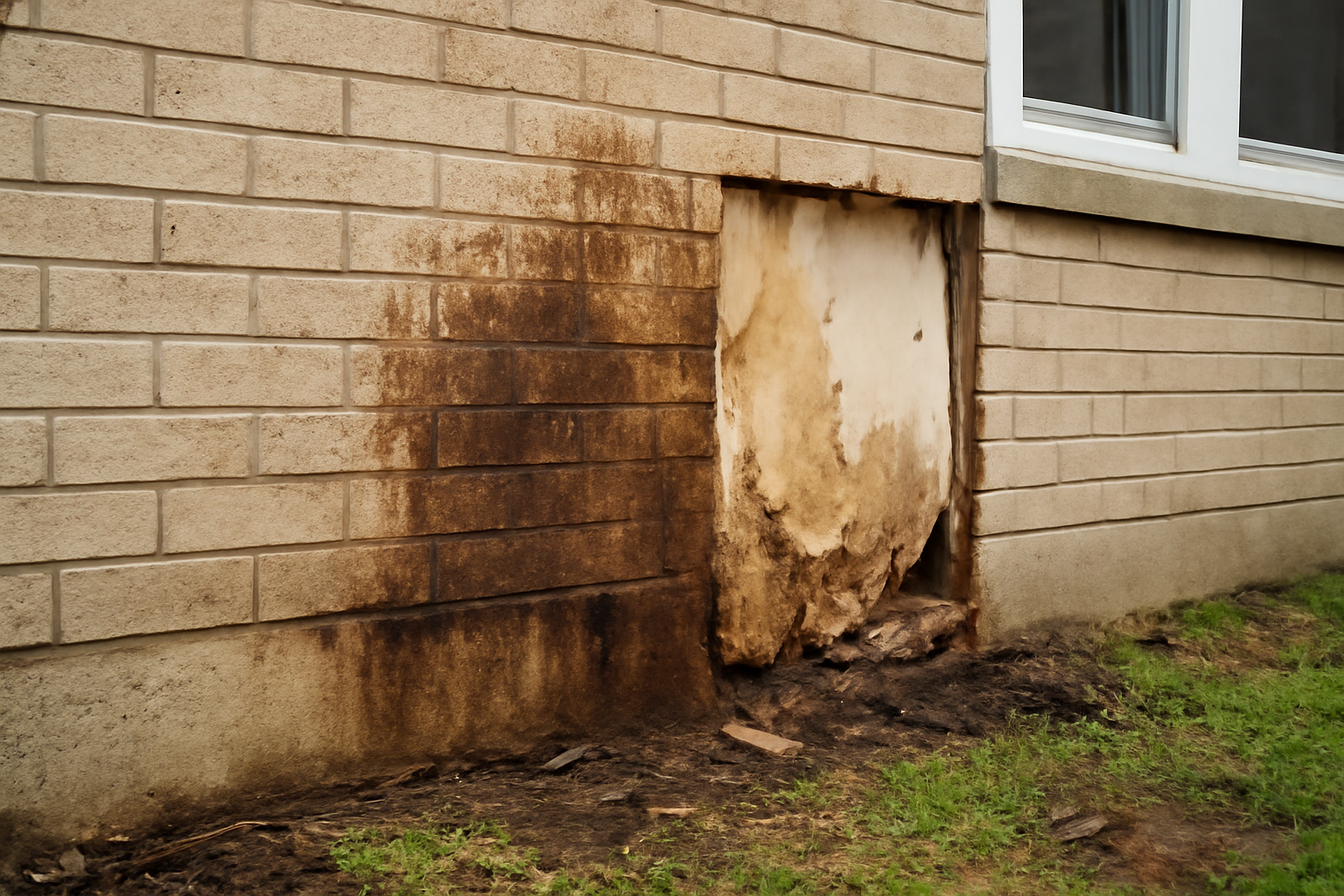
Warning Signs You Need Behind Wall Water Extraction
Ignoring warning signs can lead to costly repairs and long-term issues. You owe it to yourself to address these issues before they become major problems. Don't wait until it's too late. Here are some common warning signs that show you need Behind Wall Water Extraction:
Musty Odors That Won't Go Away
Unpleasant odors from behind walls can show moisture buildup, which can lead to mold and bacterial growth. Don't ignore these odors as they can cause serious health issues and structural damage.
Water Stains or Discoloration
Visible water stains or discoloration on walls, ceilings, or floors show moisture intrusion. Address these issues quickly to prevent further damage and costly repairs.
Warped or Buckled Drywall
Warped or buckled drywall can be a sign of water damage behind walls. Don't delay in addressing these issues, as they can lead to further damage and structural instability.
Yellow or Black Mold
Yellow or black mold growth behind walls can be a sign of moisture buildup. Don't risk your health by ignoring these warning signs. Our team can help you address these issues safely and effectively.
Unusual Sounds or Creaks
Unusual sounds or creaks from walls or floors can show moisture buildup or structural instability. Don't ignore these warning signs as they can lead to costly repairs and long-term issues.
High Humidity Levels
High humidity levels can lead to moisture buildup behind walls, which can cause mold and bacterial growth. Monitor your humidity levels and address any issues quickly to prevent further damage.
Behind Wall Water Extraction vs. DIY: When to Call a Professional
| Situation | DIY? | Call a Pro? | Why |
|---|---|---|---|
| Water damage behind walls in a small area (less than 10 sq. Ft.) | Yes | No | DIY methods can be effective for small areas, but be cautious not to spread the damage further. |
| Water damage behind walls in a large area (over 100 sq. Ft.) | No | Yes | Professional equipment and expertise are necessary to safely and effectively extract water from large areas. |
| Water damage behind walls with visible mold growth | No | Yes | Mold growth needs specialized equipment and expertise to safely and effectively remove. |
| Water damage behind walls with structural instability | No | Yes | Structural instability needs professional assessment and repair to prevent further damage and safety risks. |
| Water damage behind walls in a high-traffic area | No | Yes | High-traffic areas need specialized equipment and expertise to reduce downtime and prevent further damage. |
While DIY methods can be effective for small areas or minor damage, don't risk further damage by trying to tackle Behind Wall Water Extraction alone. Our team has the expertise and equipment to safely and effectively extract water from behind walls, ensuring a safe, dry environment for you and your family.
Behind Wall Water Extraction Cost in Boone, IA
The cost of Behind Wall Water Extraction in Boone, IA, can vary depending on the severity of the damage, the size of the affected area, and local conditions. Don't ignore these costs as they can add up quickly and cause long-term issues. Here are some estimated price ranges for our Behind Wall Water Extraction services:
| Service | Typical Price Range | What Affects Cost |
|---|---|---|
| Behind Wall Water Extraction (small area, less than 10 sq. Ft.) | $500 - $1,500 | Size of affected area, severity of damage, and local conditions. |
| Behind Wall Water Extraction (medium area, 10-50 sq. Ft.) | $1,500 - $4,000 | Size of affected area, severity of damage, and local conditions. |
| Behind Wall Water Extraction (large area, over 100 sq. Ft.) | $4,000 - $10,000 | Size of affected area, severity of damage, and local conditions. |
| Behind Wall Water Extraction with mold growth removal | $2,000 - $6,000 | Size of affected area, severity of damage, and local conditions. |
| Behind Wall Water Extraction with structural repair | $5,000 - $15,000 | Size of affected area, severity of damage, and local conditions. |
Exact pricing depends on an on-site assessment and can vary depending on the specific circumstances of your water damage. Don't delay in contacting us for a free estimate and to schedule your Behind Wall Water Extraction service.
Service Areas Near Boone, IA
We serve the following areas:
Madison County, Grundy County, Hamilton County, Story County, Jasper County, Boone County, Dallas County, Polk County, Marion County, Warren County, Jasper County, Poweshiek County, Tama County, Benton County, Linn County, Black Hawk County, Buchanan County, Delaware County.
Common Questions About Behind Wall Water Extraction
Q: What causes water damage behind walls in Boone, IA?
A: Heavy rainfall, snowmelt, and poor drainage can lead to water damage behind walls. Don't wait to address these issues, as they can cause costly repairs and long-term problems.
Q: How long does it take to extract water from behind walls?
A: The time it takes to extract water from behind walls depends on the severity of the damage, the size of the affected area, and local conditions. Don't delay in contacting us for a free estimate and to schedule your Behind Wall Water Extraction service.
Q: Is mold growth a sign of poor workmanship?
A: No, mold growth can occur even with proper workmanship. Don't risk your health by ignoring mold growth. Our team can help you address these issues safely and effectively.
Q: Can I use DIY methods to extract water from behind walls?
A: While DIY methods can be effective for small areas or minor damage, don't risk further damage by trying to tackle Behind Wall Water Extraction alone. Our team has the expertise and equipment to safely and effectively extract water from behind walls.
Check Our Other Relevant Services
Serving Boone, IA And Nearby Areas



