Zearing, IA · Story County
Basement Water Damage Restoration in Zearing, IABasement Mold Prevention & Basement Wall Drying
Basement Water Damage Restoration in Zearing runs from basement water extraction and basement floor water removal to basement dehumidification.
Answered 24/7
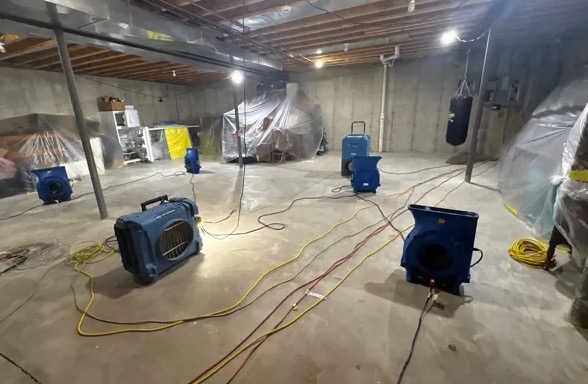
Expert Basement Water Damage Restoration Serving Zearing
In a Zearing home with a basement and a sump pump, a pump that fails during heavy rain lets water rise fast. Furnaces, water heaters, washers and stored belongings all sit at floor level and take the damage first.
A finished basement or lower level in Zearing or McCallsburg, Colo and Hubbard can hide old moisture behind drywall and flooring. The pros find the water and dry the space before more damage sets in.
Professional Basement Water Damage Restoration Offered in Zearing
Basement Mold Prevention
After drying, an antimicrobial can be applied to framing and concrete that were wet, to slow mold on surfaces that stay in place.
Basement Wall Drying
Concrete and block walls are dried with directed airflow and dehumidifiers, and checked with meters until readings drop.
Basement Water Extraction
Basement water is removed before drying starts, because every gallon left behind keeps the walls and air damp.
Basement Floor Water Removal
Wet carpet pad is removed from basement floors, since it holds water against the concrete and dries poorly.
Basement Sewer Backup Cleanup
Porous materials touched by sewage, such as carpet, pad and lower drywall, are removed. Concrete and framing are cleaned and disinfected.
How to Know You Need Basement Water Damage Restoration in Zearing
High Humidity Levels Below-Grade
A basement that stays damp and clammy even on dry days has a moisture source that needs attention.
Damp or Musty Odors
A damp, earthy or musty smell in the basement often means hidden moisture in walls, carpet or the slab.
Sewage Odors or Backups
Sewage smells or water coming up through a floor drain mean the sewer line is backing up.
Standing Water in the Basement
Any standing water on the basement floor needs pumping right away, before it soaks walls and framing.
How Basement Water Damage Restoration Works in Zearing
Step 1: Initial Assessment and Water Removal
The source and type of water are identified, and standing water is removed right away.
Step 2: Focused Drying of Materials
Walls, framing and the slab are dried with directed airflow, with wet insulation removed.
Step 3: Air Quality Management
Air scrubbers filter dust and odors from removal work while drying continues.
Step 4: Documentation for Restoration
Photos, readings and a list of removed materials are prepared for insurance and rebuilding.
Frequent Sources of Water Damage in Zearing
Sump Pump Mechanical Failure
A sump pump that fails, loses power or is too small lets groundwater rise into the basement.
High Water Table and Hydrostatic Pressure
A high water table pushes groundwater up through the slab and into the joints between wall and floor.
Failed or Clogged Drain Tile
Clogged or collapsed drain tile around the foundation lets water build up against the walls.
Window Well Flooding
Window wells without drains or covers fill with rain and leak through basement windows.
Home and Business Basement Water Damage Restoration in Zearing
Residential Basement Water Damage Restoration
A sewer backup in a home basement needs contaminated carpet, pad and drywall removed and every hard surface disinfected before drying.
Commercial Basement Water Damage Restoration
In restaurants and stores with basements, sewage backups need fast containment so contamination does not reach food or customer areas.
Basement Water Damage Restoration vs. DIY: When to Call the Pros
You can move belongings off the floor and run a household dehumidifier. Drying soaked walls and slabs needs larger equipment and moisture readings to confirm the space is truly dry.
Basement Water Damage Restoration Cost in Zearing, IA
The cost of basement water damage restoration in Zearing depends on how much water there is, whether it is clean or sewage and how much finished material must be removed.
Secondary Damage
Damage to furnaces, water heaters and belongings adds repair and replacement costs.
Material Saturation
Finished basements with carpet, drywall and insulation take more removal work than bare concrete.
Affected Square Footage
Larger basements need more extraction, more drying equipment and more days of drying time.
Does Insurance Cover Basement Water Damage Restoration?
Coverage for groundwater seepage and backups varies widely between policies. Ask your adjuster whether your policy includes it before work begins.
Reasons to Hire Local Pros for Basement Water Damage Restoration in Zearing
24/7 Emergency Response
Help is available day or night when water is rising in the basement.
Advanced Moisture Detection
Moisture meters and thermal cameras find water in walls and slabs that looks dry.
Detailed Documentation
Photos, readings and drying logs are kept to support your insurance claim.
Emergency Basement Water Damage Restoration Available in Zearing
Storm night, weekend or holiday, local water damage pros handle flooded basements in Zearing. Call (515) 575-2930 to get the pumps running and the water out.
Call Now (515) 575-2930Basement Water Damage Restoration Serving Zearing, McCallsburg, Colo and Hubbard
Besides Zearing, local water damage pros handle basement pumping, drying and dehumidification in nearby McCallsburg, Colo and Hubbard.
- Basement Water Damage Restoration in McCallsburg
- Basement Water Damage Restoration in Colo
- Basement Water Damage Restoration in Hubbard
- Basement Water Damage Restoration in Roland
- Basement Water Damage Restoration in State Center
- Basement Water Damage Restoration in Nevada
- Basement Water Damage Restoration in Radcliffe
- Basement Water Damage Restoration in Union
- Emergency Damage Restoration in 50278
- Storm Damage Restoration in 50278
- Water Damage Restoration in 50278
- Water Extraction Service in 50278
- Water Leak Detection in 50278
- Water Removal Service in 50278
Frequently Asked Questions About Basement Water Damage Restoration
Is basement floor water removal different from carpet extraction?
Yes. Bare concrete is squeegeed and dried, while carpet and pad need extraction, and the pad is usually replaced.
Can wet basement drywall be saved after water damage?
Sometimes, if the water was clean and removed quickly. Soaked or sewage-contaminated drywall is cut out above the water line.
What are signs of hidden moisture after below-grade water extraction?
Musty smells, tide lines on walls, damp carpet edges and moisture readings that stay high in walls or the slab.
What does below-grade moisture removal include beyond pumping?
Extracting carpet and pad, opening wet walls, running air movers and dehumidifiers, and checking readings until dry.
What is the purpose of basement wall drying?
To remove water from drywall, insulation, framing and concrete so the walls can be repaired without trapping moisture.