Hubbard, IA · Hardin County
Basement Water Damage Restoration in Hubbard, IABasement Water Extraction & Emergency Basement Flood Cleanup
Basement Water Damage Restoration in Hubbard runs from basement water extraction and basement floor water removal to basement dehumidification.
Answered 24/7
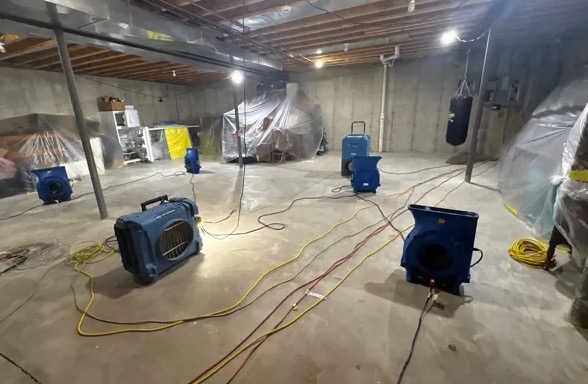
Basement Water Damage Restoration for Hubbard Homes
In a Hubbard home with a basement and a sump pump, a pump that fails during heavy rain lets water rise fast. Furnaces, water heaters, washers and stored belongings all sit at floor level and take the damage first.
In Hubbard, a home with a basement or below-grade room can flood after heavy rain or a blocked sewer line. Local water damage pros serve Hubbard, Radcliffe, Zearing and McCallsburg, pumping out water and drying finished and unfinished spaces.
Professional Basement Water Damage Restoration Offered in Hubbard
Basement Water Extraction
Submersible pumps remove deep standing water, then portable extractors pull water from carpet, pad and the concrete floor.
Emergency Basement Flood Cleanup
Emergency cleanup starts with stopping the source where possible, checking for electrical hazards and pumping out the water.
Basement Sewer Backup Cleanup
Porous materials touched by sewage, such as carpet, pad and lower drywall, are removed. Concrete and framing are cleaned and disinfected.
Basement Mold Prevention
Keeping basement humidity low after drying helps prevent mold from returning, especially in finished spaces.
Basement Drying Services
Equipment is adjusted each day based on moisture readings until every material reaches its normal level.
Warning Signs You Need Basement Water Damage Restoration
Peeling Paint or Wallpaper
Paint that peels or blisters on basement walls often has moisture behind it.
Damp or Musty Odors
A damp, earthy or musty smell in the basement often means hidden moisture in walls, carpet or the slab.
Sump Pump Failure or Overflow
A sump pump that runs constantly, fails to start or lets the pit overflow puts the basement at risk.
Mold on Surfaces
Dark spots on drywall, framing or stored boxes mean the area has stayed wet for days.
How Basement Water Damage Restoration Works in Hubbard
Step 1: Water Removal
Pumps and extractors remove standing water from the basement floor, starting at the lowest point.
Step 2: Targeted Moisture Evaporation
Air movers are aimed at wet walls, framing and the slab to speed evaporation.
Step 3: Humidity Control
Large dehumidifiers pull moisture from the basement air, with readings checked every day.
Step 4: Final Verification and Restoration
Final readings confirm the basement is dry, and the space is ready for drywall and flooring repairs.
Why Basement Water Damage Occurs in Hubbard
Sewer Line Backups
A blocked or overloaded sewer line pushes wastewater up through basement drains and toilets.
Foundation Cracks and Leaks
Cracks in foundation walls let groundwater and melting snow seep into the basement.
Stormwater Runoff Into Lower Levels
Heavy rain running off hard ground or a sloped yard can pour down stairwells and under doors into below-grade rooms.
Water Heater or Appliance Leaks
Water heaters, washers and utility sinks in the basement can leak or fail without warning.
Both Residential & Commercial Basement Water Damage Restoration in Hubbard
Residential Basement Water Damage Restoration
A sewer backup in a home basement needs contaminated carpet, pad and drywall removed and every hard surface disinfected before drying.
Commercial Basement Water Damage Restoration
In restaurants and stores with basements, sewage backups need fast containment so contamination does not reach food or customer areas.
Basement Water Damage Restoration vs. DIY: When to Call the Pros
Fans alone can push damp air into the rest of the house. Basement drying needs dehumidifiers to pull the moisture out of the air and the concrete.
Understanding Basement Water Damage Restoration Pricing in Hubbard
In Hubbard, basement jobs often run longer than upper-floor jobs because concrete dries slowly. Equipment days make up much of the bill.
Water Category
Clean water costs less to handle than sewage, which needs protective gear, removal and disinfection.
Emergency Service
Night, weekend and storm calls can cost more than a scheduled visit.
Affected Square Footage
Larger basements need more extraction, more drying equipment and more days of drying time.
Does Insurance Cover Basement Water Damage Restoration?
Coverage for groundwater seepage and backups varies widely between policies. Ask your adjuster whether your policy includes it before work begins.
Why Choose Local Pros for Basement Water Damage Restoration in Hubbard
Mold Prevention Focus
Fast drying is the main way to limit microbial growth in a below-grade space.
Industry Drying Standards
Drying follows industry water damage standards, with readings taken at every visit.
Detailed Documentation
Photos, readings and drying logs are kept to support your insurance claim.
24/7 Emergency Basement Water Damage Restoration for Hubbard
Storm night, weekend or holiday, local water damage pros handle flooded basements in Hubbard. Call (515) 575-2930 to get the pumps running and the water out.
Call Now (515) 575-2930Regions Served for Basement Water Damage Restoration Near Hubbard
Need basement water damage restoration outside Hubbard? Service also covers Radcliffe, Zearing and McCallsburg, including emergency help during storms.
- Basement Water Damage Restoration in Radcliffe
- Basement Water Damage Restoration in Zearing
- Basement Water Damage Restoration in McCallsburg
- Basement Water Damage Restoration in Eldora
- Basement Water Damage Restoration in Union
- Basement Water Damage Restoration in Ellsworth
- Basement Water Damage Restoration in Roland
- Basement Water Damage Restoration in Iowa Falls
- Emergency Damage Restoration in 50122
- Storm Damage Restoration in 50122
- Water Damage Restoration in 50122
- Water Extraction Service in 50122
- Water Leak Detection in 50122
- Water Removal Service in 50122
Basement Water Damage Restoration FAQs
What are signs of hidden moisture after below-grade water extraction?
Musty smells, tide lines on walls, damp carpet edges and moisture readings that stay high in walls or the slab.
Why is dehumidification so important after basement water removal?
Basements hold moisture in the air and concrete. Without dehumidifiers, walls and framing stay damp long after the water is gone.
What does below-grade moisture removal include beyond pumping?
Extracting carpet and pad, opening wet walls, running air movers and dehumidifiers, and checking readings until dry.
Why is quick action important for below-grade flood restoration?
Basements dry slowly, so every hour of standing water adds days of drying and more material to replace.
Should I try below-grade waterproofing myself after flooding?
Sealing a small crack can be a DIY job, but drying must come first, and larger waterproofing work should go to a contractor.