Sully, IA · Jasper County
Attic Water Damage Restoration in Sully, IAEmergency Attic Water Extraction & Wet Attic Insulation Removal
Attic Water Damage Restoration in Sully runs from roof leak water removal and attic leak water cleanup to attic drying services.
Answered 24/7
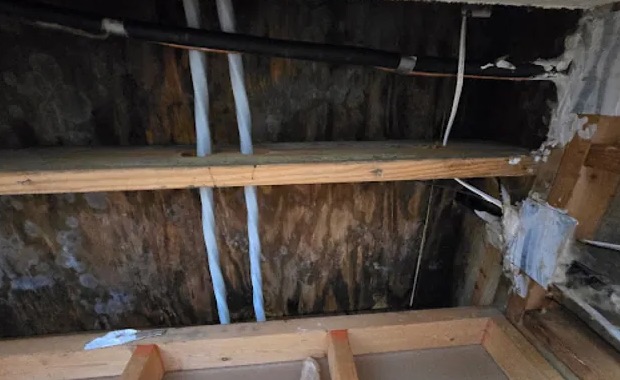
Local Attic Water Damage Restoration for Sully Homes
After a storm in Sully, water can come into the attic through lifted shingles, damaged vents or a hole from a fallen limb. Getting it out quickly keeps the ceiling below intact.
Homeowners in Sully can call (515) 575-2930 day or night when water is dripping from the ceiling. Service also covers Lynnville, Kellogg and Pella, with the same attic inspection and drying process.
Detailed Attic Water Damage Restoration Solutions
Emergency Attic Water Extraction
Help is available any hour when water is pouring into the attic during a storm or from a burst pipe, before it soaks through the ceiling.
Wet Attic Insulation Removal
Blown-in insulation that got wet clumps and packs down. It is vacuumed out of the affected area and replaced after the attic is dry.
Attic Moisture Inspection
Readings are recorded before and during drying, giving you and your insurer a clear record of the attic damage.
Attic Mold Prevention
Poor ventilation keeps attics damp. Blocked soffit vents or a disconnected bath fan duct are pointed out so moisture does not return.
Roof Leak Water Removal
A tarp can be placed over the damaged roof section to stop more rain from getting in while drying begins below.
Warning Signs You Need Attic Water Damage Restoration
Crumbling Drywall Tape
Ceiling drywall tape that bubbles, cracks or peels usually means water is soaking the seams.
Peeling Paint or Wallpaper
Paint that bubbles or peels on upstairs ceilings and walls often has water behind it.
Wet or Sagging Insulation
Insulation that looks matted, dark or compressed, or sags between joists, has absorbed water.
Active Leak During Rain
Water dripping into the attic during rain shows an active roof leak that needs fixing and drying.
How Attic Water Damage Restoration Works in Sully
Step 1: First Call and Inspection
The pros check the attic and ceiling, take photos and note where the water entered the attic.
Step 2: Bulk Water and Debris Removal
Standing water, wet insulation and fallen drywall are removed from the attic and room below.
Step 3: Drying and Monitoring
Readings are taken daily, and equipment is adjusted until every wet material is dry.
Step 4: Detailed Reporting for Insurance
A summary of the damage, the materials removed and the drying results is prepared for your claim.
Why Attics Get Water Damage in Sully
Overflow From Bathroom Exhaust Fans
Bathroom fans that vent into the attic, or have disconnected ducts, release moisture onto the decking.
Failing Roof Valley or Flashing
Worn flashing around valleys, chimneys and skylights lets water run into the attic.
Condensation From Poor Ventilation
Warm, moist air from the house condenses on cold roof decking when the attic is poorly vented.
Roof Leaks and Damaged Shingles
Missing, cracked or lifted shingles let rain reach the roof deck and drip into the attic.
Both Residential & Commercial Attic Water Damage Restoration
Residential Attic Water Damage Restoration
In two-story homes, an attic leak can affect both upstairs ceilings and the walls below them. Each wet area is checked with a meter and dried.
Commercial Attic Water Damage Restoration
Flat-roof commercial buildings often have leaks that travel before dripping. The pros trace the water path to find every wet section above the ceiling.
Handling Attic Water Damage: DIY Risks vs. Pro Help
Fans in the room below will not dry an attic. The wood and insulation above need dehumidifiers and air movers placed in the attic, with readings to confirm they are dry.
What Influences Attic Water Damage Restoration Expenses?
In Sully, insulation removal and ceiling repair often make up a large share of the bill, along with drying equipment days in the attic.
Affected Attic Materials
Wet insulation, decking and ceiling drywall that must be removed add labor and disposal costs.
Type of Water Involved
Clean rainwater is simpler to handle than water from a drain or a contaminated source.
Extent of Water Intrusion
A small leak at one spot costs less to dry than water spread across the attic and the rooms below.
Does Insurance Cover Attic Water Damage Restoration?
Ceiling damage below an attic leak is usually handled as part of the same claim. Make sure the adjuster sees both the attic and the room below.
Selecting Local Pros for Attic Water Damage Restoration in Sully, IA
Mold Prevention Focus
Fast drying of wood framing is the main way to limit microbial growth after a leak.
Advanced Moisture Detection
Moisture meters and thermal cameras find wet insulation, wood and drywall that look dry.
Detailed Documentation
Photos, readings and drying logs are kept to support your insurance claim.
Emergency Attic Water Removal Available Now
Water dripping from your ceiling in Sully? Put a bucket under it, move belongings and call (515) 575-2930. Help for attic leaks is available 24/7.
Call Now (515) 575-2930Providing Attic Water Damage Restoration to Surrounding Communities
Help with attic water damage restoration reaches Lynnville, Kellogg and Pella, plus other communities around Sully, for single-story and two-story homes alike.
- Attic Water Damage Restoration in Lynnville
- Attic Water Damage Restoration in Kellogg
- Attic Water Damage Restoration in Pella
- Attic Water Damage Restoration in Grinnell
- Attic Water Damage Restoration in Newton
- Attic Water Damage Restoration in Monroe
- Attic Water Damage Restoration in Montezuma
- Attic Water Damage Restoration in Prairie City
- Emergency Damage Restoration in 50251
- Storm Damage Restoration in 50251
- Water Damage Restoration in 50251
- Water Extraction Service in 50251
- Water Leak Detection in 50251
- Water Removal Service in 50251
Frequently Asked Attic Water Damage Restoration Questions
How do I know the attic is completely dry?
Moisture readings on decking, rafters and the ceiling are compared to unaffected dry areas until they match.
Why is an attic moisture inspection important after a leak?
Water spreads along rafters and insulation away from the drip point. Meters find all of it, so nothing is left wet.
What are the first steps after finding attic water damage?
Catch active drips, move belongings out of the room below, keep away from sagging ceilings and call for an inspection and water removal.
Is attic mold prevention always needed after water damage?
Fast drying is always needed. Antimicrobial treatment is added when wood stayed wet long enough to need it.
What is structural drying for an attic?
Drying the rafters, joists and roof decking with directed airflow and dehumidifiers until moisture readings return to normal.