Sully, IA · Jasper County
Roof Leak Water Removal in Sully, IAAttic Water Extraction & Structural Drying Services
Roof Leak Water Removal in Sully covers emergency roof tarping, attic water extraction, ceiling water damage cleanup and wet insulation removal.
Answered 24/7
Roof Leak Cleanup and Drying in Sully
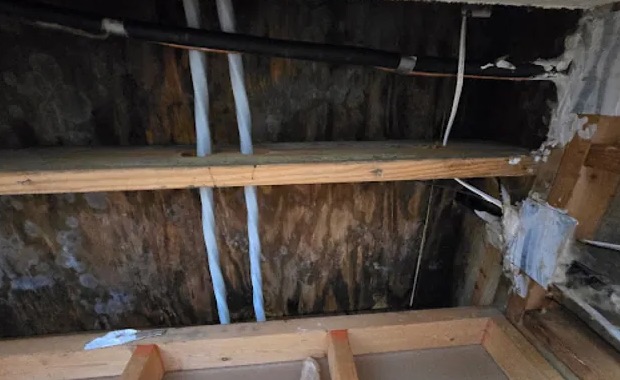
In Sully, roof leaks tend to show up during or right after heavy rain, when water finds a worn shingle, a cracked boot or loose flashing.
Roof leak water removal is available in Sully and nearby Lynnville, Kellogg and Pella. The pros tarp the opening if needed, extract the water and dry the attic framing and ceiling drywall.
Roof Leak Cleanup Services in Sully, IA
Attic Water Extraction
The pros remove standing water from the attic first, because a ceiling holding water can sag and give way under the weight.
Structural Drying Services
Wet framing in Sully attics is dried with directed airflow and dehumidification. Daily readings show when the wood is dry enough for repairs.
Emergency Roof Tarping
When shingles are torn or a branch has punched a hole, the pros cover the opening with a weighted or battened tarp before they start drying the attic.
Wet Contents Protection
Wet contents are sorted into items that can be dried and items that cannot. A photo list of each is kept for the insurance claim.
Leak Source Identification
The pros follow the water trail from the stain up through the attic to the decking, flashing or vent where rain is getting in, and note it for the roofer.
When a Roof Leak Needs Water Removal
Musty Smell After Rain
A damp, musty smell that gets stronger after storms often means insulation in the attic is staying wet.
Daylight Through the Roof Deck
Light showing through the decking from inside the attic marks a gap where rain can come straight in.
Water Stains on the Ceiling
Brown or yellow rings on the ceiling, often growing after each rain, mean water is reaching the drywall from above.
Wet or Flattened Insulation
Insulation that is matted, stained or damp to the touch in the attic means rain is getting past the roof deck.
How Roof Leak Water Removal Works in Sully
Step 1: Protect the Rooms Below
Furniture and belongings under the leak are moved or covered, and floors are protected before any ceiling work begins.
Step 2: Drain and Open the Ceiling
Water trapped above the ceiling is drained through a small hole, and soft drywall is removed to reach the wet cavity.
Step 3: Dry Walls and Framing
Wall cavities under the leak are checked and dried along with the joists and top plates the water ran across.
Step 4: Document for the Claim
Photos, moisture logs and a list of removed materials are put together for you to share with your insurer.
Causes of Ceiling Water Damage in Sully
Attic Condensation
Warm, humid indoor air meeting a cold roof deck in winter forms frost and drips that can look like a leak and soak insulation.
Worn Flashing
Flashing around chimneys, skylights and wall joints can crack, rust or pull loose, and water runs in along the gap.
Storm Debris and Hail
Falling branches and hail can crack shingles or puncture the deck, opening a direct path for rain into the attic.
Nail Pops and Old Penetrations
Nails that back out and holes left from old dishes or antennas open small paths for water that grow with each storm.
Residential and Commercial Roof Leak Water Removal in Sully
Residential Roof Leak Water Removal
Persistent roof leaks can rot rafters and roof decking. The pros dry the framing and point out any wood that looks soft so the roofer can replace it.
Commercial Roof Leak Water Removal
In multi-tenant buildings, water from one roof leak can reach several floors. The pros trace it down through each level and dry every space it reached.
When a Roof Leak Is Too Big for DIY
Move furniture, electronics and rugs out from under the leak, and set buckets under steady drips. Lay towels to keep water from spreading across wood or carpet floors.
Roof Leak Water Removal Cost in Sully, IA
Roof leak cleanup is usually priced on the area affected, the equipment used and the days it runs. After-hours calls during a storm can add to the price.
Belongings in the Way
Moving and drying furniture, stored boxes and electronics under the leak adds time to the job.
How Long It Leaked
A leak caught during the first storm usually means less wet material than one that has been dripping into the attic for weeks.
Size of the Wet Area
The square footage of wet attic, ceiling and wall sets how much equipment is needed and how long it runs.
Does Insurance Cover Roof Leak Water Removal?
Many homeowner policies cover sudden roof leaks caused by a storm or falling tree, but not leaks from wear and age. Your insurer decides what is covered.
Why Roof Leaks Need Professional Drying in Sully
One Job, Start to Finish
Tarping, extraction, insulation removal and drying happen in order, so each step is not left waiting on another company.
Notes for the Roofer
The entry point and the path the water took are documented so the roofer knows exactly where to look.
Finding Hidden Water
Thermal cameras and moisture meters find wet insulation and wall cavities that are not visible from the room below.
Around-the-Clock Roof Leak Water Removal in Sully
Do not wait for a dry day to deal with a roof leak. Call (515) 575-2930 24/7 to stop the water and start drying the attic and ceilings.
Call Now (515) 575-2930Local Roof Leak Water Removal Coverage for Sully
A stained ceiling in Sully often means water is sitting in the attic. Local roof leak water removal pros help homes here and in nearby Lynnville, Kellogg and Pella.
- Roof Leak Water Removal in Lynnville
- Roof Leak Water Removal in Kellogg
- Roof Leak Water Removal in Pella
- Roof Leak Water Removal in Grinnell
- Roof Leak Water Removal in Newton
- Roof Leak Water Removal in Monroe
- Roof Leak Water Removal in Montezuma
- Roof Leak Water Removal in Prairie City
- Emergency Damage Restoration in 50251
- Storm Damage Restoration in 50251
- Water Damage Restoration in 50251
- Water Extraction Service in 50251
- Water Leak Detection in 50251
- Water Removal Service in 50251
FAQ: Roof Leaks, Attics and Ceilings
Why does wet insulation have to come out?
Wet insulation stays damp for a long time, holds water against the ceiling and framing, and stops insulating. Removing it lets the attic dry.
How long does it take to dry an attic after a roof leak?
Drying usually takes three to five days, depending on how wet the wood is and how much insulation came out. Readings decide when it is done.
Will water removal fix my roof?
No. Water removal dries the inside of the house. The pros can tarp the opening, but a roofer must replace shingles, flashing or decking.
Can a roof leak cause mold in the attic?
Yes, if the wood and insulation stay wet. Prompt extraction and drying, plus removing soaked insulation, keep the attic from staying damp long enough for mold.
Does every roof leak lead to mold?
No. Mold needs materials to stay wet for a day or more. When water is removed and the attic is dried promptly, mold usually does not take hold.