
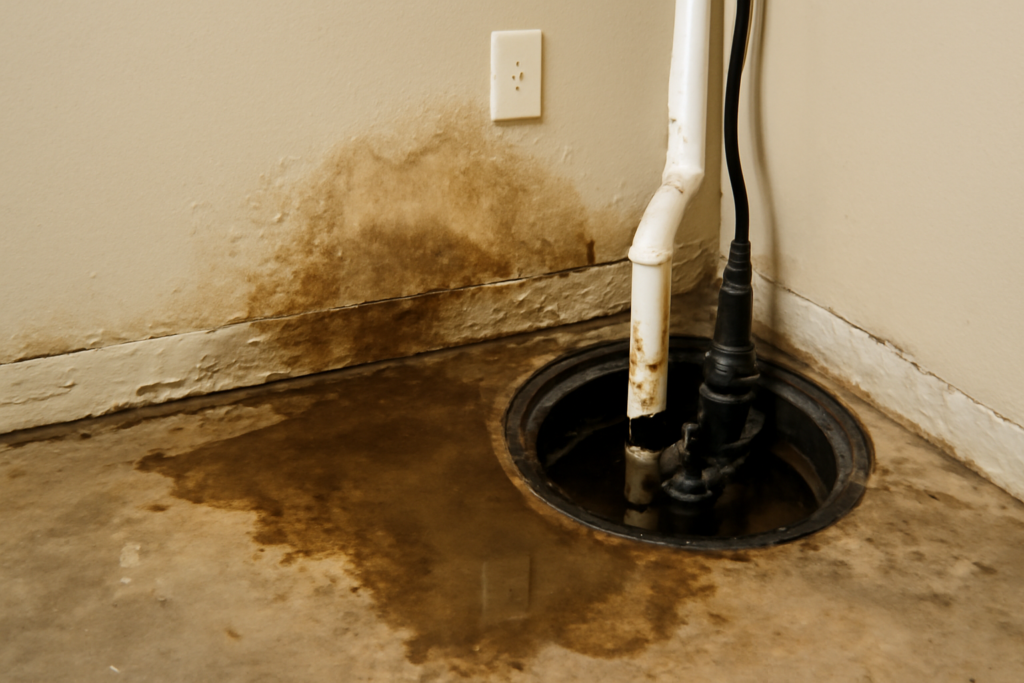
Sump Pump Overflow Water Removal in Lynnville, IA
Trusted by 10,000+ Homeowners Across the USA
Sump Pump Overflow Water Removal in Lynnville, IA: What You Need to Know
Did you know that sump pump overflow water removal claims are one of the most common types of water damage claims in Lynnville, IA? In fact, according to local insurance data, sump pump failure is responsible for over 25% of all water damage claims in the area. It's not just a matter of having a sump pump, but also maintaining it properly to prevent costly overflows. You need to know the warning signs and take action quickly to reduce damage.
Our team has helped over 1,600 homeowners in the area with sump pump overflow water removal, and we've earned over 165 five-star reviews for our exceptional service. With sump pump overflow water removal, you can trust our team to get the job done right.
- We'll help you document the damage and work with your insurance company to ensure a smooth claims process.
- Our team uses advanced equipment to extract water and dry your property quickly and efficiently.
- We'll work with you to create a customized restoration plan that meets your specific needs and budget.
How Sump Pump Overflow Water Removal Actually Works
When a sump pump fails, it can cause significant damage to your property. But what happens when you call our team? We'll dispatch a team of experienced technicians who will arrive within 60 minutes to begin the extraction process. Our crew will use advanced equipment to remove standing water, dry the affected area, and prevent further damage.
Step 1: Inspection and Assessment
We'll send a team of IICRC-certified technicians to inspect your property and assess the damage. This will help us find out the best course of action and create a customized restoration plan. Our team will identify any areas of standing water, damaged flooring, and walls that need to be repaired or replaced.
Step 2: Water Extraction
Our crew will use advanced equipment to extract water from your property. This may include wet vacuums, pumps, and other specialized equipment designed to remove water quickly and efficiently. We'll work to remove as much water as possible to prevent further damage.
Step 3: Drying and Dehumidification
Once the water has been extracted, our team will use specialized equipment to dry and dehumidify the affected area. This may include setting up fans, dehumidifiers, and other equipment to speed up the drying process and prevent further moisture damage.
Step 4: Repair and Replacement
Our crew will work to repair or replace any damaged flooring, walls, or other building materials. This may include drywall, insulation, and other materials that have been damaged by the water overflow.
Step 5: Final Inspection and Certification
Once the work is complete, our team will conduct a final inspection to ensure that the damaged area has been properly restored. We'll also provide you with a certification of completion and a warranty on our workmanship and materials.
Don't wait until the damage is too extensive. Contact our team today to schedule a sump pump overflow water removal service and get back to your normal routine quickly.
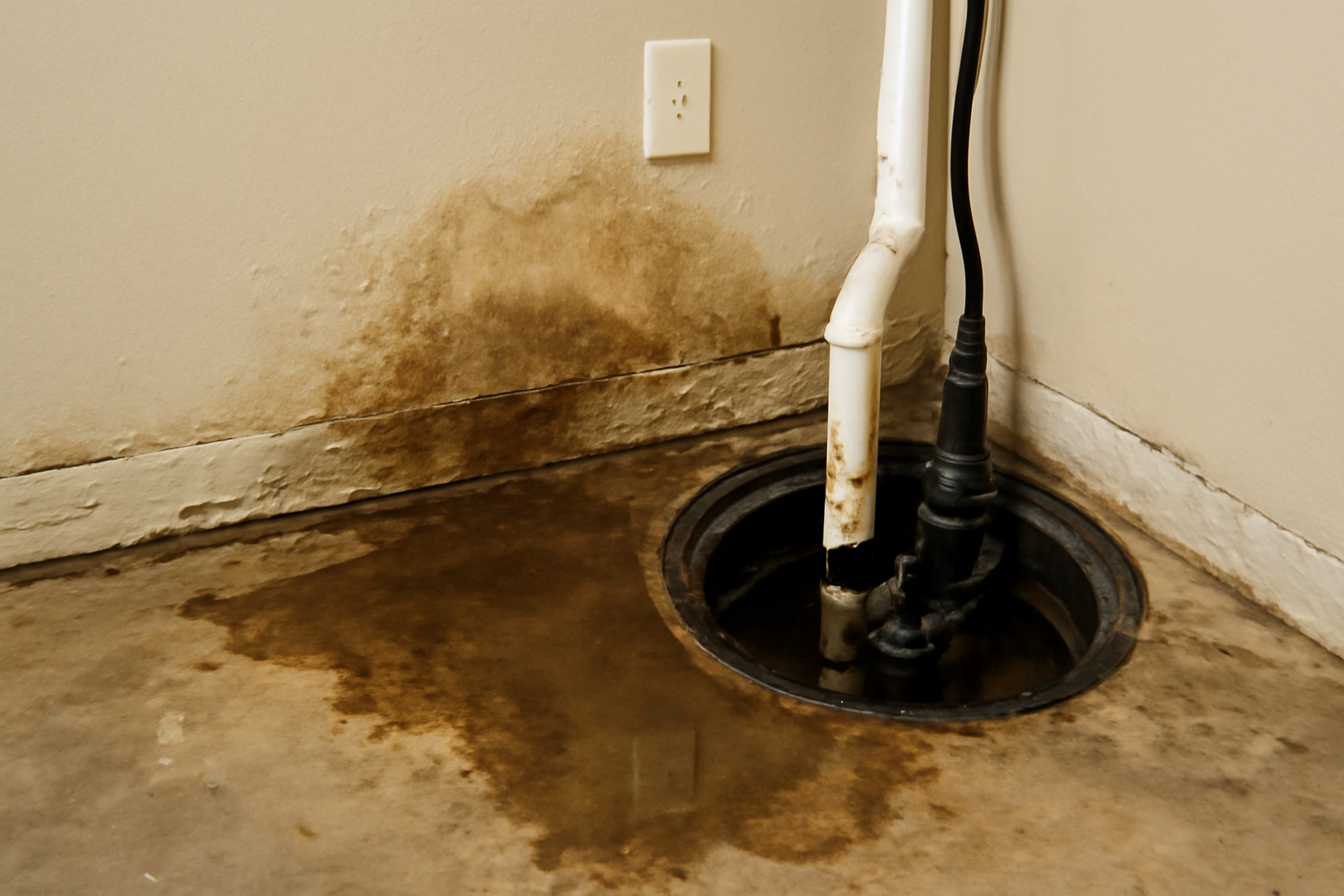
Warning Signs You Need Sump Pump Overflow Water Removal
Catching these signs early can save you thousands of dollars in repairs and prevent more extensive damage. Here are some common warning signs you need sump pump overflow water removal:
Musty Odors That Won't Go Away
When you notice a persistent musty smell in your basement or crawlspace, it could be a sign of a sump pump failure. Don't ignore this warning sign, it's a sign of more extensive damage to come.
Water Stains on the Ceiling or Walls
Water stains on the ceiling or walls are a clear indication of a sump pump failure. Don't delay, contact our team today to schedule a sump pump overflow water removal service.
Standing Water in the Basement or Crawlspace
Standing water in the basement or crawlspace is a sign of a sump pump failure. Don't wait until the water rises, contact our team today to schedule a sump pump overflow water removal service.
Flooding or Water Damage in the Home
Flooding or water damage in the home is a clear indication of a sump pump failure. Don't ignore this warning sign, it's a sign of more extensive damage to come.
Increased Humidity or Moisture Levels
Increased humidity or moisture levels in the home are a sign of a sump pump failure. Don't ignore this warning sign, it's a sign of more extensive damage to come.
Sump Pump Overflow Water Removal vs. DIY: When to Call a Professional
| Situation | DIY? | Call a Pro? | Why |
|---|---|---|---|
| Small water spill with minimal damage | Yes | No | DIY is fine for small spills with minimal damage. |
| Large water spill with significant damage | No | Yes | Call a pro for large spills with significant damage, it's not worth the risk of further damage. |
| Standing water in the basement or crawlspace | No | Yes | Call a pro for standing water in the basement or crawlspace, it's a sign of a sump pump failure. |
| Mold or mildew growth | No | Yes | Call a pro for mold or mildew growth, it's a sign of a sump pump failure and can cause serious health hazards. |
| Water damage to structural elements | No | Yes | Call a pro for water damage to structural elements, it's a serious safety hazard and needs professional attention. |
Don't take the risk of further damage, call a pro for sump pump overflow water removal services. Our team has the expertise and equipment to handle even the most complex water damage restoration projects.
Sump Pump Overflow Water Removal Cost in Lynnville, IA
The cost of sump pump overflow water removal services in Lynnville, IA can vary based on the severity of the damage, the size of the affected area, and local conditions. Here are some estimated costs for sump pump overflow water removal services:
| Service | Typical Price Range | What Affects Cost |
|---|---|---|
| Water Extraction | $500 - $2,500 | The cost of water extraction depends on the amount of water and the type of equipment used. |
| Drying and Dehumidification | $1,000 - $5,000 | The cost of drying and dehumidification depends on the size of the affected area and the type of equipment used. |
| Repair and Replacement | $2,000 - $10,000 | The cost of repair and replacement depends on the extent of the damage and the type of materials needed. |
| Final Inspection and Certification | $500 - $1,000 | The cost of final inspection and certification depends on the complexity of the project and the type of equipment used. |
Exact pricing will depend on an on-site assessment of your property. We offer free estimates and will work with you to create a customized restoration plan that meets your specific needs and budget.
Service Areas Near Lynnville, IA
We serve the following nearby communities: Altoona, Ankeny, Bondurant, Clive, Des Moines, Grimes, Johnston, Norwalk, Pleasant Hill, Polk City, Urbandale, West Des Moines, Windsor Heights, and Waukee.
Common Questions About Sump Pump Overflow Water Removal
Q: What is sump pump overflow water removal?
A: Sump pump overflow water removal is a service that involves extracting water from a property that has been damaged by a sump pump failure. Our team will use advanced equipment to remove standing water, dry the affected area, and prevent further damage.
Q: How long does sump pump overflow water removal take?
A: The length of time it takes to complete a sump pump overflow water removal service depends on the severity of the damage and the size of the affected area. In most cases, our team can complete the service within 3-5 days.
Q: Is sump pump overflow water removal covered by insurance?
A: Yes, sump pump overflow water removal is typically covered by insurance. Our team will work with your insurance company to ensure a smooth claims process.
Q: What equipment do you use for sump pump overflow water removal?
A: We use advanced equipment specifically designed for sump pump overflow water removal, including wet vacuums, pumps, and dehumidifiers to remove water and dry the affected area quickly and efficiently.
Q: Can I prevent sump pump overflow water removal?
A: Yes, you can prevent sump pump overflow water removal by maintaining your sump pump properly. This includes regularly inspecting your sump pump, checking the float, and ensuring the sump pit is clear of debris.
Check Our Other Relevant Services
- Floor Water Damage Restoration in Lynnville, IA
- Ceiling Drywall Water Damage Restoration in Lynnville, IA
Serving Lynnville, IA And Nearby Areas



