
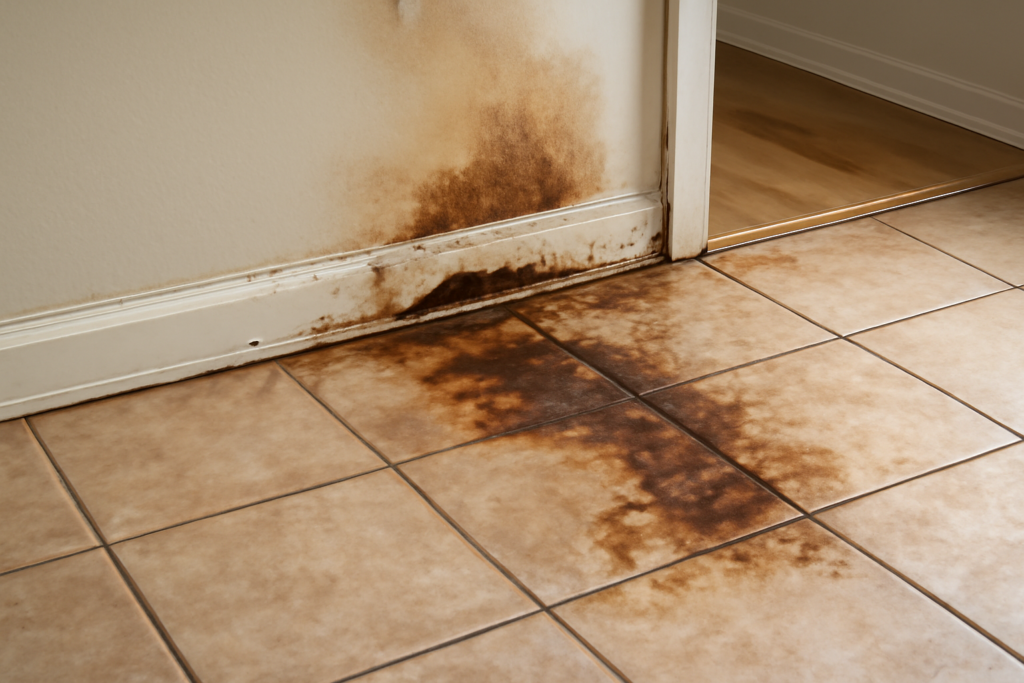
Tile Floor Water Damage Restoration in Elkhart, IA
Trusted by 10,000+ Homeowners Across the USA
Tile Floor Water Damage Restoration in Elkhart, IA: We've Got You Covered
We've been handling tile floor water damage restoration in Elkhart, IA for years, and we know how stressful it can be. Whether it's a burst pipe, a leaky roof, or a flooded basement, you need help fast. Our team of experts is here to guide you through the process, from assessing the damage to restoring your tile floors to their original condition. We've seen it all, from small bathroom leaks to large commercial property floods. Our technicians are IICRC-certified and equipped to handle any tile floor water damage situation in the area.
Our customers rave about our service, with over 165 five-star reviews to prove it. They trust us to get the job done right, and we take pride in delivering on that promise. When you choose us for tile floor water damage restoration, you're getting a team that truly cares about your property and your peace of mind.
- We'll assess the damage and create a customized restoration plan to get your tile floors looking like new.
- We use state-of-the-art equipment to extract water and dry your floors quickly and efficiently.
- We'll work with your insurance company to ensure a smooth claims process.
How Tile Floor Water Damage Restoration Actually Works
Our process is designed to reduce disruption to your daily life. We'll work efficiently to assess the damage, extract the water, and dry your floors. Our technicians use specialized equipment to detect moisture and dry your floors to the correct moisture levels. We'll also take care of any necessary repairs or replacements to get your tile floors back to their original condition.
Step 1: Assessment and Planning
We'll send a trained technician to assess the damage and create a customized restoration plan. This includes identifying the source of the water, assessing the extent of the damage, and creating a timeline for the restoration process. Our technician will also provide a detailed report outlining the recommended course of action.
Step 2: Water Extraction
We'll use specialized equipment to extract the water from your tile floors. This includes powerful pumps and wet vacuums that can handle large volumes of water. Our technicians will work quickly and efficiently to reduce downtime and get your floors back to normal.
Step 3: Drying and Dehumidification
We'll use specialized equipment to dry your tile floors to the correct moisture levels. This includes desiccant dehumidifiers and air movers that can handle large areas. Our technicians will monitor the drying process to ensure your floors are dry and ready for the next step.
Step 4: Repair and Replacement
We'll take care of any necessary repairs or replacements to get your tile floors back to their original condition. This includes replacing damaged tile, grout, or other materials. Our technicians will work with you to ensure the repairs meet your needs and budget.
Don't let tile floor water damage ruin your property. Contact us today to schedule a consultation and let our experts take care of the rest.

Warning Signs You Need Tile Floor Water Damage Restoration
Catching water damage early can save you thousands of dollars in repairs and prevent bigger problems down the road. Here are some warning signs you need tile floor water damage restoration:
Musty Odors That Won't Go Away
Strong, persistent odors in your home can be a sign of water damage. If you notice a musty smell that won't go away, it's time to call a professional.
Warped or Buckled Tile
Water damage can cause tile to warp or buckle, creating an uneven surface. If you notice this happening, it's essential to act quickly to prevent further damage.
Water Stains or Discoloration
Water stains or discoloration on your tile floors can be a sign of water damage. If you notice this happening, it's time to call a professional to assess the damage.
Loose or Cracked Grout
Loose or cracked grout can be a sign of water damage. If you notice this happening, it's essential to act quickly to prevent further damage.
Water Leaks or Drips
Water leaks or drips can be a sign of water damage. If you notice this happening, it's time to call a professional to assess the damage and prevent further issues.
High Humidity or Moisture
High humidity or moisture in your home can be a sign of water damage. If you notice this happening, it's essential to act quickly to prevent further damage.
Tile Floor Water Damage Restoration vs. DIY: When To Call a Professional
| Situation | DIY? | Call a Pro? | Why |
|---|---|---|---|
| Small leak in a bathroom tile floor | Yes | No | DIY is usually enough for small, contained leaks. |
| Large flood in a commercial property | No | Yes | Large floods need specialized equipment and expertise to restore safely and efficiently. |
| Tile floor water damage in a rental property | No | Yes | Professional help is essential to ensure the damage is handled correctly and the tenant's rights are protected. |
| Water damage in a tile floor with a high-end finish | No | Yes | Professional help is necessary to preserve the finish and prevent further damage. |
| Tile floor water damage with mold growth | No | Yes | Mold growth needs specialized equipment and expertise to remove safely and prevent further growth. |
| Tile floor water damage in a historic property | No | Yes | Professional help is essential to preserve the property's historic integrity and prevent further damage. |
With tile floor water damage restoration, it's always best to err on the side of caution and call a professional. Our team has the expertise and equipment to handle any situation safely and efficiently.
Tile Floor Water Damage Restoration Cost in Elkhart, IA
The cost of tile floor water damage restoration can vary depending on the severity of the damage, the size of the affected area, and local conditions in Elkhart, IA. Our estimates typically range from $500 to $2,500, but can be higher in severe cases. We'll work with you to provide a detailed estimate and ensure you understand the costs involved.
| Service | Typical Price Range | What Affects Cost |
|---|---|---|
| Water extraction and drying | $500 - $1,500 | Size of affected area, severity of damage, and equipment used |
| Tile repair or replacement | $500 - $2,000 | Number of tiles replaced, complexity of repair, and materials used |
| Grout repair or replacement | $200 - $1,000 | Size of affected area, severity of damage, and materials used |
| Mold remediation | $500 - $2,000 | Size of affected area, severity of mold growth, and equipment used |
| Dehumidification and drying equipment rental | $100 - $500 | Duration of rental, equipment used, and rental fees |
| Insurance claims help | $0 - $500 | Complexity of claims process, insurance company involved, and fees charged |
Our prices are estimates and may vary based on the specifics of your situation. We'll provide a detailed estimate and work with you to ensure you understand the costs involved.
Service Areas Near Elkhart, IA
We serve the following communities near Elkhart, IA: Algona, Alta, Armstrong, Bancroft, Bode, Bradgate, Burnside, Corwith, Cylinder, Fenton, Gilmore City, Graettinger, Hardy, Humboldt, Kanawha, Laurens, Ledyard, Livermore, Lu Verne, Mallard, Plover, Renwick, Rutland, Sentinel, Sherburn, Somers, Stanhope, Vincent, West Bend, Whittemore, Woolstock, and many more.
Common Questions About Tile Floor Water Damage Restoration
Q: How long does tile floor water damage restoration take?
A: The length of time required for tile floor water damage restoration can vary depending on the severity of the damage, the size of the affected area, and the equipment used. But, most restorations can be completed within 3-5 days.
Q: Is tile floor water damage restoration covered by insurance?
A: In most cases, tile floor water damage restoration is covered by insurance. But, the specifics of your policy and the insurance company involved will find out the extent of coverage.
Q: Can I try to dry my tile floors myself?
A: While it's tempting to try to dry your tile floors yourself, it's generally not recommended. Improper drying techniques can lead to further damage, mold growth, and other issues. It's best to leave it to the professionals.
Q: How do I prevent tile floor water damage in the future?
A: To prevent tile floor water damage, ensure your home is properly sealed, inspect your plumbing regularly, and address any leaks or water damage quickly. You can also consider installing a water detection system to alert you to potential issues.
Q: What happens if I delay tile floor water damage restoration?
A: Delaying tile floor water damage restoration can lead to further damage, mold growth, and other issues. It's essential to act quickly to prevent these problems and ensure a successful restoration.
Check Our Other Relevant Services
Serving Elkhart, IA And Nearby Areas



