Des Moines, IA · Polk County
Structural Mold Removal in Des Moines, IAMold Contaminated Insulation Removal & HVAC Duct Mold Cleaning
For Structural Mold Removal in Des Moines, key steps are HVAC duct mold cleaning, post-remediation structural drying, and mold infested drywall removal.
Answered 24/7
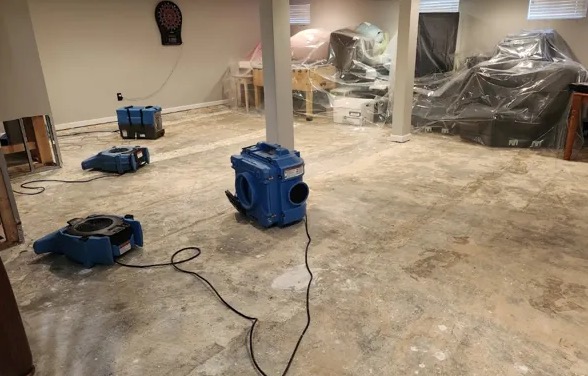
Local Structural Mold Removal for Des Moines Homes
Mold damage restoration in Des Moines addresses both visible destruction and hidden hazards that affect structural stability and indoor air quality. Testing may be needed to find all affected areas in walls, floors and ducts.
In Des Moines, the work includes removing moldy flooring and drying the structure. Nearby places like Windsor Heights, Pleasant Hill and Saylorville share similar restoration needs. Local water damage restoration experts use IICRC-standard methods for mold remediation and cleanup.
Comprehensive Structural Mold Removal in Des Moines
Mold Contaminated Insulation Removal
Wet, moldy insulation loses thermal resistance and must be removed. The process involves extraction using vacuum systems and sealed disposal bags. The cavity is then cleared for new insulation.
HVAC Duct Mold Cleaning
The pros perform thorough internal cleaning of contaminated HVAC ductwork, plenums, and coils to stop spore circulation.
Post-Remediation Structural Drying
Drying after remediation keeps mold from returning. The pros set up targeted drying systems to eliminate residual moisture.
Emergency Mold Containment Setup
Containment comes first when mold growth is heavy. It involves sealing off doorways, vents, and other openings with plastic sheeting and establishing negative pressure within the work area for safety.
Mold Infested Drywall Removal
The pros in Des Moines follow IICRC-standard methods for drywall demolition and disposal, protecting the home from cross-contamination.
Warning Signs You Need Structural Mold Removal
Visible Mold Patches on Walls
Dark spots or fuzzy mold on drywall or wood surfaces indicate active mold damage behind the surface.
Insulation That Feels Damp
Wet or compacted attic or wall insulation stops insulating well and often hides mold growth.
HVAC System With Dusty Smell
Mold in air ducts often circulates a dusty, musty odor whenever the heating or cooling runs.
Condensation on Windows or Pipes
Constant high humidity from condensation promotes mold growth on nearby structural materials and insulation.
How Structural Mold Removal Works in Des Moines
Step 1: Source Stopping and Containment
The first action is to stop the water source if active and set up emergency mold containment to limit cross-contamination immediately.
Step 2: Systematic Demolition of Damaged Parts
Compromised structural elements are methodically removed. This often means removing drywall and opening subfloors.
Step 3: Deep Drying of Building Cavities
Industrial dehumidifiers and air movers dry wall cavities, joist bays, and subfloors thoroughly, a key phase in structural drying.
Step 4: Reconstruction Preparation and Documentation
Pros prepare the clean, dry area for rebuilding and provide documentation like photos and readings for your insurance claim review.
What Causes Mold Structural Damage
Leaking Window or Door Seals
Failed caulking or seals allow rainwater intrusion into wall cavities, leading to mold on framing and insulation.
Flooding From Storms
Stormwater entering a home saturates porous building materials, requiring drying to prevent structural mold damage.
Appliance Overflow Incidents
Washing machine, dishwasher, or water heater failures can flood floors and walls, starting rapid mold growth.
Improper Drying After Water Damage
Incomplete drying after any water incident leaves hidden moisture that turns into mold within days.
Residential and Commercial Structural Mold Removal in Des Moines
Residential Structural Mold Removal
Household mold damage restoration frequently starts in bathrooms, kitchens, and basements where moisture is common. The pros treat the subfloor and remove the mold at its source.
Commercial Structural Mold Removal
For schools or medical facilities, strict protocols govern mold remediation. Pros remove black mold and repair the structure to keep occupants safe and meet code.
When to DIY and When to Hire Structural Damage Restoration Pros for Structural Mold Removal
If you discover a small, surface mold patch on non-porous tile or glass, you can clean it with detergent. However, for any mold on drywall, wood, or insulation, call the pros for structural mold removal to prevent improper handling that spreads spores.
Understanding Structural Mold Removal Costs in Des Moines
The final price reflects the containment needed and how much structural wood must be treated to stop further decay.
Extent of Damage
The square footage of mold-compromised structural materials, from a small section to an entire wall system, dictates labor and material needs.
Testing and Verification
Post-remediation mold testing to confirm clearance adds a final step and associated lab analysis fees.
Containment Level
Establishing negative air pressure and sealing off work zones adds to the project scope and required equipment.
Does Insurance Cover Structural Mold Removal?
Whether a policy covers mold damage restoration hinges on the cause listed. The pros in Des Moines provide detailed documentation of structural damage for a homeowner to submit to their insurer. Review your policy, since your insurer makes all payment decisions.
Reasons to Select Local Pros for Structural Mold Removal
Health-Safe Procedures
Containment and air filtration during mold infested drywall removal help protect indoor air quality in your home.
Structural Damage Focus
The work prioritizes assessing and addressing compromised load-bearing elements and building materials, not just surface mold cleanup.
Targeted Material Treatment
Each material gets its own procedure, such as structural wood versus ducts.
24/7 Emergency Mold Structural Restoration in Des Moines
When mold from water damage compromises your home's framework, urgent action is needed. Reach the specialists at (515) 575-2930 day or night to start containment.
Call Now (515) 575-2930Structural Mold Removal Coverage in and Around Des Moines
For mold that has damaged the structure, not just the surface, it is available in Des Moines. It covers areas like Windsor Heights, Pleasant Hill and Saylorville for tasks from containment to final drying.
Your Structural Mold Removal Questions Addressed
What is involved in mold structural damage restoration?
It includes assessment, containment, removal of moldy materials, treatment of the remaining structure, drying and final testing.
How long does mold structural damage restoration typically take?
The timeline depends on the scope, but a project can range from a few days for a localized issue to a week or more for extensive structural damage repair.
Can structural wood mold treatment save damaged beams?
If the damage is only on the surface, cleaning and antimicrobial treatment can often save the wood. Badly weakened load-bearing members may need to be reinforced or replaced by a contractor.
How is mold and mildew removal from structural elements different?
Mildew is surface-level and can often be cleaned. Deep structural mold gets into materials, so those materials must be removed.
Is mold damaged flooring removal part of structural repair?
Yes, moldy wood or laminate flooring is often removed to reach and treat the subfloor.