Des Moines, IA · Polk County
Sewage Removal & Sanitization in Des Moines, IASewage Odor Removal & Emergency Sewage Extraction
When sewage backs up in Des Moines, Sewage Removal & Sanitization involves emergency sewage extraction, sewage damage cleanup and sewage sanitization.
Answered 24/7
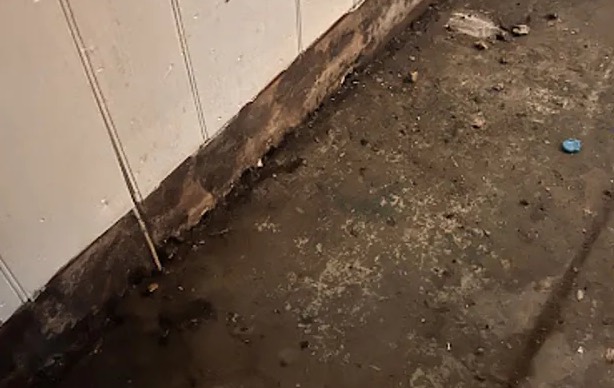
Professional Sewage Removal & Sanitization in Des Moines, IA
For homes in Des Moines, a sewage backup disrupts daily life and creates real health risks. The mess needs cleanup and sanitizing, and delays let moisture spread and odors set in.
Sewage backups in Des Moines homes and businesses need a thorough process to remove health hazards. Local sewage cleanup experts remove and sanitize, also serving areas like Windsor Heights, Pleasant Hill and Saylorville, and explain each step before work begins.
Available Sewage Removal & Sanitization Options
Sewage Odor Removal
Sewage odors soak into materials, so targeted deodorizing is part of the cleanup to leave the air fresh.
Emergency Sewage Extraction
Extraction comes first. The experts pump contaminated water off the floors to limit damage.
Contaminated Carpet Removal
Sewage-soaked carpet and padding usually must be removed. Specialists take them out with containment so contamination does not spread.
Sewage Backup Carpet Cleaning
Pros extract the contaminated water, then clean and sanitize carpet and padding that can be saved after a backup.
Sewage Backup Drywall Repair
The specialists remove porous drywall that sewage reached so the area can be fully sanitized before rebuilding.
Warning Signs You Need Sewage Removal & Sanitization
Sewage Stains on Walls or Floors
Dark stains or water lines on drywall or baseboards mark where sewage has been.
Sewage Backup in Multiple Fixtures
Toilets, showers and sinks backing up at once usually mean the main sewer line is blocked.
Visible Sewage Around Floor Drain
Black water or solids around a basement floor drain confirm a sewage backup.
Damp or Wet Carpet Areas
Unexplained wet spots on carpet near drains or toilets suggest a hidden backup.
How Sewage Removal & Sanitization Works in Des Moines
Step 1: 24/7 Sewage Backup Response
Specialists contain the area to prevent cross-contamination and assess the scope of the cleanup.
Step 2: Thorough Sewage Removal and Cleaning
All visible sewage is extracted, then salvageable surfaces are scrubbed and cleaned.
Step 3: Sewage Sanitization and Disinfection
The whole affected area is disinfected in stages with EPA-approved products by the pros.
Step 4: Post-Cleanup Verification and Testing
Moisture meters confirm drying, and air testing may confirm the space is safe to reoccupy.
Primary Causes of Sewage Issues
Sump Pump Failure or Overflow
A failed sump pump in heavy rain can flood the basement and mix with sewer lines.
Severe Localized Flooding
Flash floods can force water into sewer lines and push sewage indoors.
Foreign Objects in Sewer Line
Toys, gravel or other debris in the main line can stop the flow completely.
Collapsed or Damaged Sewer Pipes
Old clay pipes or pipes shifted by soil can break and stop sewage from flowing out.
Both Residential & Commercial Sewage Removal & Sanitization
Residential Sewage Removal & Sanitization
Sewage can ruin carpet, drywall and belongings within hours. Pros document the damage for insurance, then extract the water and dry the structure.
Commercial Sewage Removal & Sanitization
Restaurants, offices and stores face special risks from sewage. Pros extract it to protect stock and equipment, then sanitize and remove odors.
Hiring Local Specialists for Sewage Backup Cleanup
Note when the backup started and which fixtures were affected for your records and insurance. Do not use chemical drain cleaners, which can make things worse and react with sewage.
Pricing for Sewage Removal & Sanitization Services
The cost in Des Moines depends on how much contaminated water must be extracted, how much material was damaged and how long restoration takes.
Sanitization Protocol
The level of decontamination needed affects the materials and time the job requires.
Documentation Needs
Detailed photos, moisture logs and a damage report for insurance take extra time.
Emergency Response Timing
Emergency calls at night, on weekends or on holidays often involve higher labor rates than a scheduled visit.
Does Insurance Cover Sewage Removal & Sanitization?
Coverage depends on the cause listed in your policy and your specific coverage. Pros provide detailed documentation, and your insurer decides on payment after review.
Why Choose Local Sewage Backup Specialists for Sewage Removal & Sanitization in Des Moines
Advanced Extraction Equipment
Powerful pumps and extractors remove the bulk of the contaminated water quickly.
Structured Drying Process
Industrial air movers and dehumidifiers dry the structure fully after sewage removal.
IICRC-Standard Sanitization
Sanitizing follows accepted industry methods so the area is properly decontaminated for reuse.
24/7 Sewage Removal & Sanitization Assistance
An active sewage backup needs professional sanitizing. For urgent cleanup from the specialists in Des Moines, call (515) 575-2930 for help and keep people and pets away from the area.
Call Now (515) 575-2930Sewage Removal & Sanitization for Des Moines and Surroundings
Emergency sewage extraction and restoration are available in Des Moines and nearby places like Windsor Heights, Pleasant Hill and Saylorville.
Sewage Removal & Sanitization FAQs
How long does sewage damage restoration take?
Usually several days for extraction, drying and sanitizing, plus time for any repairs afterward.
Why is contaminated carpet removal often necessary?
Porous carpet traps germs and moisture, so proper sanitizing is usually impossible and it must come out.
What is involved in sewage backup cleanup?
Emergency extraction, disinfecting surfaces, removing damaged materials, thorough drying and often air testing afterward.
What are the health risks of a sewage backup?
Sewage carries bacteria, viruses and parasites that can cause illness through contact or the air.
What happens during emergency sewage extraction?
Truck-mounted or portable pumps remove the standing contaminated water, the first step in any cleanup.