Des Moines, IA · Polk County
Residential Mold Remediation in Des Moines, IAResidential Mold Inspection & Post Flood Mold Prevention
Residential Mold Remediation from local mold cleanup professionals in Des Moines includes residential mold inspection Des Moines, black mold cleanup Des Moines, and bathroom mold removal services.
Answered 24/7
Residential Mold Remediation: Trusted Local Service in Des Moines
For homes in Des Moines, mold growth after flooding or leaks risks structure and indoor air. The professionals assess and contain the problem, preventing further spread.
Mold growth in homes throughout Des Moines, Windsor Heights, Pleasant Hill and Saylorville often stems from leaks. The professionals focus on toxic mold removal, using containment and HEPA vacuuming, and assist with prevention.
Residential Mold Remediation Services in Des Moines
Residential Mold Inspection
A residential mold inspection begins with a visual check and moisture readings. The professionals use tools to find hidden mold behind walls, identifying the source and guiding the plan.
Post Flood Mold Prevention
This service starts after a flood to remove residual moisture. The pros monitor humidity and treat wood, drywall, and subfloors. Timely action stops mold growth before it starts.
Bathroom Mold Removal Services
Bathroom mold removal in Des Moines starts by fixing leaks or poor ventilation. The professionals then clean or replace moldy caulk and drywall, applying antimicrobial treatments to help the bathroom stay dry.
Black Mold Cleanup
Black mold cleanup focuses on complete removal of the toxic fungus. The professionals use containment and air filtration to prevent cross-contamination. Surfaces are cleaned, and non-salvageable items are safely disposed of.
Attic Mold Removal
Attic mold removal in Des Moines often requires removing wet insulation that harbors spores. The pros contain spores during removal. They clean and treat wooden rafters and sheathing to prevent regrowth.
Warning Signs You Need Residential Mold Remediation
Peeling Paint or Wallpaper
Moisture from mold growth behind surfaces causes paint to bubble and wallpaper to peel away from the wall.
Visible Black or Green Spots
Patches of black, green, or gray discoloration on walls, ceilings, or baseboards indicate active mold. This often requires black mold removal.
Condensation on Windows or Pipes
Excess moisture in the air condenses on cold surfaces, providing the dampness mold needs to start growing.
Increased Humidity in the Home
High indoor humidity above 60% provides the moisture mold spores need to germinate and spread on surfaces.
How Residential Mold Remediation Works in Des Moines
Step 1: Inspection and Mold Testing
The professionals begin with a thorough visual inspection and may recommend mold testing in Des Moines. This assessment identifies the species and moisture sources, determining the scope of work needed.
Step 2: Containment and Air Filtration
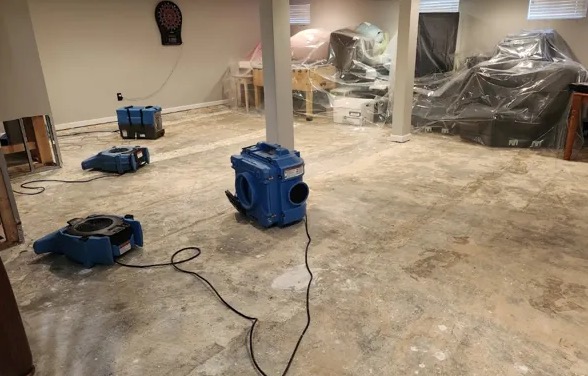
To prevent cross-contamination, the work area is sealed with plastic barriers. Air scrubbers with HEPA filters run continuously to capture airborne mold spores during the remediation process.
Step 3: Mold Removal and Cleaning
The professionals treat or remove affected materials. They apply antifungal and antimicrobial cleaners to salvageable surfaces. Heavily contaminated porous materials like drywall are safely discarded.
Step 4: Drying and Final Verification
Industrial dehumidifiers and air movers dry the structure to an acceptable moisture level. A final inspection ensures all mold is removed and the underlying cause is resolved.
Primary Sources of Mold Infestation in Des Moines
Roof Leaks and Ice Dams
Compromised roofing lets water into attics and ceilings. This trapped moisture soaks insulation and wood, leading to attic mold.
Flooding From Storms or Sewers
Major water intrusion events saturate building materials. If not extracted and dried completely, mold growth is almost certain.
Condensation on Cold Surfaces
Warm, humid air contacting cold ducts, walls, or windows creates condensation droplets, which provides water for mold spores.
Poor Bathroom Ventilation
Inadequate exhaust fans allow steam from showers to settle on surfaces. This routine dampness fuels bathroom mold growth over time.
Both Residential & Commercial Mold Remediation in Des Moines
Residential Mold Remediation
Residential services address mold from daily activities like shower steam. The goal is complete removal to restore a safe environment. This often involves crawl space or attic mold removal.
Commercial Mold Remediation
Commercial mold damage restoration addresses liability and property value concerns. Remediation plans for warehouses, schools, or medical facilities include detailed documentation of the process for property managers and stakeholders.
The Risks of DIY Residential Mold Remediation in Des Moines
After a small leak, dry the area thoroughly with fans and towels. Remove any visibly wet items to prevent further damage. If drywall got wet, call for water damage mold removal.
Budgeting for Residential Mold Remediation in Des Moines
Labor intensity is a major cost component. Black mold cleanup or toxic mold removal requires strict safety protocols and specialized equipment, which are factored into the estimate.
Containment Requirements
Preventing spore spread during black mold cleanup may require sealing off areas with plastic sheeting and using negative air machines, adding to setup time.
Preventive Treatments
Applying antimicrobial solutions or improving ventilation as part of post flood mold prevention helps stop recurrence but involves additional products and labor.
Extent of Water Damage
Active leaks or past flooding that caused the mold must be repaired. This water damage mold removal work adds to the overall project scope.
Does Insurance Cover Residential Mold Remediation?
Mold damage restoration is sometimes covered if linked to a sudden event. The professionals document the inspection findings and remediation process. Insurance companies determine coverage, so homeowners should communicate with them.
Reasons to Select Mold Cleanup Professionals for Residential Mold Remediation in Des Moines
Detailed Damage Documentation
Pros document the affected areas with photos and moisture readings, creating a clear record that can be useful for your own purposes.
Antimicrobial Application
After removal, affected surfaces are treated with EPA-registered antimicrobial agents to inhibit mold regrowth as part of the cleaning protocol.
Advanced Air Filtration
High-efficiency particulate air scrubbers are used to capture airborne mold spores during the remediation process, cleaning the air you breathe.
Emergency Residential Mold Remediation Available Around the Clock in Des Moines
Mold emergencies happen at any hour. Early action can limit damage and restoration costs. For immediate mold cleaning services, call (515) 575-2930 to reach the pros directly.
Call Now (515) 575-2930Residential Mold Remediation Available Throughout the Des Moines Region
Mold damage restoration helps protect property values and indoor air quality in Des Moines. Homeowners in Des Moines, Windsor Heights, Pleasant Hill and Saylorville have access to specialized pros for crawl space mold remediation or post flood mold prevention.
Frequently Asked Questions About Residential Mold Remediation in Des Moines
How does water damage lead to the need for mold removal?
Mold spores are everywhere and need moisture to grow. Untreated water damage from leaks or flooding creates the perfect damp environment for spores to colonize within 24 to 48 hours.
Is mold testing in Des Moines NC necessary before remediation?
Testing identifies the type and concentration of mold spores, guiding the remediation plan. It is useful for confirming suspected toxic mold or establishing a baseline for cleanup.
What causes mold in a crawl space, and how is it remediated?
Crawl space mold is caused by high humidity and ground moisture. Remediation involves removing contaminated insulation, cleaning framing, addressing the moisture source, and often installing a vapor barrier and dehumidifier.
Can I stay in my home during attic mold removal?
It depends on the project's scope. For minor attic work, you may stay. For extensive black mold removal requiring major containment, temporary relocation is often recommended to avoid exposure.
What is involved in the residential mold remediation process?
The process starts with an inspection and area containment. Contaminated materials are removed, surfaces cleaned and treated with antimicrobials, and the area dried. Air scrubbers clean the air during this phase.