Pleasant Hill, IA · Polk County
HVAC Leak Water Removal in Pleasant Hill, IAAC Condensate Leak Water Removal & Moisture Remediation For HVAC Systems
HVAC Leak Water Removal in Pleasant Hill includes emergency HVAC leak cleanup, wet insulation removal near HVAC and coil leak water damage repair.
Answered 24/7
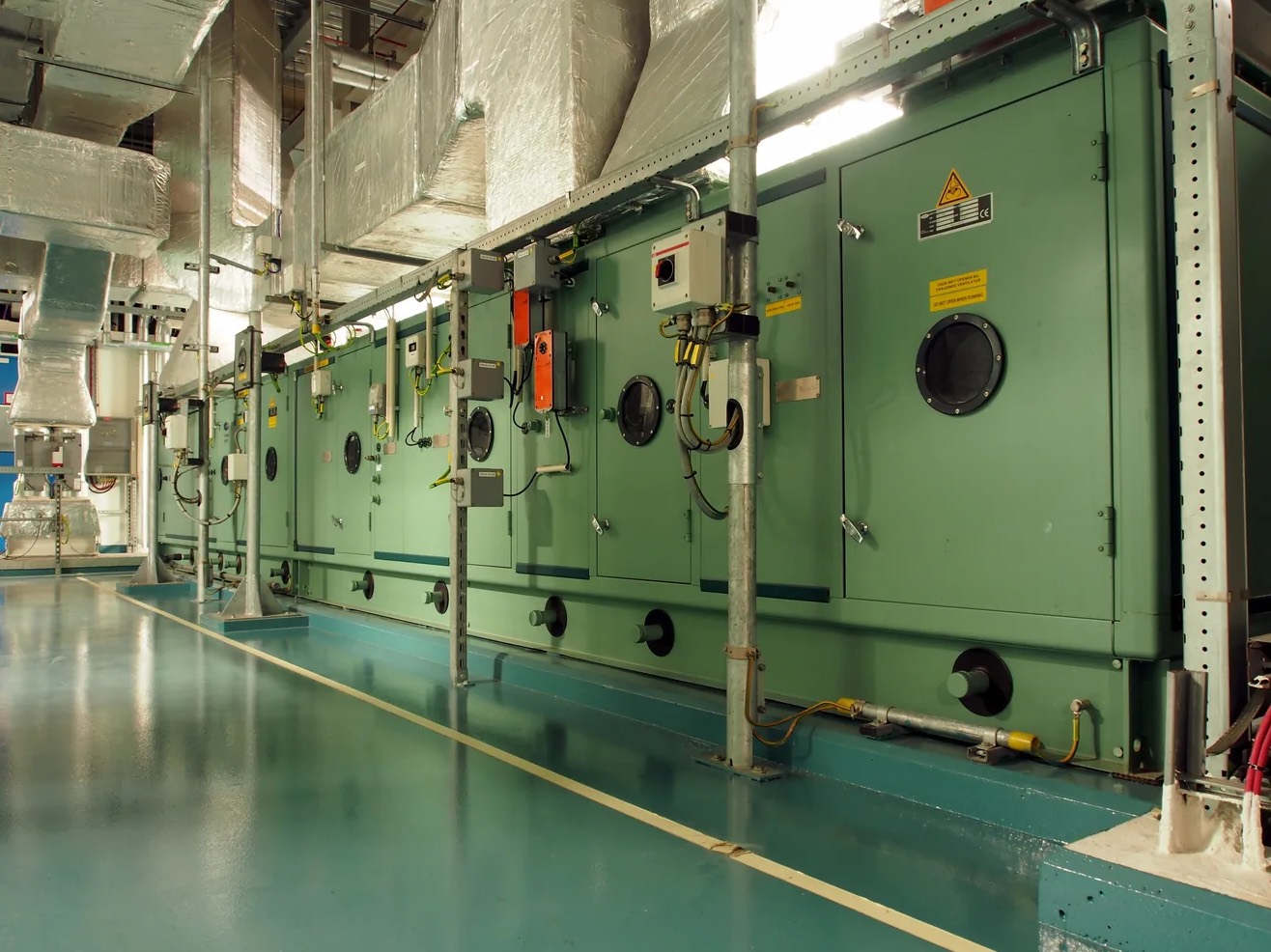
Local HVAC Leak Water Removal for Pleasant Hill, Iowa
An HVAC leak in Pleasant Hill rarely stays at the unit. Water runs out of the pan, across the closet floor and under walls, and attic units drip straight through the ceiling below.
When an HVAC leak occurs in Pleasant Hill, water needs to come out quickly to protect interior finishes and electrical systems. Local water removal pros serve this community and nearby areas like Altoona, Carlisle and Bondurant, extracting water around the unit and drying wet ductwork before damage spreads.
HVAC Leak Water Removal Service Details in Pleasant Hill
AC Condensate Leak Water Removal
An overflowing secondary pan from a blocked drain line creates a steady leak. Water extraction experts remove the water to protect the HVAC cabinet and subfloor.
Moisture Remediation for HVAC Systems
Removing standing water is only the first part. Moisture meters show water still held in drywall, insulation and wood, and readings continue until they are dry.
Coil Leak Water Damage Repair
A coil that has leaked for weeks often leaves wet framing and flooring around the unit. The pros remove the water and dry those materials, while an HVAC contractor fixes the coil.
HVAC Drain Line Flood Cleanup
A broken drain line can flood a mechanical room or closet. The water is contained and extracted before it reaches flooring and equipment nearby.
Wet Insulation Removal Near HVAC
Saturated insulation near the HVAC unit loses R-value and can foster mold. Removal is often necessary for a proper dry-out.
Signs You Require HVAC Leak Water Removal in Pleasant Hill
Musty Odors Near Air Vents
A musty smell when the system runs can point to wet insulation or mold inside the unit or ducts.
AC Drain Line Overflowing
Water spilling from the condensate drain line or its overflow port means the drain is blocked and needs attention now.
High Indoor Humidity Levels
A home feeling persistently muggy can mean the HVAC system is not properly removing airborne moisture.
Visible Rust on Metal Components
Rust forming on the evaporator coil cabinet, drain pan, or supports indicates prolonged moisture exposure.
How HVAC Leak Water Removal Works in Pleasant Hill
Step 1: Source Identification and Stop
The first step is finding out whether the water came from a drain clog, a coil leak or sweating ducts, then stopping the flow.
Step 2: AC Unit Water Damage Mitigation
Water is extracted from the drain pan, the cabinet and any flooded parts of the unit.
Step 3: Coil Leak Water Damage Repair
If the coil itself is leaking, an HVAC contractor handles the repair, and the pros dry the water it released.
Step 4: Documentation and Monitoring
Photos and moisture logs are kept throughout the job for your records and your insurance claim.
Frequent Sources of HVAC Leak Water Damage in Pleasant Hill
Excessive Ductwork Condensation
Poorly insulated ducts in humid spaces sweat and drip water into walls, ceilings and insulation.
Obstructed Air Filter or Ducts
Badly restricted airflow lets frost build on the cold coil, and the water floods the pan when it melts.
Frozen Evaporator Coil Thawing
A coil freezing due to low refrigerant or airflow can release large volumes of water upon thawing.
Worn Gaskets or Seal Failures
Worn seals around access panels or coil sections let water escape the cabinet instead of reaching the pan.
HVAC Leak Water Removal for Homes & Businesses in Pleasant Hill
Residential HVAC Leak Water Removal
In homes, an AC condensate leak can rot subfloor and baseboards if it is left. The pros dry the tight spaces around the unit and record the damage for insurance.
Commercial HVAC Leak Water Removal
A flooded HVAC unit in a commercial building needs a coordinated response. The pros manage large-volume extraction, coordinate with facility managers, and implement drying protocols.
HVAC Leak Water Removal: DIY Risks and Pro Solutions in Pleasant Hill
After ensuring power is off, you can use a wet-dry vacuum on visible standing water near a leaking AC unit. Be cautious of electrical hazards. You can also set up fans to aid surface drying. Do not remove wet insulation or open sealed ductwork.
HVAC Leak Water Removal Pricing Considerations in Pleasant Hill
The price of HVAC leak water removal in Pleasant Hill depends on where the unit sits, how far the water spread and how long drying takes. The pros look at the source and the wet area first.
Drying Time and Equipment
The number of days ducts and materials take to dry decides how long the dehumidifiers run.
Water Contamination Category
Clean condensate is simpler to handle than dirty overflow from a drain line, which needs extra cleaning.
Extent of Water Spread
Water from a leaking AC can travel along ducts and inside walls, which makes the drying area larger.
Does Insurance Cover HVAC Leak Water Removal?
Coverage for HVAC leak water removal depends on what caused the leak and how your policy is written. The pros take photos and moisture readings, and your insurer decides what is covered.
Why Local Experts for HVAC Leak Water Removal in Pleasant Hill
Containment and Air Filtration
The work area can be closed off so dust and moist air do not spread while wet materials are removed.
Precision Wet Insulation Removal
Wet insulation near the unit is removed so it does not hold water against framing and grow mold.
Detailed Damage Documentation
Photos and meter readings of the water damage give your adjuster clear records for the claim.
Emergency HVAC Leak Water Removal for Pleasant Hill Properties
HVAC drain line floods need immediate attention to stop water damage. For HVAC leak cleanup and moisture remediation, contact the experts at (515) 575-2930.
Call Now (515) 575-2930HVAC Leak Water Removal Near Pleasant Hill: Areas Served
Emergency water removal around a flooded HVAC unit is available throughout Pleasant Hill and nearby communities, including Altoona, Carlisle and Bondurant. Quick action limits damage to sensitive components.
- HVAC Leak Water Removal in Altoona
- HVAC Leak Water Removal in Carlisle
- HVAC Leak Water Removal in Bondurant
- HVAC Leak Water Removal in Saylorville
- HVAC Leak Water Removal in Mitchellville
- HVAC Leak Water Removal in Runnells
- HVAC Leak Water Removal in Norwalk
- HVAC Leak Water Removal in Windsor Heights
- Emergency Damage Restoration in 50317
- Storm Damage Restoration in 50317
- Water Damage Restoration in 50317
- Water Extraction Service in 50317
- Water Leak Detection in 50317
- Water Removal Service in 50317
- Emergency Damage Restoration in 50327
- Storm Damage Restoration in 50327
Your HVAC Leak Water Removal Questions Answered
What is involved in HVAC leak water removal?
Stopping the leak, extracting standing water, drying the ducts, cabinet area, walls and floor, and checking for hidden moisture with meters.
Is emergency HVAC leak cleanup necessary?
It is when water is spreading. Removing it early keeps it from reaching walls, ceilings and the rooms nearby, which keeps the damage smaller.
Why is quick action critical for a flooded HVAC unit?
Water can damage the unit's wiring, rust metal parts and soak into walls and floors, which makes repairs larger and more expensive.
Can I run my AC after a condensation leak?
No. Running the system while it leaks can spread water further and cause electrical shorts.
What causes an HVAC drain line to flood?
Algae, sludge or debris clog the condensate drain and the pan overflows. A disconnected or cracked drain line can also send water onto the floor.