Grinnell, IA · Poweshiek County
HVAC Leak Water Removal in Grinnell, IAAC Condensate Leak Water Removal & Emergency HVAC Leak Cleanup
HVAC Leak Water Removal in Grinnell includes emergency HVAC leak cleanup, wet insulation removal near HVAC and coil leak water damage repair.
Answered 24/7
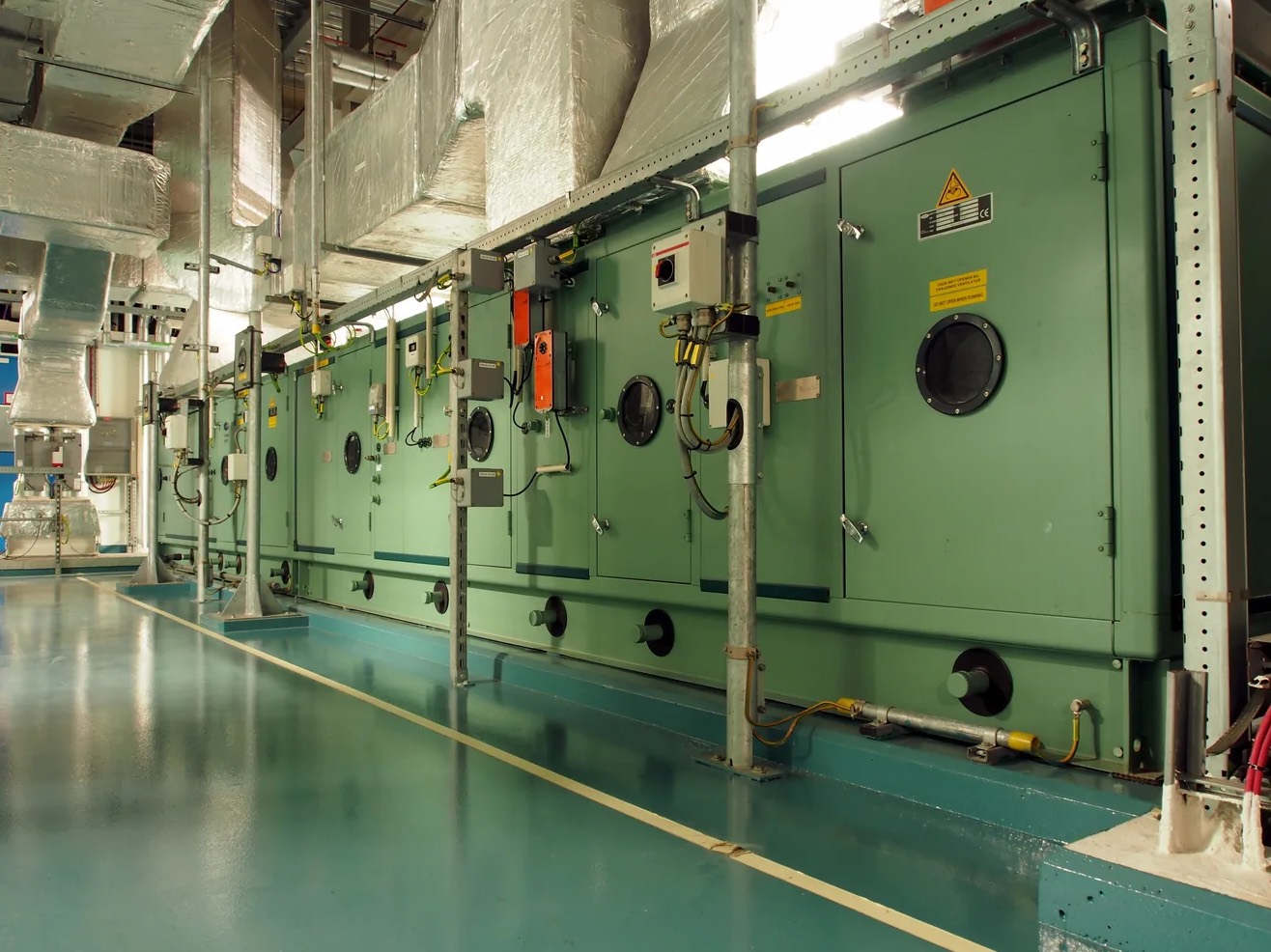
Local HVAC Leak Water Removal for Grinnell, Iowa
A leaking AC unit in Grinnell can fill the air handler cabinet and spill onto the floor around it. Water near wiring is a shock risk, so the power should be off before anyone works there.
When an HVAC leak occurs in Grinnell, water needs to come out quickly to protect interior finishes and electrical systems. Local water removal pros serve this community and nearby areas like Kellogg, Gilman and Lynnville, extracting water around the unit and drying wet ductwork before damage spreads.
Complete HVAC Leak Water Removal Services for Grinnell
AC Condensate Leak Water Removal
An overflowing secondary pan from a blocked drain line creates a steady leak. Water extraction experts remove the water to protect the HVAC cabinet and subfloor.
Emergency HVAC Leak Cleanup
An AC leak soaking drywall or flooring triggers emergency cleanup protocols. The pros extract water and begin structural drying.
Moisture Remediation for HVAC Systems
The job ends with a dry space and dry materials around the unit. Readings from the last day are recorded so you have proof the area is dry.
HVAC Drain Line Flood Cleanup
A completely blocked primary condensate drain line can overflow the secondary pan. Cleanup requires extracting the spilled water and clearing the line.
HVAC Cabinet Water Extraction
Standing water in the cabinet rusts the pan, panels and fasteners. Getting it out early stops that, and the cabinet is dried before the system runs again.
Signs You Require HVAC Leak Water Removal in Grinnell
Water Damage to Flooring
Warped laminate, cupped hardwood or soaked carpet near the HVAC unit shows the leak has reached the floor.
High Indoor Humidity Levels
A home feeling persistently muggy can mean the HVAC system is not properly removing airborne moisture.
Water Puddles Under HVAC Unit
Standing water or persistent dampness around the air handler or furnace cabinet often signals an active HVAC leak.
AC Drain Line Overflowing
Water spilling from the condensate drain line or its overflow port means the drain is blocked and needs attention now.
How HVAC Leak Water Removal Works in Grinnell
Step 1: Emergency Assessment and Water Extraction
The pros stop the water at the unit and extract the standing water from the cabinet, the closet floor and any wet carpet.
Step 2: System Inspection and Moisture Mapping
Moisture meters and thermal cameras show where water went, including wet insulation and duct sections, and the drying plan is built from that.
Step 3: Targeted Drying and Dehumidification
Air movers and dehumidifiers are placed to dry the walls, ceiling, floor and duct runs that got wet.
Step 4: Cleaning and Final Verification
Affected surfaces and HVAC components are cleaned. Final moisture readings confirm the area is dry.
Common Causes of HVAC Water Damage in Grinnell
Refrigerant Leak at the Coil
A pinhole leak in the evaporator coil itself can allow refrigerant and moisture to escape simultaneously.
Clogged Condensate Drain Line
Algae, sludge, or debris blocking the primary drain pipe causes water to back up into the HVAC cabinet.
Improper HVAC System Slope
An air handler or drain line installed without correct pitch prevents gravity-driven water flow to the drain.
Cracked or Disconnected Drain Pan
A damaged or misaligned secondary drain pan beneath the evaporator coil fails to catch condensation overflow.
Residential and Commercial HVAC Leak Water Removal in Grinnell
Residential HVAC Leak Water Removal
In homes with basements or a second-floor unit, an overflow can soak finished rooms below. The water is extracted and the ceiling, walls and floor are dried.
Commercial HVAC Leak Water Removal
In commercial buildings, the pros tackle HVAC drain line flood cleanup affecting server rooms, drop ceilings, and stock areas. They use industrial extractors and dehumidifiers for extraction and structural drying.
HVAC Leak Water Removal: DIY Risks and Pro Solutions in Grinnell
If you find an HVAC leak, turn off the system at the thermostat and the breaker. Put towels down and move belongings away from the drip. Wiping up a little condensation is fine, but standing water or wet drywall needs drying equipment.
Cost Insights for HVAC Leak Water Removal in Grinnell
Pricing for HVAC leak water removal depends on how much ductwork and building material got wet. Water inside wall cavities adds time and equipment.
Extent of Water Spread
Water from a leaking AC can travel along ducts and inside walls, which makes the drying area larger.
Water Contamination Category
Clean condensate is simpler to handle than dirty overflow from a drain line, which needs extra cleaning.
Emergency Service Timing
HVAC leak cleanup started at night, on weekends or on holidays may be billed at a different rate.
Does Insurance Cover HVAC Leak Water Removal?
For a flooded HVAC drain line, coverage often depends on whether the leak was sudden or came from skipped maintenance. Records of the damage and the cleanup go to your insurer, who decides.
Why Local Experts for HVAC Leak Water Removal in Grinnell
IICRC-Standard Drying Methods
Drying follows industry standards so the unit area, ducts and walls are dry before the system runs again.
Comprehensive Leak Source Identification
The pros trace the water to the drain line, coil or pan, so the right trade can fix the cause.
Component-Safe Water Removal
Work around the unit is done carefully so coils, wiring and control boards are not damaged further.
24-Hour Emergency HVAC Leak Water Removal in Grinnell
A leaking AC unit can cause rapid electrical and structural damage. For immediate HVAC leak water removal in Grinnell, contact the pros at (515) 575-2930.
Call Now (515) 575-2930HVAC Leak Water Removal Service Area Around Grinnell
In Grinnell and nearby Kellogg, Gilman and Lynnville, the pros handle water from HVAC cabinets, drain lines and wet insulation around the unit.
- HVAC Leak Water Removal in Kellogg
- HVAC Leak Water Removal in Gilman
- HVAC Leak Water Removal in Lynnville
- HVAC Leak Water Removal in Sully
- HVAC Leak Water Removal in Brooklyn
- HVAC Leak Water Removal in Montezuma
- HVAC Leak Water Removal in Newton
- HVAC Leak Water Removal in Tama
- Emergency Damage Restoration in 50112
- Storm Damage Restoration in 50112
- Water Damage Restoration in 50112
- Water Extraction Service in 50112
- Water Leak Detection in 50112
- Water Removal Service in 50112
Frequently Asked Questions About HVAC Leak Water Removal
What's the difference between water extraction and drying?
Extraction removes the liquid water. Drying uses dehumidifiers and air movers to pull out the moisture left in insulation, drywall and wood.
Does HVAC leak water removal prevent mold?
Fast extraction and drying lower the risk a lot. Materials that stay wet longer than a day or two can start to grow mold.
What are signs of a leaking AC unit indoors?
Water around the indoor unit, stains on nearby walls or ceilings, a musty smell, or the system shutting off because its float switch tripped.
How is moisture removed from HVAC ductwork?
Air movers and dehumidifiers dry the area around the ducts. Duct sections or lining that stayed wet may need cleaning or replacing by an HVAC contractor.
After HVAC system water cleanup, what repairs are needed?
Beyond drying, repairs might include unclogging or replacing a drain line, replacing wet insulation, and servicing the HVAC unit.