Pleasant Hill, IA · Polk County
Desiccant Dehumidification in Pleasant Hill, IACrawl Space Drying & Mold Prevention Drying
After a flood, Desiccant Dehumidification in Pleasant Hill means flood drying services, emergency dehumidification and water damage dehumidification.
Answered 24/7
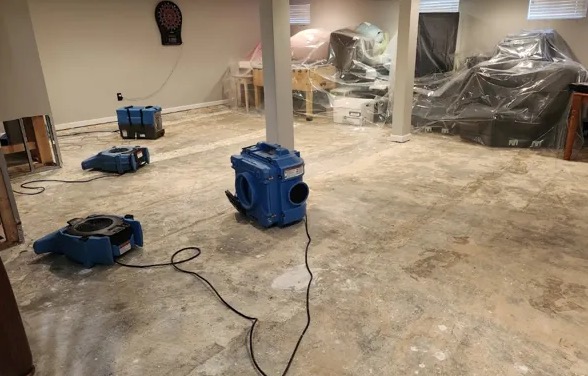
Local Desiccant Dehumidification Services for Pleasant Hill
Desiccant Dehumidification in Pleasant Hill ends with dry readings and a record of the drying. Daily logs show humidity and material readings from the first visit to the last.
Homes, job sites and commercial buildings in Pleasant Hill and nearby Altoona, Carlisle and Bondurant sometimes need more drying power than standard equipment provides. Help with desiccant dehumidification covers those cases.
Desiccant Dehumidification Methods Used in Pleasant Hill
Crawl Space Drying
Crawl spaces are cool and damp, which suits desiccant units. Dry air is pushed in to pull moisture from the joists and subfloor.
Mold Prevention Drying
Drying an area quickly after affected materials are removed limits regrowth. Desiccant units help reach low humidity in closed work areas.
Firefighting Water Drying
Drying after a fire is done once wet debris is removed, so the structure dries cleanly before rebuilding.
Emergency Dehumidification
Emergency dehumidification starts as soon as standing water is removed, which limits swelling, warping and odor.
Basement Dehumidification
Basement concrete and framing release water slowly. Desiccant drying keeps humidity low so they can dry in a reasonable time.
Red Flags for Desiccant Dehumidification in Pleasant Hill Properties
Peeling Paint or Wallpaper
Paint or wallpaper that peels after a leak has moisture behind it that has not dried.
Wet Insulation in Attics or Walls
Insulation that is wet in attics or walls holds water against framing and slows drying.
Active Mold Spots
Dark spots appearing on walls or ceilings mean materials stayed damp long enough for mold.
Musty Smell in Stored Items
Boxes and fabrics that smell musty show the space has stayed damp too long.
How Desiccant Dehumidification Works in Pleasant Hill
Step 1: Emergency Moisture Evaluation
The wet area is mapped and the right size and type of dehumidifier is chosen.
Step 2: High-Capacity Setup
Large desiccant units are placed for big spaces or cool areas where standard units struggle.
Step 3: Active Drying Cycle
Dry air is moved across wet materials, with daily readings to track progress.
Step 4: Completion and Insurance Records
Final readings and daily drying logs are compiled into a record for your insurer.
What Leads to Humidity Damage Needing Desiccant Dehumidification in Pleasant Hill
Appliance Malfunctions and Overflows
Washers, dishwashers and water heaters that leak leave wet floors, cabinets and walls.
Foundation Cracks and Seepage
Foundation cracks let groundwater seep into lower levels, keeping walls and floors damp.
Severe Weather and Storm Flooding
Storms and flooding soak lower levels and leave large volumes of wet material.
Roof Leaks From Damaged Shingles
Roof leaks from damaged shingles soak attic insulation, roof decking and the ceilings below.
Desiccant Dehumidification for All Property Types in Pleasant Hill
Residential Desiccant Dehumidification
Homes with wet attics after roof leaks may need attic drying equipment placed carefully on boards for safe footing.
Commercial Desiccant Dehumidification
Schools, offices and medical buildings may schedule equipment setup and removal after hours to limit disruption to staff and visitors.
Why DIY Falls Short for Desiccant Dehumidification in Pleasant Hill
Opening windows only helps on dry, breezy days. Commercial dehumidifiers keep drying no matter what the weather outside is doing, which makes them more reliable.
Understanding Desiccant Dehumidification Expenses in Pleasant Hill
In Pleasant Hill, starting drying right after a leak or flood usually shortens the job and lowers the total equipment cost.
Access and Complexity
Crawl spaces, tight areas and large buildings take more effort to set up and monitor.
Additional Restoration Steps
Extraction, material removal and cleaning before drying are separate steps that add to the total.
Duration of Equipment Use
Drying usually takes several days, and each day of equipment use adds to the total.
Does Insurance Cover Desiccant Dehumidification?
Coverage for desiccant dehumidification depends on the cause of the water and your policy. The pros document the drying, and your insurer decides what is covered.
Benefits of Local Pros for Desiccant Dehumidification in Pleasant Hill
Large Projects
Large buildings and job sites get drying plans that keep work and business moving.
Post-Flood Drying
Floodwater cleanup is followed by drying that continues until readings are normal.
Detailed Moisture Documentation
Daily humidity and moisture readings are logged to show progress and support insurance claims.
Emergency Desiccant Dehumidification Response for Pleasant Hill
Water damage that needs drying in Pleasant Hill? Call (515) 575-2930 to get dehumidifiers and air movers in place. Help is available 24/7.
Call Now (515) 575-2930Locations for Desiccant Dehumidification Around Pleasant Hill
Nearby areas served for desiccant dehumidification include Altoona, Carlisle and Bondurant, with the same equipment and readings used in Pleasant Hill.
- Desiccant Dehumidification in Altoona
- Desiccant Dehumidification in Carlisle
- Desiccant Dehumidification in Bondurant
- Desiccant Dehumidification in Saylorville
- Desiccant Dehumidification in Mitchellville
- Desiccant Dehumidification in Runnells
- Desiccant Dehumidification in Norwalk
- Desiccant Dehumidification in Windsor Heights
- Emergency Damage Restoration in 50317
- Storm Damage Restoration in 50317
- Water Damage Restoration in 50317
- Water Extraction Service in 50317
- Water Leak Detection in 50317
- Water Removal Service in 50317
- Emergency Damage Restoration in 50327
- Storm Damage Restoration in 50327
Answers to Top Desiccant Dehumidification Queries
What are the benefits of construction drying services?
Drying slabs and drywall on schedule so flooring and finishes are not installed over damp materials.
Can desiccant dehumidification help prevent mold?
Yes. Lowering humidity and drying materials quickly is one of the main ways to keep mold from starting.
When is desiccant dehumidification a better choice than refrigerant units?
In cool spaces, very large areas or when very low humidity is needed to dry dense materials.
What areas can benefit from moisture control services?
Crawl spaces, lower levels, attics, large commercial spaces and any room where materials got wet.
What is involved in basement dehumidification after a flood?
Removing water, placing dehumidifiers and air movers and running them until concrete and framing read dry.