Des Moines, IA · Polk County
Dehumidification Services in Des Moines, IAAttic Moisture Removal & Wet Drywall Drying Services
Dehumidification Services in Des Moines cover attic moisture removal, crawl space drying and emergency water damage drying.
Answered 24/7
Reliable Dehumidification Services for Des Moines Homes
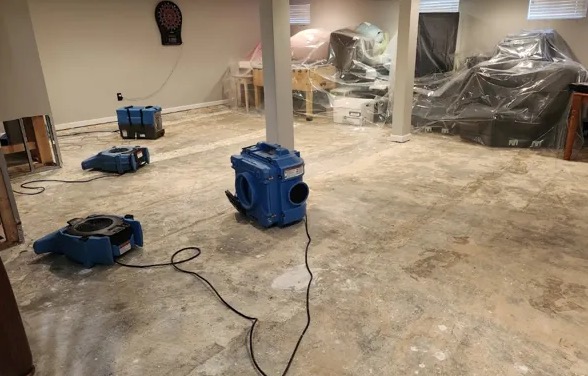
A household dehumidifier is built for keeping a dry room dry. After a leak or flood in Des Moines, the job is much bigger: drying soaked drywall, subfloors and framing in a reasonable time.
In Des Moines, drying calls often follow a burst pipe, a water heater leak or an AC overflow. Local attic drying specialists serve Des Moines, Windsor Heights, Pleasant Hill and Saylorville, placing dehumidifiers and air movers.
Dehumidification Services Methods Used in Des Moines
Attic Moisture Removal
Attic air is warm and can hold a lot of moisture. Dehumidifiers remove it so the wood framing can dry instead of staying damp.
Wet Drywall Drying Services
Readings on the drywall and studs show when the wall is dry and ready for paint or repair.
Whole-House Dehumidification
Whole-house drying after a large leak keeps moisture from moving from wet rooms into dry ones.
Emergency Water Damage Drying
Emergency drying starts right after extraction, because materials keep absorbing moisture from damp air until it is removed.
Mold Prevention Dehumidification
Dehumidification helps prevent mold but does not remove mold that has already started. Affected materials are removed separately.
When to Schedule Dehumidification Services in Des Moines
Musty Odors in Closed Spaces
A musty smell in closets, basements or closed rooms points to damp materials or high humidity.
Efflorescence on Basement Walls
White, powdery deposits on basement walls show water moving through the concrete.
Rust on Metal Fixtures or Pipes
Rust on pipes, tools or metal fixtures shows long-term moisture in the area.
Rotting Wood in Structural Areas
Soft or dark wood in attics, crawl spaces or framing points to moisture that has been there a long time.
How Dehumidification Services Work in Des Moines
Step 1: Site Inspection
Humidity and material readings are taken across the affected area to set the drying plan.
Step 2: Drying Equipment Deployment
Equipment is sized and placed for the space, including attics, crawl spaces or large rooms.
Step 3: Active Drying Management
Readings are logged daily, and dehumidifiers are moved as each area dries.
Step 4: Post-Drying Evaluation and Report
A report shows starting and final readings and when each area reached normal levels.
Causes of Dampness and Dehumidification Responses in Des Moines Homes
High Outdoor Humidity Infiltration
Humid outdoor air coming in through gaps and vents raises indoor humidity in muggy weather.
Poor Ventilation in Enclosed Areas
Bathrooms, laundry rooms and attics without good ventilation trap moisture in the air.
Recent Water Damage Restoration Work
Rooms that were extracted but not fully dried after earlier water damage stay damp.
Condensation From Temperature Differences
Warm, moist air meeting cold surfaces such as pipes and walls condenses into water.
Home and Business Dehumidification Services in Des Moines
Residential Dehumidification Services
Homeowners renting a store-bought dehumidifier often find it cannot keep up with soaked materials. Commercial units dry the space faster.
Commercial Dehumidification Services
Restaurants and medical offices need drying that keeps humidity and dust under control in areas that must stay clean.
Dehumidification Services vs. DIY: When to Call the Pros
You can run the dehumidifier you own, keep doors closed to the wet room and take photos. Drying soaked materials in a reasonable time usually takes commercial equipment and readings.
Cost Considerations for Dehumidification Services in Des Moines
Attic, crawl space and commercial drying in Des Moines may need larger or specialized dehumidifiers, which affects the total.
Accessibility of the Area
Tight attics and crawl spaces take longer to set up and monitor than open rooms.
Water Extraction Necessity
Standing water must be extracted before dehumidifiers can work well, which is a separate step.
Presence of Contaminants
Water from drains or floods needs cleaning and disinfection before drying, adding cost.
Does Insurance Cover Dehumidification Services?
Photograph the wet areas before drying starts, and keep receipts for emergency extraction, drying equipment rental and any hotel stay during drying.
Benefits of Local Pros for Dehumidification Services in Des Moines
Moisture Management
Dehumidifiers, air movers and ventilation are balanced to dry the whole space evenly.
Drying Plan
Equipment is placed from readings and moved each day as areas reach normal levels.
Moisture Detection
Meters and hygrometers measure moisture in the air and in drywall, wood and concrete.
Emergency Dehumidification Services Available in Des Moines
Water damage that needs drying in Des Moines? Call (515) 575-2930 to get dehumidifiers and air movers in place. Help is available 24/7.
Call Now (515) 575-2930Dehumidification Services Near Des Moines: Areas Served
Nearby areas served for dehumidification services include Windsor Heights, Pleasant Hill and Saylorville, with the same equipment and readings used in Des Moines.
Common Dehumidification Services Questions Answered
How does whole-house dehumidification work after water damage?
Dehumidifiers are placed in each affected room and moved as readings drop, so humidity falls across the house.
Can dehumidification services help prevent mold growth?
Yes. Bringing humidity down and drying materials quickly is one of the main ways to keep mold from starting.
How long does basement dehumidification take after a leak?
Often several days or longer, since basement concrete and cool air hold moisture. Readings show when it is done.
What is involved in professional dehumidification services?
Measuring moisture, placing commercial dehumidifiers and air movers, taking daily readings and running equipment until materials are dry.
What areas of a home benefit from moisture removal services?
Basements, crawl spaces, attics and any room where drywall, flooring or framing got wet.