Dayton, IA · Webster County
Black Water Extraction (Category 3) in Dayton, IAStorm Sewer Flood Water Removal & Contaminated Carpet Water Extraction
Black Water Extraction (Category 3) in Dayton includes septic tank backup cleanup, storm sewer flood water removal and black water drying.
Answered 24/7
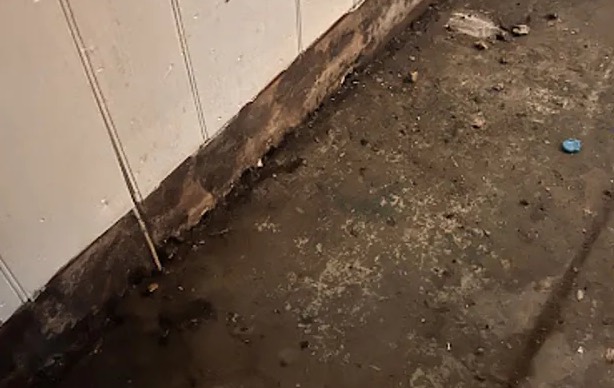
Black Water Extraction (Category 3) for Dayton Homes
Floodwater from outside in Dayton, whether from a storm sewer or rising water, picks up soil, chemicals and sewage on its way into a home. It is handled as Category 3.
Homes and businesses in Dayton and nearby Lehigh, Stratford and Gowrie deal with sewer backups, septic overflows and contaminated floodwater. Help with black water extraction (category 3) covers extraction, removal of contaminated materials, disinfection and drying.
Black Water Extraction (Category 3) Services in Dayton
Storm Sewer Flood Water Removal
Outside floodwater that enters a garage or ground floor is handled as contaminated. Porous materials it touched are removed.
Contaminated Carpet Water Extraction
Water is extracted from contaminated carpet first to reduce weight and spread, then the carpet and pad are removed and the subfloor disinfected.
Toilet Overflow Water Removal
Toilet water that has spread across a floor is treated as contaminated. It is extracted, and floors, baseboards and lower walls are disinfected.
Black Water Drying
Air scrubbers filter the air during drying, which helps with odor and dust from removal work.
Sewage Damage Report for Insurance
Documentation starts before cleanup, with photos of the water level and affected rooms, and continues through final drying.
Indicators of Category 3 Water Damage in Dayton
Storm Drain Water in Garage
Water that flowed into the garage from the street or storm drain carries soil and contaminants.
Discolored Water From Appliances
Dark, smelly water from a washer or dishwasher drain can mean a drain line backup.
Persistent Dampness After Flood
Areas that stay damp and smell after a flood still hold contaminated water in floors or walls.
Foul Odor From Floor Drain
A sewage smell from a floor drain often means water is backing up or the trap has dried out.
How Black Water Extraction (Category 3) Works in Dayton
Step 1: Emergency Hazard Assessment
Electrical hazards and the source of the contaminated water are checked before anyone enters the area.
Step 2: Contaminated Water Extraction
Workers in protective gear extract sewage or floodwater and remove solids and debris.
Step 3: Sanitization Process
Porous materials such as carpet and drywall are removed, and hard surfaces are cleaned and disinfected.
Step 4: Structural Drying Verification
Air movers and dehumidifiers dry the structure, and readings confirm when it is dry.
Common Sources of Category 3 Water Damage in Dayton
Broken Sewage Pipe
Cracked or collapsed sewer pipes leak wastewater under slabs, in crawl spaces and inside walls.
Severe Storm or Flooding
Heavy storms and flooding push contaminated surface water into basements and ground floors.
Improper Waste Disposal
Flushing wipes, grease and other items that do not break down leads to clogs and backups.
Toilet Clog or Malfunction
A clogged toilet overflows onto the floor and can soak through to the room below.
Black Water Extraction (Category 3) for Homes and Businesses in Dayton
Residential Black Water Extraction (Category 3)
In homes, black water usually comes from a sewer backup, septic overflow or toilet. The affected rooms are contained, cleaned, disinfected and dried, and the family is told which rooms to avoid.
Commercial Black Water Extraction (Category 3)
In restaurants, offices and stores, a sewage backup can close the business. Contained cleanup and disinfection are planned to reopen safely as soon as possible.
Category 3 Cleanup: Why DIY Falls Short
Do not use a household vacuum or shop vac on sewage without proper protection, and never run fans on contaminated materials. Call (515) 575-2930 for safe extraction.
Evaluating Black Water Extraction (Category 3) Expenses for Dayton Properties
The pros assess the source, the affected area and the materials before pricing black water extraction (category 3) in Dayton, then explain each step.
Required Drying Time
Drying after cleanup can take several days, and each day adds equipment time.
Type of Materials Affected
Carpet, drywall and insulation touched by sewage must be removed, which adds labor and disposal.
Secondary Damage
Damage to the room below, furnaces or belongings adds repair and replacement costs.
Does Insurance Cover Black Water Extraction (Category 3)?
Standard homeowner policies often exclude sewer backups unless you added a sewer backup endorsement. Check your policy and call your insurer before cleanup if you can.
Benefits of Local Pros for Black Water Extraction (Category 3) in Dayton
Drying Process
Drying starts only after cleaning and disinfection, so contamination is not left in place.
Material Salvage Assessment
The pros assess which belongings and materials can be cleaned and which must be discarded.
Disinfection Focus
Every surface the water touched is cleaned and disinfected, not just the visible floor.
24/7 Emergency Black Water Extraction (Category 3) for Dayton
Toilet or floor drain overflowing with sewage? Keep children and pets away and call (515) 575-2930 now for black water extraction (category 3) in Dayton.
Call Now (515) 575-2930Black Water Extraction (Category 3) for Dayton and Surrounding Communities
Sewage extraction and disinfection also cover homes and businesses in Lehigh, Stratford and Gowrie, close to Dayton, day or night.
- Black Water Extraction (Category 3) in Lehigh
- Black Water Extraction (Category 3) in Stratford
- Black Water Extraction (Category 3) in Gowrie
- Black Water Extraction (Category 3) in Otho
- Black Water Extraction (Category 3) in Coalville
- Black Water Extraction (Category 3) in Duncombe
- Black Water Extraction (Category 3) in Ogden
- Black Water Extraction (Category 3) in Boone
- Emergency Damage Restoration in 50530
- Storm Damage Restoration in 50530
- Water Damage Restoration in 50530
- Water Extraction Service in 50530
- Water Leak Detection in 50530
- Water Removal Service in 50530
Frequently Asked Questions About Black Water Extraction (Category 3)
Is toilet overflow water considered black water?
Water from a toilet with waste is Category 3. Even clear toilet water is usually handled as contaminated.
What safety measures are used during extraction?
Protective gear, plastic containment, controlled air pressure and air scrubbers to keep contamination in the work area.
What is the goal of sewage water extraction?
To remove contaminated water and materials and disinfect the area, so the space is safe to dry and repair.
What happens to removed contaminated materials?
They are bagged and disposed of according to local rules, and the removed items are listed for insurance.
Is sewage backup cleanup dangerous?
It can be. Sewage carries bacteria and viruses, so cleanup needs protective gear, containment and disinfection.