Perry, IA · Dallas County
Basement Water Removal in Perry, IABasement Drying Services & Basement Wall Drying
Basement Water Removal in Perry covers basement water pump out, basement wall drying and basement dehumidification after a flood.
Answered 24/7
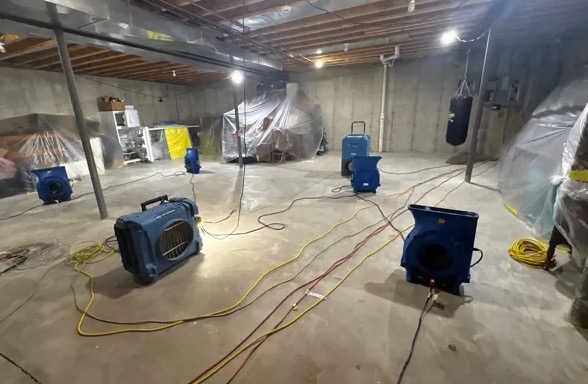
Basement Water Removal Solutions for Perry Homeowners
Basement Water Removal in Perry starts with safety. Water near the furnace, water heater or electrical panel can be dangerous, so power is made safe before anyone steps into it.
Homes in Perry and nearby Woodward, Dallas Center and Ogden with basements face storm seepage, sewer backups and plumbing leaks. Help with basement water removal covers pump-out, wall and floor drying and dehumidification.
Professional Basement Water Removal Offerings
Basement Drying Services
Drying plans for basements account for cool air and thick concrete, which hold moisture longer than upper floors.
Basement Wall Drying
Concrete and block walls dry with directed airflow and dehumidification, which pull water out of the masonry.
Emergency Basement Flooding
Emergency response starts with making power safe, stopping the source if possible and pumping out the water.
Sump Pump Failure Water Cleanup
A backup pump or battery system is worth discussing with a plumber after the cleanup, since sump failures often repeat in storms.
Basement Dehumidification
After drying, a household dehumidifier may still be needed to keep basement humidity in a healthy range.
Common Symptoms Requiring Basement Water Removal
High Humidity and Condensation
Water on pipes and windows, or a constantly clammy feel, means basement humidity is too high.
Wet or Damp Basement Walls
Basement walls that look dark, feel damp or show tide lines are taking on or holding water.
Sump Pump Failure or Overflow
A sump pit that is full, overflowing or has a pump that will not start means water is about to spread.
Efflorescence on Concrete Walls
White, powdery deposits on concrete walls mean water is passing through the masonry.
How Basement Water Removal Works in Perry
Step 1: Safety Assessment and Pump Out
Electrical hazards are checked, then deep water is pumped outside away from the foundation.
Step 2: Content Removal and Damage Documentation
Wet belongings are moved, and photos record the water level and damaged materials.
Step 3: Targeted Water Removal and Drying
Carpet is extracted, wet drywall is cut back and air is aimed at walls and the slab.
Step 4: Sanitization and Moisture Control
Surfaces touched by dirty water are disinfected, and dehumidifiers keep humidity low.
What Causes Water Damage in Basements
Plumbing Leaks or Pipe Bursts
Supply lines, drain pipes and water heaters in the basement can leak or burst onto the floor.
High Water Table and Hydrostatic Pressure
A high water table presses groundwater against the slab and walls, forcing it inside.
Window Well Leaks and Drainage
Window wells without drains or covers fill with rain and leak through the windows.
Foundation Cracks and Seepage
Cracks in foundation walls and the slab let groundwater seep in during wet weather.
Professional Basement Water Removal for All Properties
Residential Basement Water Removal
In homes, a wet basement often means damaged carpet, drywall and stored belongings, plus a furnace or water heater sitting in water. Water is pumped out and the space dried.
Commercial Basement Water Removal
In commercial buildings, basements often house mechanical rooms and storage. Water is removed quickly so systems can be checked and restarted safely.
The Risks of DIY Basement Water Removal
Water that came up through a floor drain may be sewage. Avoid touching it, keep children and pets away and call local basement drying experts for cleanup with protective gear and disinfection.
What Influences the Price of Basement Water Removal
In Perry, the drying phase usually costs more than the pumping, because basements need equipment running for several days.
Drying Time Required
Basements dry slowly, and each extra day of equipment adds to the total.
Basement Square Footage
Larger basements need more extraction, more drying equipment and more days of drying.
Water Depth and Volume
Deeper water takes more pumping time and usually means more materials got wet.
Does Insurance Cover Basement Water Removal?
Ask your adjuster early how your policy treats seepage and sewer backups, since many policies limit or exclude both kinds of water.
Advantages of Local Basement Water Removal Experts
Moisture Inspection
Meters and thermal cameras find water in walls, floors and slab that looks dry.
Post-Service Moisture Verification
Final readings are recorded before equipment leaves, so you know the basement is dry.
Clear Communication
You get plain updates on what was found, what was removed and how drying is going.
24/7 Basement Water Removal When You Need It
Storm night, weekend or holiday, local basement drying experts handle basement water in Perry. Call (515) 575-2930 to get pumps running and drying started.
Call Now (515) 575-2930Basement Water Removal Serving Perry and Surroundings
Nearby areas served for basement water removal include Woodward, Dallas Center and Ogden, with the same pumping and drying steps used in Perry.
- Basement Water Removal in Woodward
- Basement Water Removal in Dallas Center
- Basement Water Removal in Ogden
- Basement Water Removal in Madrid
- Basement Water Removal in Grand Junction
- Basement Water Removal in Granger
- Basement Water Removal in Adel
- Basement Water Removal in Redfield
- Emergency Damage Restoration in 50220
- Storm Damage Restoration in 50220
- Water Damage Restoration in 50220
- Water Extraction Service in 50220
- Water Leak Detection in 50220
- Water Removal Service in 50220
Common Basement Water Removal Questions Answered
Can I dry my basement myself with fans?
Fans help with surface water, but walls and concrete need dehumidifiers and readings to dry fully.
How is contaminated water handled in a basement?
With protective gear, containment, removal of porous materials and disinfection of hard surfaces before drying.
What is emergency basement flooding response?
Help any hour to make power safe, stop the source, pump out water and start drying before more damage sets in.
Why is fast water removal so important for basements?
Basements dry slowly, so every hour of standing water adds drying days and more materials to replace.
How long does basement drying take?
Often several days or longer, because concrete and cool basement air hold moisture. Daily readings show when it is done.