Clive, IA · Polk County
Basement Water Damage Restoration in Clive, IABasement Water Extraction & Basement Sewer Backup Cleanup
Basement Water Damage Restoration in Clive runs from basement water extraction and basement floor water removal to basement dehumidification.
Answered 24/7
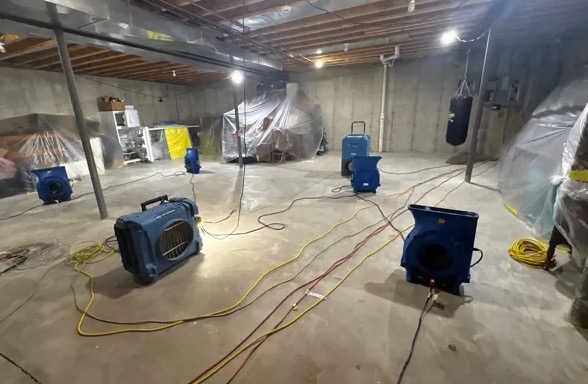
Professional Basement Water Damage Restoration in Clive, IA
Basement Water Damage Restoration in Clive usually involves two parts: the emergency work of removing water and the slower work of drying a below-grade space. Both matter for keeping repairs small.
A finished basement or lower level in Clive or Urbandale, West Des Moines and Windsor Heights can hide old moisture behind drywall and flooring. The pros find the water and dry the space before more damage sets in.
Basement Water Damage Restoration Solutions Available in Clive
Basement Water Extraction
Basement water is removed before drying starts, because every gallon left behind keeps the walls and air damp.
Basement Sewer Backup Cleanup
Porous materials touched by sewage, such as carpet, pad and lower drywall, are removed. Concrete and framing are cleaned and disinfected.
Basement Dehumidification
A basement with no moisture problem before the flood may still need a dehumidifier afterward while the concrete dries.
Basement Wall Drying
Concrete and block walls are dried with directed airflow and dehumidifiers, and checked with meters until readings drop.
Basement Mold Prevention
After drying, an antimicrobial can be applied to framing and concrete that were wet, to slow mold on surfaces that stay in place.
Warning Signs You Need Basement Water Damage Restoration
Standing Water in the Basement
Any standing water on the basement floor needs pumping right away, before it soaks walls and framing.
High Humidity Levels Below-Grade
A basement that stays damp and clammy even on dry days has a moisture source that needs attention.
Rusted Appliances or Pipes
Rust on the water heater, furnace base or pipes points to repeated moisture or past flooding.
Wet or Stained Basement Walls
Dark, wet patches or tide lines on basement walls show where water seeped in or wicked up.
How Basement Water Damage Restoration Works in Clive
Step 1: Water Removal
Pumps and extractors remove standing water from the basement floor, starting at the lowest point.
Step 2: Targeted Moisture Evaporation
Air movers are aimed at wet walls, framing and the slab to speed evaporation.
Step 3: Humidity Control
Large dehumidifiers pull moisture from the basement air, with readings checked every day.
Step 4: Final Verification and Restoration
Final readings confirm the basement is dry, and the space is ready for drywall and flooring repairs.
Why Basement Water Damage Occurs in Clive
Water Heater or Appliance Leaks
Water heaters, washers and utility sinks in the basement can leak or fail without warning.
Foundation Cracks and Leaks
Cracks in foundation walls let groundwater and melting snow seep into the basement.
Sump Pump Mechanical Failure
A sump pump that fails, loses power or is too small lets groundwater rise into the basement.
Overland Flooding From Storms
Heavy storms and snowmelt can send surface water into basements through doors and walls.
Basement Water Damage Restoration for All Properties in Clive
Residential Basement Water Damage Restoration
Homeowners with older basements may have seepage that returns with each storm. Drying fixes the current damage, and the source is noted for a waterproofing contractor.
Commercial Basement Water Damage Restoration
Apartment and condo buildings with shared basements or lower levels may have laundry and storage below grade. Each area is extracted, dried and recorded for the building manager.
Basement Water Damage Restoration: Professional Help vs. Doing It Yourself in Clive
If a small leak left a puddle on bare concrete, a wet vac and a dehumidifier may be enough. Call local water damage pros if water reached drywall, carpet or framing, or if it came from a sewer drain.
Cost Considerations for Basement Water Damage Restoration in Clive
Sewage cleanup, finished walls, storm-night calls and damaged appliances all add to the total for basement water damage restoration in Clive.
Emergency Service
Night, weekend and storm calls can cost more than a scheduled visit.
Drying Time Required
Basements dry slowly, and longer drying means more equipment days and monitoring visits.
Water Category
Clean water costs less to handle than sewage, which needs protective gear, removal and disinfection.
Does Insurance Cover Basement Water Damage Restoration?
Flood damage from rising outside water usually needs flood insurance. Water from inside the home, like a broken pipe, is more often covered.
Advantages of Hiring Local Pros in Clive for Basement Water Damage Restoration
Industrial-Grade Equipment
Pumps, extractors and large dehumidifiers remove water much faster than household wet vacs and fans.
Advanced Moisture Detection
Moisture meters and thermal cameras find water in walls and slabs that looks dry.
Industry Drying Standards
Drying follows industry water damage standards, with readings taken at every visit.
24/7 Emergency Basement Water Damage Restoration for Clive
Storm night, weekend or holiday, local water damage pros handle flooded basements in Clive. Call (515) 575-2930 to get the pumps running and the water out.
Call Now (515) 575-2930Basement Water Damage Restoration Near Clive: Areas Served
Help with basement water damage restoration reaches Urbandale, West Des Moines and Windsor Heights, plus other communities around Clive, for finished and unfinished basements alike.
- Basement Water Damage Restoration in Urbandale
- Basement Water Damage Restoration in West Des Moines
- Basement Water Damage Restoration in Windsor Heights
- Basement Water Damage Restoration in Grimes
- Basement Water Damage Restoration in Waukee
- Basement Water Damage Restoration in Johnston
- Basement Water Damage Restoration in Norwalk
- Basement Water Damage Restoration in Polk City
- Emergency Damage Restoration in 50325
- Storm Damage Restoration in 50325
- Water Damage Restoration in 50325
- Water Extraction Service in 50325
- Water Leak Detection in 50325
- Water Removal Service in 50325
Basement Water Damage Restoration Common Questions Answered
Can wet basement drywall be saved after water damage?
Sometimes, if the water was clean and removed quickly. Soaked or sewage-contaminated drywall is cut out above the water line.
What are signs of hidden moisture after below-grade water extraction?
Musty smells, tide lines on walls, damp carpet edges and moisture readings that stay high in walls or the slab.
What health risks come with delayed basement flood cleanup?
Standing water and wet materials can support bacteria and microbial growth, and sewage carries contaminants that need disinfection.
Is basement floor water removal different from carpet extraction?
Yes. Bare concrete is squeegeed and dried, while carpet and pad need extraction, and the pad is usually replaced.
Why is quick action important for below-grade flood restoration?
Basements dry slowly, so every hour of standing water adds days of drying and more material to replace.