Maxwell, IA · Story County
Attic Water Removal in Maxwell, IAAttic Drying Services & Emergency Attic Water Extraction
Attic Water Removal in Maxwell includes emergency attic water extraction, ceiling water damage cleanup and attic drying services after a leak.
Answered 24/7
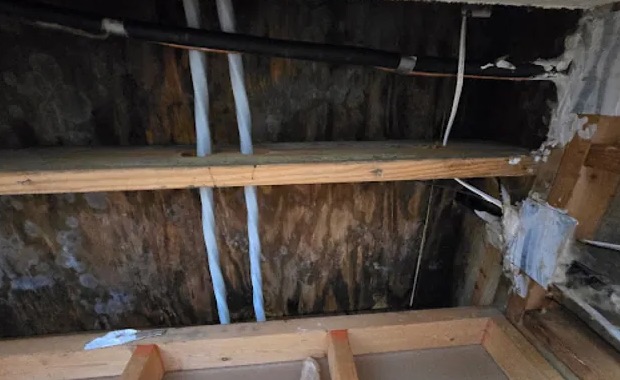
Professional Attic Water Removal in Maxwell, IA
After a storm in Maxwell, water can enter an attic through damaged shingles, vents or holes from debris. Fast removal protects the ceiling and the rooms underneath.
In Maxwell, attic water calls often start with a ceiling stain after heavy rain or a dripping AC drain. Local water extraction specialists serve Maxwell, Collins, Cambridge and Elkhart, removing water and wet insulation and drying the attic.
Detailed Attic Water Removal Solutions
Attic Drying Services
Air movers and dehumidifiers are placed on boards across the joists so they can run safely without stressing the drywall.
Emergency Attic Water Extraction
Emergency extraction starts with buckets and containment under active drips, then moves to pulling pooled water off the attic floor.
Attic Leak Water Cleanup
Cleanup focuses on the low spots where water collects: the bays between joists, the area around the hatch and the space under an air handler.
Ceiling Water Damage Cleanup
A water-stained ceiling below the attic is checked with a meter. Firm, lightly damp drywall can dry in place, while soft or sagging drywall comes down.
Attic Moisture Inspection
Readings are recorded at the start and at each visit, giving a clear drying history for your records and insurer.
Indicators of Attic Water Damage in Maxwell
High Utility Bills Unexpectedly
Wet insulation loses its insulating value, so energy bills can rise after an attic leak.
Water Stains on Ceiling
A brown ring or yellow patch on an upstairs ceiling usually means water is sitting on the drywall from the attic.
Condensation on Attic Windows or Nails
Damp nail tips or water droplets on attic surfaces point to moisture or ventilation problems.
Sagging or Bubbling Ceiling Drywall
Ceiling drywall that sags, bulges or bubbles at the seams is holding water and may fall.
How Attic Water Removal Works in Maxwell
Step 1: Source Control and Water Removal
The roof is tarped or the line shut off, and pooled water is removed from the attic floor.
Step 2: Wet Attic Cleanup and Debris Removal
Soaked insulation, wet debris and stored items are cleared so the wood and drywall can dry.
Step 3: Structural Drying and Dehumidification
Air movers and dehumidifiers are set on boards in the attic and run until readings drop.
Step 4: Final Attic Moisture Check
Decking, rafters and the ceiling below are tested to confirm they are dry before repairs.
Leading Origins of Attic Water Damage
Overflow From Clogged Bathroom Exhaust Ducts
Bathroom fan ducts that are loose or vented into the attic release moisture onto the wood.
Roof Leaks From Damaged Shingles
Cracked, missing or lifted shingles let rain reach the decking and drip into the attic.
Storm Damage From High Winds or Hail
High winds and hail can damage shingles and open the roof to rain during a storm.
Condensation From Poor Attic Ventilation
Moist air from the house condenses on roof decking when attic ventilation is poor.
Attic Water Removal for All Property Types in Maxwell
Residential Attic Water Removal
In two-story homes, attic water can run down inside walls to the floor below. Walls under the leak are checked with a meter and dried if needed.
Commercial Attic Water Removal
Flat-roof buildings often have water that travels far before it drips. The path above the ceiling is traced so every wet section is found.
Professional Attic Water Removal Compared to DIY
Catching drips with a bucket and moving furniture out of the way is a smart first step. Call the specialists if water is pooling in the attic, the ceiling is stained or sagging, or insulation is wet.
Attic Water Removal Cost in Maxwell, IA
In Maxwell, the biggest costs in attic jobs are usually insulation removal, drying equipment days and ceiling repair in the room below.
Emergency Service Timing
Storm, night and holiday calls can cost more than a scheduled visit.
Drying Time Required
Dense wood framing can take several days to dry, which adds equipment time.
Type of Insulation Affected
Blown-in insulation takes more time to remove than batts, and both add disposal costs.
Does Insurance Cover Attic Water Removal?
Many homeowner policies cover sudden attic leaks from storms or burst pipes, but not damage from worn roofing or slow leaks. Read your policy and call your insurer early.
The Value of Local Attic Water Removal Experts
Damage Documentation
Photos, readings and a list of removed materials are kept for insurance.
Source Identification
The pros trace the water to its source and note it for the roofer or plumber.
Industry Drying Standards
Drying follows industry water damage standards, with moisture readings taken at every visit.
Round-the-Clock Attic Water Removal for Maxwell
Water dripping through your ceiling in Maxwell? Put a bucket under it, move belongings and call (515) 575-2930. Attic water removal is available 24/7.
Call Now (515) 575-2930Local Attic Water Removal Coverage Area
Need attic water removal outside Maxwell? Service also covers Collins, Cambridge and Elkhart, including emergency help after storms.
- Attic Water Removal in Collins
- Attic Water Removal in Cambridge
- Attic Water Removal in Elkhart
- Attic Water Removal in Nevada
- Attic Water Removal in Colo
- Attic Water Removal in Huxley
- Attic Water Removal in Alleman
- Attic Water Removal in Baxter
- Emergency Damage Restoration in 50161
- Storm Damage Restoration in 50161
- Water Damage Restoration in 50161
- Water Extraction Service in 50161
- Water Leak Detection in 50161
- Water Removal Service in 50161
Frequently Asked Questions About Attic Water Removal
How can mold be prevented after attic water removal?
By drying wood quickly, fixing ventilation problems and treating framing that stayed wet with an antimicrobial.
Will attic water damage cause mold?
It can if wood and insulation stay wet for days. Fast removal and drying are the main ways to prevent mold.
Can wet attic insulation be saved?
Lightly damp areas sometimes dry, but soaked or matted insulation is usually removed and replaced after the attic dries.
How quickly should I deal with water in my attic?
Right away. Water on top of ceiling drywall soaks in and adds weight, and the ceiling can sag or fall within a day.
Why is emergency attic drying important?
Wet wood and drywall break down quickly. Drying fast saves more of the ceiling and lowers the risk of microbial growth.