Grinnell, IA · Poweshiek County
Attic Water Removal in Grinnell, IAAttic Drying Services & Attic Mold Prevention
For a storm leak, Attic Water Removal in Grinnell means emergency attic water extraction, roof leak water removal and attic moisture inspection.
Answered 24/7
Reliable Attic Water Removal Near Grinnell
Attic Water Removal in Grinnell covers both the attic and the room below. Water rarely stays on the attic floor; it soaks the ceiling and sometimes runs down the walls.
Homeowners in Grinnell can call (515) 575-2930 day or night when water starts coming through the ceiling. Service also covers Kellogg, Gilman and Lynnville, with the same inspection and drying steps.
Detailed Attic Water Removal Solutions
Attic Drying Services
Equipment is adjusted daily, moving airflow from areas that are dry to areas that still read wet.
Attic Mold Prevention
After drying, wood that was wet for more than a day or two can be treated with an antimicrobial to slow microbial growth.
Attic Leak Water Cleanup
The leak is stopped or tarped first, then water on the attic floor, on top of the drywall and around ducts and wiring is removed with wet vacs.
Ceiling Water Damage Cleanup
A water-stained ceiling below the attic is checked with a meter. Firm, lightly damp drywall can dry in place, while soft or sagging drywall comes down.
Roof Leak Water Removal
The entry point is photographed and marked, which helps both the roofer and your insurance adjuster.
Signs of Attic Water Damage in Grinnell
Visible Mold in Attic Spaces
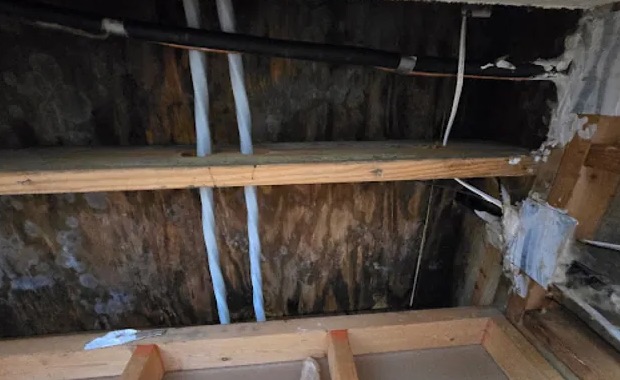
Dark spots on rafters or roof decking mean the wood has stayed damp for days or longer.
Peeling Paint on Ceilings or Walls
Paint that peels or blisters on upstairs ceilings and walls often has water behind it.
Increased Indoor Humidity Levels
Upstairs rooms that feel sticky or humid may have moisture coming down from the attic.
Wet or Damp Attic Insulation
Insulation that feels damp, looks dark or has packed down in one area has absorbed water.
How Attic Water Removal Works in Grinnell
Step 1: Source Control and Water Removal
The roof is tarped or the line shut off, and pooled water is removed from the attic floor.
Step 2: Wet Attic Cleanup and Debris Removal
Soaked insulation, wet debris and stored items are cleared so the wood and drywall can dry.
Step 3: Structural Drying and Dehumidification
Air movers and dehumidifiers are set on boards in the attic and run until readings drop.
Step 4: Final Attic Moisture Check
Decking, rafters and the ceiling below are tested to confirm they are dry before repairs.
Frequent Sources of Attic Water Damage in Grinnell
Roof Leaks From Damaged Shingles
Cracked, missing or lifted shingles let rain reach the decking and drip into the attic.
HVAC System Leaks or Drain Pan Overflow
An attic air handler overflows when its condensate line clogs or the drain pan cracks.
Burst or Leaking Plumbing Pipes
Supply lines and drain pipes in the attic can crack or burst onto the ceiling.
Appliance Malfunctions Like Water Heater Leaks
Water heaters located in the attic can leak or fail, flooding the attic floor.
Residential and Commercial Attic Water Removal in Grinnell
Residential Attic Water Removal
In two-story homes, attic water can run down inside walls to the floor below. Walls under the leak are checked with a meter and dried if needed.
Commercial Attic Water Removal
Flat-roof buildings often have water that travels far before it drips. The path above the ceiling is traced so every wet section is found.
Professional Attic Water Removal Compared to DIY
A fan in the room below does little for wet attic wood. Drying the attic takes equipment up there and readings to confirm it is dry.
Estimating Attic Water Removal Expenses in Grinnell
An attic leak handled the same day in Grinnell usually costs less than one left until the ceiling sags and has to be torn out.
Drying Time Required
Dense wood framing can take several days to dry, which adds equipment time.
Water Contamination Level
Clean rainwater is simpler to handle than water from a drain line or other dirty source.
Extent of Water Damage
A leak confined to one bay costs less than water spread across the attic and the rooms below.
Does Insurance Cover Attic Water Removal?
Photos, moisture readings and drying logs from local water extraction specialists help support an insurance claim for attic water damage in Grinnell.
Why Choose Local Pros for Attic Water Removal in Grinnell
Post-Cleanup Verification
Final readings confirm the attic is dry before new insulation goes in.
24/7 Emergency Response
Help is available day or night when water is coming through the ceiling.
Damage Documentation
Photos, readings and a list of removed materials are kept for insurance.
24/7 Emergency Attic Water Removal in Grinnell
Water dripping through your ceiling in Grinnell? Put a bucket under it, move belongings and call (515) 575-2930. Attic water removal is available 24/7.
Call Now (515) 575-2930Local Attic Water Removal Coverage Area
Attic water removal and drying also cover homes and buildings in Kellogg, Gilman and Lynnville, close to Grinnell, day or night.
- Attic Water Removal in Kellogg
- Attic Water Removal in Gilman
- Attic Water Removal in Lynnville
- Attic Water Removal in Sully
- Attic Water Removal in Brooklyn
- Attic Water Removal in Montezuma
- Attic Water Removal in Newton
- Attic Water Removal in Tama
- Emergency Damage Restoration in 50112
- Storm Damage Restoration in 50112
- Water Damage Restoration in 50112
- Water Extraction Service in 50112
- Water Leak Detection in 50112
- Water Removal Service in 50112
Attic Water Removal FAQs
Is attic flood cleanup different from a small leak?
The steps are the same, but a flooded attic needs more extraction, more insulation removal and usually ceiling replacement.
Can wet attic insulation be saved?
Lightly damp areas sometimes dry, but soaked or matted insulation is usually removed and replaced after the attic dries.
What happens during wet attic cleanup?
Water, wet insulation and debris are removed, stored items are moved out and the attic floor is cleaned before drying.
What is involved in attic water removal?
Stopping the source, removing pooled water, bagging wet insulation, drying the framing and decking, and checking the ceiling below.
What causes attic water damage?
Roof leaks, plumbing failures, attic AC overflows, water heater leaks, loose bath fan ducts and poor ventilation.