Duncombe, IA · Webster County
Attic Water Removal in Duncombe, IAAttic Leak Water Cleanup & Roof Leak Water Removal
Attic Water Removal in Duncombe covers attic leak water cleanup, roof leak water removal and wet attic insulation removal.
Answered 24/7
Local Attic Water Removal Solutions in Duncombe
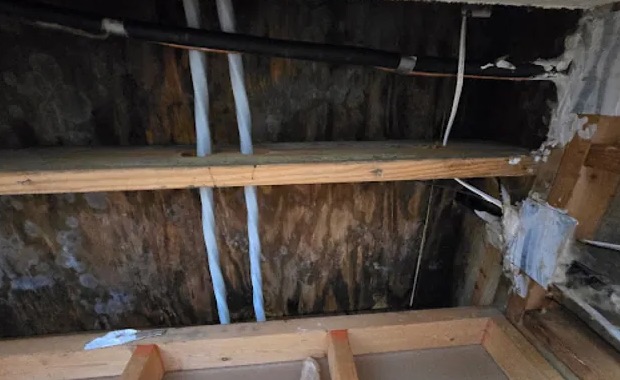
Attic leaks that run for a long time in Duncombe can rot roof decking and rust fasteners. Even after the roof is fixed, that wood stays wet unless it is dried.
Homes in Duncombe and nearby Coalville, Lehigh and Otho often have AC units, ducts and plumbing in the attic, as well as insulation. The pros handle water from any of those sources, plus roof leaks after storms.
Detailed Attic Water Removal Solutions
Attic Leak Water Cleanup
The leak is stopped or tarped first, then water on the attic floor, on top of the drywall and around ducts and wiring is removed with wet vacs.
Roof Leak Water Removal
A temporary tarp over the damaged section keeps more rain out until the roofer can make a permanent repair.
Wet Attic Insulation Removal
Insulation that got soaked is removed from the wet bays and bagged. Leaving it in place keeps the ceiling drywall damp for weeks.
Attic Drying Services
Equipment is adjusted daily, moving airflow from areas that are dry to areas that still read wet.
Attic Moisture Inspection
Moisture meters and thermal cameras check rafters, decking, insulation and the ceiling below, even in spots that look dry.
Warning Signs You Need Attic Water Removal
Musty Odors in Your Home
A musty smell upstairs or at the attic hatch often points to wet insulation or damp wood above.
Condensation on Attic Windows or Nails
Damp nail tips or water droplets on attic surfaces point to moisture or ventilation problems.
Rotting Wood on Attic Beams
Soft, dark or crumbling wood on rafters and beams points to long-term moisture.
Peeling Paint on Ceilings or Walls
Paint that peels or blisters on upstairs ceilings and walls often has water behind it.
How Attic Water Removal Works in Duncombe
Step 1: Initial Attic Water Damage Assessment
The pros check safety, find the source and map the wet area with moisture meters.
Step 2: Bulk Water and Material Removal
Pooled water, soaked insulation and any sagging drywall are removed from the attic and ceiling.
Step 3: Attic Drying and Evaporation
Warm, dry airflow is aimed at wet wood, with dehumidifiers removing the moisture it releases.
Step 4: Attic Mold Prevention
Once dry, decking and framing that stayed wet can be cleaned and treated with an antimicrobial.
Why Attics Develop Water Damage
Flashing Failures Around Roof Penetrations
Failed flashing around vents, chimneys and skylights lets rain run into the attic.
Roof Leaks From Damaged Shingles
Cracked, missing or lifted shingles let rain reach the decking and drip into the attic.
Storm Damage From High Winds or Hail
High winds and hail can damage shingles and open the roof to rain during a storm.
Burst or Leaking Plumbing Pipes
Supply lines and drain pipes in the attic can crack or burst onto the ceiling.
Attic Water Removal for Homes and Businesses
Residential Attic Water Removal
In houses, attic water usually reaches a bedroom or hallway ceiling. Water and wet insulation are removed from above, and the ceiling below is dried or replaced.
Commercial Attic Water Removal
In commercial buildings, water above a drop ceiling soaks tiles and insulation over several rooms. Wet tiles are removed and the plenum space above is dried.
Professional Attic Water Removal Compared to DIY
If you can do it safely, look into the attic with a flashlight to find the wet area. Removing soaked insulation and drying the framing needs boards, protective gear and equipment.
Factors Influencing Attic Water Removal Cost
Roof or plumbing repair is billed separately from water removal and drying. In Duncombe, both are needed after most attic leaks.
Emergency Service Timing
Storm, night and holiday calls can cost more than a scheduled visit.
Secondary Damage Repairs
Ceiling drywall replacement and paint in the room below add to the total.
Type of Insulation Affected
Blown-in insulation takes more time to remove than batts, and both add disposal costs.
Does Insurance Cover Attic Water Removal?
Photograph the attic, the ceiling and any roof damage before cleanup, and keep receipts for tarping and emergency water removal.
Why Choose Local Pros for Attic Water Removal in Duncombe
Advanced Moisture Detection
Moisture meters and thermal cameras find wet wood and insulation that look dry.
Damage Documentation
Photos, readings and a list of removed materials are kept for insurance.
Industry Drying Standards
Drying follows industry water damage standards, with moisture readings taken at every visit.
24/7 Emergency Attic Water Removal in Duncombe
If water is dripping from a light fixture, shut off that circuit at the panel and keep clear. Then call (515) 575-2930 for help in Duncombe.
Call Now (515) 575-2930Attic Water Removal Near Duncombe: Areas Served
Help with attic water removal is also available in communities near Duncombe, including Coalville, Lehigh and Otho, for roof leaks and attic plumbing failures.
- Attic Water Removal in Coalville
- Attic Water Removal in Lehigh
- Attic Water Removal in Otho
- Attic Water Removal in Webster City
- Attic Water Removal in Fort Dodge
- Attic Water Removal in Badger
- Attic Water Removal in Dayton
- Attic Water Removal in Stratford
- Emergency Damage Restoration in 50532
- Storm Damage Restoration in 50532
- Water Damage Restoration in 50532
- Water Extraction Service in 50532
- Water Leak Detection in 50532
- Water Removal Service in 50532
Attic Water Removal FAQs
Will attic water damage cause mold?
It can if wood and insulation stay wet for days. Fast removal and drying are the main ways to prevent mold.
How can mold be prevented after attic water removal?
By drying wood quickly, fixing ventilation problems and treating framing that stayed wet with an antimicrobial.
Do I need ceiling water damage cleanup too?
Usually. Water in the attic soaks the ceiling below, which needs to be checked and dried or replaced.
How long does attic drying take?
Often several days, depending on how wet the wood is, the attic temperature and how much insulation was removed.
How quickly should I deal with water in my attic?
Right away. Water on top of ceiling drywall soaks in and adds weight, and the ceiling can sag or fall within a day.