Tama, IA · Tama County
Attic Water Damage Restoration in Tama, IAWet Attic Insulation Removal & Emergency Attic Water Extraction
Attic Water Damage Restoration in Tama runs from roof leak water removal and attic leak water cleanup to attic drying services.
Answered 24/7
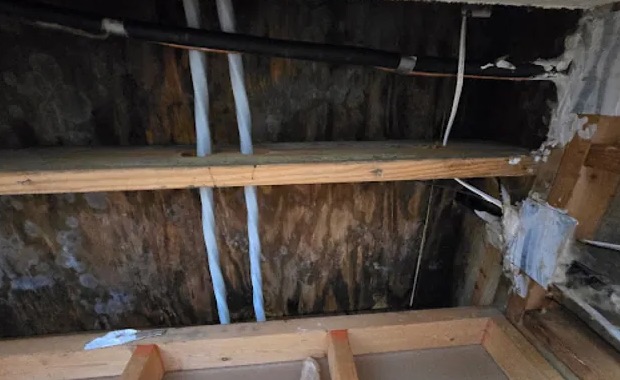
Local Attic Water Damage Restoration for Tama Homes
Wet attic insulation is heavy and holds water against the ceiling drywall. In Tama homes, that weight and moisture can make a ceiling sag and eventually fall if the insulation is not removed.
A storm leak in Tama can soak attic insulation in one night. Local water removal experts serve Tama and nearby Toledo, Garwin and Le Grand, with help available around the clock.
Attic Water Damage Restoration Services in Tama
Wet Attic Insulation Removal
Wet fiberglass batts lose their insulating value and hold water against the ceiling. Soaked sections are bagged and removed so the area underneath can dry.
Emergency Attic Water Extraction
Emergency extraction in an attic removes standing water from decking and drywall tops, and buckets or containment catch active drips.
Attic Mold Prevention
Poor ventilation keeps attics damp. Blocked soffit vents or a disconnected bath fan duct are pointed out so moisture does not return.
Attic Leak Water Cleanup
Leak cleanup in an attic means working between joists and around ducts, wiring and insulation, removing water from every spot it pooled.
Attic Drying Services
Air movers and dehumidifiers dry rafters, joists and roof decking. Attic heat speeds drying in summer, while cooler months need more dehumidification.
Do You Need Attic Water Damage Restoration in Tama?
Crumbling Drywall Tape
Ceiling drywall tape that bubbles, cracks or peels usually means water is soaking the seams.
Water Stains on Ceiling
Brown rings or yellow spots on an upstairs ceiling usually mean water is sitting on the drywall from above.
Musty Odors in Home
A musty or damp smell on the upper floor can point to wet insulation or wood in the attic.
Sagging or Bowed Roof Decking
Roof decking that sags or bows between rafters may be soaked or starting to rot.
How Attic Water Damage Restoration Works in Tama
Step 1: First Call and Inspection
The pros check the attic and ceiling, take photos and note where the water entered the attic.
Step 2: Bulk Water and Debris Removal
Standing water, wet insulation and fallen drywall are removed from the attic and room below.
Step 3: Drying and Monitoring
Readings are taken daily, and equipment is adjusted until every wet material is dry.
Step 4: Detailed Reporting for Insurance
A summary of the damage, the materials removed and the drying results is prepared for your claim.
Why Attics Get Water Damage in Tama
Condensation From Poor Ventilation
Warm, moist air from the house condenses on cold roof decking when the attic is poorly vented.
Clogged or Damaged Gutters
Clogged gutters overflow at the roof edge, pushing water under shingles and into the soffits.
Burst or Leaking Plumbing Pipes
Supply lines and water heaters in the attic can leak or burst directly onto the ceiling.
Improperly Sealed Roof Penetrations
Gaps around vents, pipes and antennas that pass through the roof let water in when seals fail.
Both Residential & Commercial Attic Water Damage Restoration
Residential Attic Water Damage Restoration
Homeowners often store boxes and holiday items in the attic. Wet belongings are moved out and dried or discarded before work on the insulation and framing starts.
Commercial Attic Water Damage Restoration
Offices and stores with roof leaks need the area below protected during work. Drying is planned around business hours where possible to keep the space open.
Why DIY Attic Water Damage Restoration Often Fails in Tama
Never step between attic joists, since the ceiling drywall will not hold your weight. If water is pooling up there, call (515) 575-2930 instead of trying to reach it yourself.
Attic Water Damage Restoration Cost in Tama, IA
Tight attic access, after-hours calls and ceiling drywall replacement all add to the total for attic water damage restoration in Tama.
Required Drying Time
Dense wood framing can take several days to dry, adding equipment time.
Type of Water Involved
Clean rainwater is simpler to handle than water from a drain or a contaminated source.
Affected Attic Materials
Wet insulation, decking and ceiling drywall that must be removed add labor and disposal costs.
Does Insurance Cover Attic Water Damage Restoration?
Insurers often ask what caused the leak and how long it ran. Notes on the leak point and the condition of the roof help answer those questions.
Selecting Local Pros for Attic Water Damage Restoration in Tama, IA
Mold Prevention Focus
Fast drying of wood framing is the main way to limit microbial growth after a leak.
Roof Leak Location
The leak point is marked and photographed so the roofer can fix the right spot.
Ceiling Damage Mitigation
Sagging ceiling drywall is drained and removed safely before it can fall.
Round-the-Clock Attic Water Damage Restoration in Tama
Water dripping from your ceiling in Tama? Put a bucket under it, move belongings and call (515) 575-2930. Help for attic leaks is available 24/7.
Call Now (515) 575-2930Attic Water Damage Restoration Throughout Tama County
Need attic water damage restoration outside Tama? Service also covers Toledo, Garwin and Le Grand, including emergency help during storms.
- Attic Water Damage Restoration in Toledo
- Attic Water Damage Restoration in Garwin
- Attic Water Damage Restoration in Le Grand
- Attic Water Damage Restoration in Gilman
- Attic Water Damage Restoration in Grinnell
- Attic Water Damage Restoration in Traer
- Attic Water Damage Restoration in Gladbrook
- Attic Water Damage Restoration in Brooklyn
- Emergency Damage Restoration in 52339
- Storm Damage Restoration in 52339
- Water Damage Restoration in 52339
- Water Extraction Service in 52339
- Water Leak Detection in 52339
- Water Removal Service in 52339
Attic Water Damage Restoration Information and Answers
What happens during attic leak water cleanup?
Pooled water is removed, wet insulation is bagged and taken out, and the framing and decking are dried with air movers and dehumidifiers.
How long does the attic drying process take?
Often several days, depending on how wet the wood is, the attic temperature and how much insulation was removed.
What are common signs of poor attic ventilation?
Damp or dark roof decking, rusted nails, musty smells and condensation on the underside of the roof.
What is structural drying for an attic?
Drying the rafters, joists and roof decking with directed airflow and dehumidifiers until moisture readings return to normal.
Why is an attic moisture inspection important after a leak?
Water spreads along rafters and insulation away from the drip point. Meters find all of it, so nothing is left wet.