Dayton, IA · Webster County
Attic Water Damage Restoration in Dayton, IAAttic Mold Prevention & Roof Leak Water Removal
Attic Water Damage Restoration in Dayton includes roof leak water removal, ceiling water damage cleanup and attic moisture inspection.
Answered 24/7
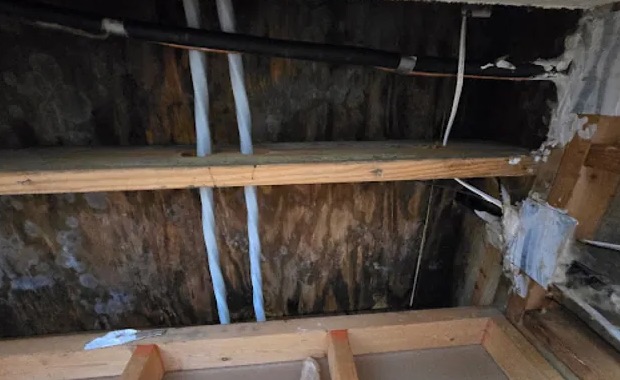
Professional Attic Water Damage Restoration in Dayton, IA
Wet attic insulation is heavy and holds water against the ceiling drywall. In Dayton homes, that weight and moisture can make a ceiling sag and eventually fall if the insulation is not removed.
A storm leak in Dayton can soak attic insulation in one night. Local attic drying pros serve Dayton and nearby Lehigh, Stratford and Gowrie, with help available around the clock.
Attic Water Damage Restoration Services in Dayton
Attic Mold Prevention
Poor ventilation keeps attics damp. Blocked soffit vents or a disconnected bath fan duct are pointed out so moisture does not return.
Roof Leak Water Removal
A roof leak often drips in one spot but spreads along rafters and decking. The pros follow the water path to find every wet area.
Emergency Attic Water Extraction
Emergency extraction in an attic removes standing water from decking and drywall tops, and buckets or containment catch active drips.
Ceiling Water Damage Cleanup
A ceiling stained or soaked from an attic leak is drained safely, and sagging drywall is cut out before it falls into the room.
Attic Drying Services
Equipment is placed on boards or platforms in the attic so it can run safely without stressing the ceiling drywall.
Warning Signs You Need Attic Water Damage Restoration
Water Stains on Ceiling
Brown rings or yellow spots on an upstairs ceiling usually mean water is sitting on the drywall from above.
Wet or Sagging Insulation
Insulation that looks matted, dark or compressed, or sags between joists, has absorbed water.
Increased Humidity Upstairs
Upstairs rooms that feel clammy even with the AC on may have moisture coming from the attic.
High Energy Bills
Wet insulation loses its insulating value, so heating and cooling bills can rise after a leak.
How Attic Water Damage Restoration Works in Dayton
Step 1: Initial Assessment and Water Removal
The pros find the source, check safety in the attic and remove standing water and wet debris.
Step 2: Wet Attic Insulation Removal
Soaked batts or blown-in insulation are bagged and removed so the wood and drywall can dry.
Step 3: Targeted Attic Drying Process
Drying equipment is aimed at the wet framing and ceiling, and moved as areas reach normal readings.
Step 4: Sanitization and Mold Prevention
Once dry, decking and rafters that stayed wet can be cleaned and treated with an antimicrobial.
Frequent Origins of Attic Flooding
Condensation From Poor Ventilation
Warm, moist air from the house condenses on cold roof decking when the attic is poorly vented.
Overflow From Bathroom Exhaust Fans
Bathroom fans that vent into the attic, or have disconnected ducts, release moisture onto the decking.
Burst or Leaking Plumbing Pipes
Supply lines and water heaters in the attic can leak or burst directly onto the ceiling.
Storm Damage From Wind or Hail
Wind and hail can tear shingles or puncture the roof, letting rain in during the storm.
Both Residential & Commercial Attic Water Damage Restoration
Residential Attic Water Damage Restoration
In two-story homes, an attic leak can affect both upstairs ceilings and the walls below them. Each wet area is checked with a meter and dried.
Commercial Attic Water Damage Restoration
Flat-roof commercial buildings often have leaks that travel before dripping. The pros trace the water path to find every wet section above the ceiling.
Attic Water Damage Restoration vs. DIY: When to Call the Pros
Fans in the room below will not dry an attic. The wood and insulation above need dehumidifiers and air movers placed in the attic, with readings to confirm they are dry.
Understanding Attic Water Damage Restoration Pricing
An attic leak caught after the first storm costs less to fix in Dayton than one that soaked insulation and decking for a whole season.
Mold Prevention Measures
Antimicrobial treatment of decking and rafters that stayed wet is an added cost.
Required Drying Time
Dense wood framing can take several days to dry, adding equipment time.
Ceiling Repair Needs
Replacing, taping and painting ceiling drywall after drying adds to the total.
Does Insurance Cover Attic Water Damage Restoration?
Photos, moisture readings and drying logs from local attic drying pros help support an insurance claim for attic water damage in Dayton. Keep copies of everything.
Benefits of Local Pros for Attic Water Damage Restoration in Dayton
Mold Prevention Focus
Fast drying of wood framing is the main way to limit microbial growth after a leak.
Detailed Documentation
Photos, readings and drying logs are kept to support your insurance claim.
Roof Leak Location
The leak point is marked and photographed so the roofer can fix the right spot.
Emergency Attic Water Removal Available Now
A wet attic soaks the ceiling below within hours. Call (515) 575-2930 for attic water damage restoration in Dayton at any time of the day or night.
Call Now (515) 575-2930Attic Water Damage Restoration Near Dayton: Areas Served
Besides Dayton, the pros handle wet attics, soaked insulation and stained ceilings in nearby Lehigh, Stratford and Gowrie.
- Attic Water Damage Restoration in Lehigh
- Attic Water Damage Restoration in Stratford
- Attic Water Damage Restoration in Gowrie
- Attic Water Damage Restoration in Otho
- Attic Water Damage Restoration in Coalville
- Attic Water Damage Restoration in Duncombe
- Attic Water Damage Restoration in Ogden
- Attic Water Damage Restoration in Boone
- Emergency Damage Restoration in 50530
- Storm Damage Restoration in 50530
- Water Damage Restoration in 50530
- Water Extraction Service in 50530
- Water Leak Detection in 50530
- Water Removal Service in 50530
Attic Water Damage Restoration FAQs
How is ceiling water damage from an attic leak repaired?
Sagging or soft drywall is removed, the cavity is dried, and new drywall is installed, taped and painted once readings are normal.
What is involved in emergency attic water extraction?
Catching active drips, removing pooled water from decking and drywall tops, and starting drying before the ceiling below is ruined.
Can attic water damage affect indoor air?
Wet insulation and wood can cause musty odors that reach the living space, so drying and removing soaked materials matters.
What causes attic leaks besides storms?
Worn flashing, clogged gutters, attic AC overflows, plumbing leaks and bathroom fans venting into the attic.
Does a roof leak always cause attic mold growth?
No. Mold is more likely when wood and insulation stay wet for days, so drying is the main way to prevent it.